
Summary
On April 23, 2026, millions of people across India stepped out to vote in major elections. West Bengal began the first phase of its state assembly polls, while Tamil Nadu held its entire election in a single day. By 3 pm, voter turnout was very high, with West Bengal crossing 78 per cent and Tamil Nadu reaching 70 per cent. While the voting process was mostly steady, West Bengal faced several reports of violence and technical problems with voting machines.
Main Impact
These elections are a massive test for both local and national political leaders. More than 9 crore voters are eligible to choose from over 4,000 candidates across 386 seats in the two states. The results, which will be announced on May 4, will decide who runs these powerful states for the next five years. The high turnout shows that despite hot weather and some security concerns, people are eager to have their say in how they are governed.
Key Details
What Happened
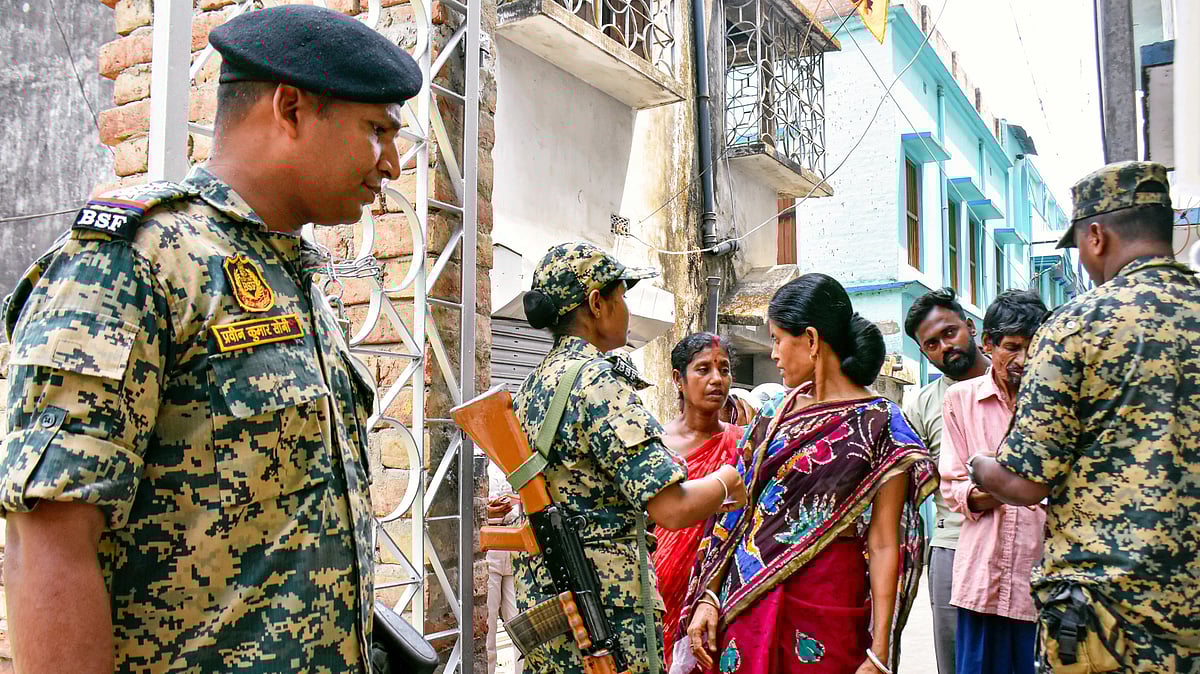
In West Bengal, the first phase of voting covered 152 seats. The day was marked by both high energy and tension. In some areas, like Asansol, a candidate's car was attacked with stones. In Murshidabad, there were reports of crude bombs being thrown and clashes between different political groups. Meanwhile, in Tamil Nadu, the voting was more peaceful, though some voters complained that polling stations were hard to enter for people with disabilities. In Maharashtra, two important by-elections were also held in Baramati and Rahuri following the deaths of sitting local leaders.
Important Numbers and Facts
- West Bengal Turnout: 78.77 per cent by 3 pm.
- Tamil Nadu Turnout: 70 per cent by 3 pm.
- Complaints: Over 600 complaints were filed with the Election Commission in Bengal by midday.
- Weather: Temperatures rose above 40 degrees Celsius in many parts of Bengal, making it difficult for people waiting in long lines.
- Candidates: Over 4,000 candidates are in the race across both states.
Background and Context
West Bengal and Tamil Nadu are two of India's most politically active states. In West Bengal, Chief Minister Mamata Banerjee is trying to win for the fourth time in a row. Her main challenger is the BJP, which wants to take control of the state for the first time. In Tamil Nadu, the fight is mostly between the ruling DMK party, led by M.K. Stalin, and the AIADMK. A new factor this year is the entry of a party led by popular actor Vijay, which is trying to attract younger voters. These elections matter because these states have a big influence on national politics and the economy.
Public or Industry Reaction
Political leaders have been very vocal throughout the day. Congress President Mallikarjun Kharge asked voters not to be afraid and to protect the spirit of democracy. On the other hand, some leaders like Kapil Sibal criticized the Election Commission, claiming the process was not being handled well. In Tamil Nadu, the actor-turned-politician Vijay asked for voting hours to be extended because the process was moving slowly at some booths. Many voters expressed frustration over broken voting machines, known as EVMs, which caused long delays in the heat.
What This Means Going Forward
The high turnout suggests that the final results could be very close. In West Bengal, the violence in the first phase might lead to even tighter security in the upcoming voting rounds. For Tamil Nadu, the single-phase vote is now over, and the focus shifts to the counting day. Political experts will be watching to see if the new parties can actually win seats or if the traditional big parties will stay in power. The main worry for officials remains the safety of voters and ensuring that technical glitches do not stop people from voting in the next phases.
Final Take
The 2026 elections show that the Indian public remains deeply committed to the voting process. Even with extreme heat and reports of local clashes, millions of people stood in line to cast their ballots. While the high turnout is a good sign for democracy, the reports of violence and machine failures highlight the challenges that still exist in running such a massive operation. All eyes are now on the remaining phases in Bengal and the final count on May 4.
Frequently Asked Questions
When will the election results be announced?
The counting of votes for both West Bengal and Tamil Nadu is scheduled to take place on May 4, 2026.
Why was there violence in West Bengal?
Clashes broke out between rival political groups in some districts, leading to reports of stone-pelting and the use of crude bombs. Security forces had to step in to control the situation.
What was the voter turnout in Tamil Nadu?
By 3 pm on election day, Tamil Nadu recorded a strong voter turnout of 70 per cent across its 234 constituencies.

