
Summary
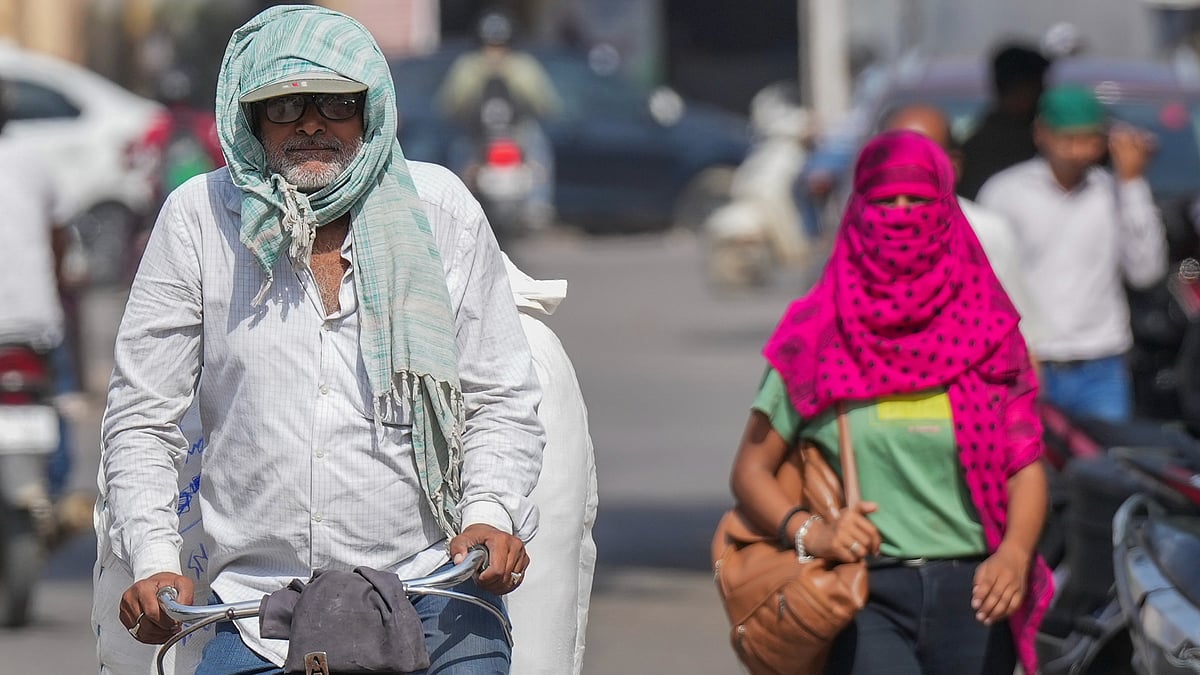
India is currently facing a severe weather crisis as extreme heat spreads across the country. Recent data shows that 95 out of the 100 hottest cities in the entire world are located in India. This massive heatwave is affecting millions of people, making daily life difficult and dangerous. The high temperatures are not just limited to one area but are covering large parts of central and northern India, showing how widespread the problem has become.
Main Impact
The impact of this heatwave is felt in almost every part of daily life. When 95% of the world's hottest places are in a single country, it creates a national emergency. People who work outdoors, such as construction workers and farmers, are at the highest risk. The extreme heat makes it hard for the body to cool down, leading to exhaustion and other health problems. It also puts a heavy load on the power grid as people try to use fans and cooling systems to stay safe.
This situation also affects the economy. High temperatures can damage crops and reduce the amount of work people can do during the day. In many cities, the streets become empty in the afternoon because it is simply too hot to be outside. This trend shows that extreme weather is no longer a rare event but a regular challenge that the country must face every year.
Key Details
What Happened
On April 24, real-time temperature data showed a shocking trend. According to rankings from AQI.in, nearly all of the hottest spots on Earth were found within India's borders. The data was recorded at 5:00 pm, a time when daytime heat is often at its peak. While other parts of the world are also warm, the intensity of the heat in India has far surpassed other regions. This is not just a local spike; it is a massive weather event covering thousands of miles.
Important Numbers and Facts
The numbers tell a worrying story. In dozens of cities, the temperature has gone well above 40 degrees Celsius. In some specific locations, the mercury is getting very close to 45 degrees Celsius. Several states are seeing the worst of this heat. These include Maharashtra, Telangana, Madhya Pradesh, Uttar Pradesh, and Odisha. These states are home to hundreds of millions of people who are now living through these extreme conditions. Unlike some heatwaves that only last a few hours, these high temperatures are staying high even as the sun goes down.
Background and Context
There are several reasons why India is getting so hot right now. Weather experts say that dry winds are blowing across the land, and there are no clouds to block the sun. Usually, there is some rain before the monsoon season starts, but this year, that rain has been delayed. This lack of moisture means the ground and the air just keep getting hotter every day.
In big cities, the problem is even worse because of something called the "urban heat island effect." This happens when buildings, roads, and concrete soak up the sun's heat during the day and release it at night. Because there are fewer trees and parks in these cities, the heat has nowhere to go. This makes the nights feel very warm, which prevents the body from recovering from the daytime heat.
Public or Industry Reaction
The India Meteorological Department (IMD) has been busy issuing warnings to the public. They have told people to stay indoors during the hottest parts of the day and to drink plenty of water. Health experts are particularly worried about children and the elderly, who can get sick very quickly in this kind of weather. Many local governments are setting up "cool centers" or providing water stations in public places to help those who have to be outside.
Environmental groups are also speaking out. They point to this heatwave as proof that the climate is changing. They are calling for more trees to be planted in cities and for better planning to protect people from extreme weather. There is a growing sense of worry that these heatwaves are becoming longer and more intense every year.
What This Means Going Forward
Looking ahead, there might be a little bit of relief soon. Some weather forecasts suggest that thunderstorms could hit parts of eastern and northeastern India. These storms might bring some rain and wind to cool things down for a short time. However, this will not be a permanent fix. Experts say that the heat will likely stay high until the main monsoon rains arrive later in the year.
In the long term, this event shows that India needs to prepare for a hotter future. This means building houses that stay cool naturally, improving water supplies, and making sure the power grid can handle the high demand for cooling. Scientists believe that as global temperatures rise, these kinds of heatwaves will happen more often and cover even more cities.
Final Take
The fact that India holds 95 of the 100 hottest spots on Earth is a serious wake-up call. It highlights the immediate danger of rising temperatures and the need for better protection for the public. While everyone hopes for the cooling rains of the monsoon, the current crisis shows that managing extreme heat must become a top priority for the entire country.
Frequently Asked Questions
Why are so many Indian cities on the hottest list?
A combination of dry winds, clear skies, and a delay in early summer rains has caused temperatures to spike. Additionally, many cities have a lot of concrete and few trees, which traps heat.
Which states in India are the hottest right now?
The states of Maharashtra, Telangana, Madhya Pradesh, Uttar Pradesh, and Odisha are currently seeing the highest temperatures in the country.
When will the heatwave end?
While some areas might see temporary relief from local thunderstorms, a significant drop in temperature is not expected until the monsoon season begins and spreads across the country.

