
Summary
India has officially dismissed recent statements made by Pakistan regarding a banned terrorist organization, calling the remarks a collection of lies. The Indian government described the claims as "frivolous narratives" intended to mislead the international community. This strong response highlights the ongoing tension between the two nations over security issues and cross-border activities. India remains firm in its position that Pakistan must take concrete action against terror groups operating from its soil before any diplomatic progress can be made.
Main Impact
The main impact of this development is the further hardening of India’s diplomatic stance against its neighbor. By publicly calling out Pakistan’s statements as false, India is signaling to global leaders that it will not accept attempts to shift blame or hide the facts about terrorism. This exchange makes it clear that the relationship between the two countries remains frozen. It also puts pressure on international organizations to look closely at how banned groups are managed in the region.
Key Details
What Happened
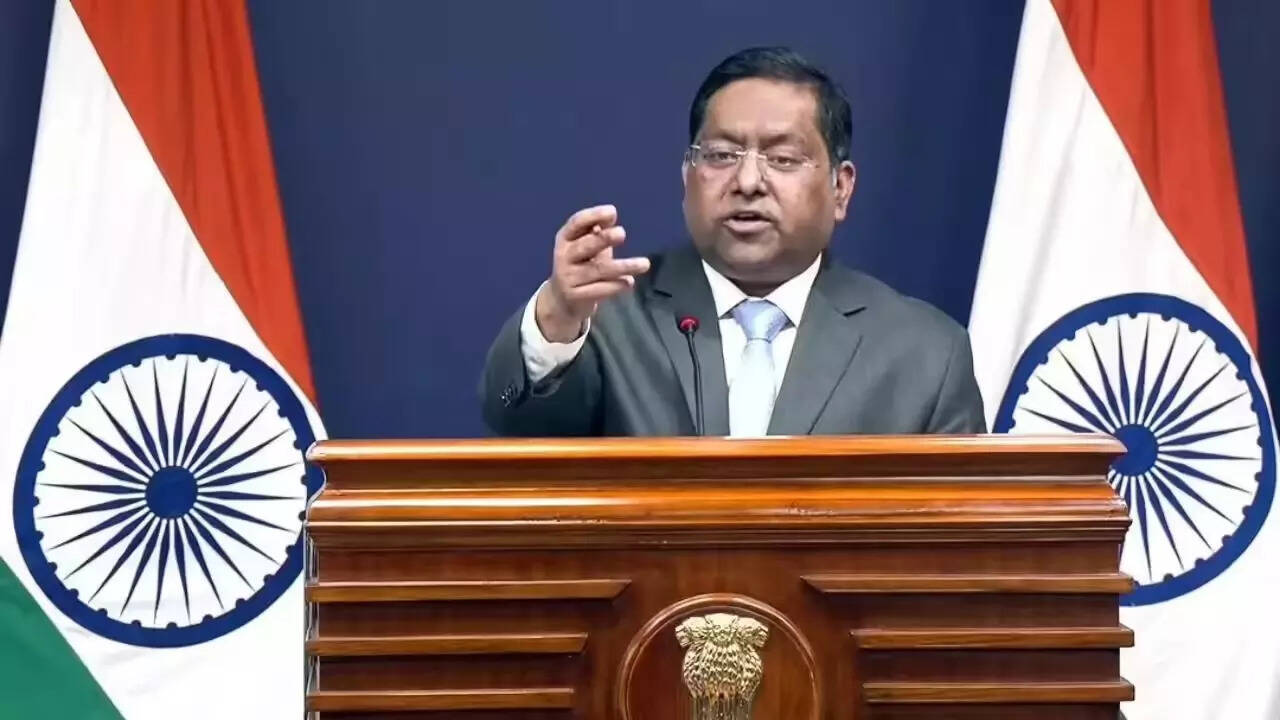
The Ministry of External Affairs in India issued a sharp rebuttal following comments from Pakistani officials. Pakistan had reportedly made claims that attempted to defend or deflect attention away from a group that is officially banned due to its involvement in violent activities. India responded by stating that Pakistan is known for spreading misinformation to cover up its own record. The Indian government emphasized that instead of making excuses, Pakistan should focus on dismantling the infrastructure that supports these banned organizations.
Important Numbers and Facts
The dispute involves organizations that have been blacklisted by the United Nations Security Council. India has frequently shared evidence with global bodies regarding the locations and leaders of these groups. Over the years, India has maintained a list of several dozen individuals and entities that it says are protected within Pakistan. Recent reports show that despite international pressure, many of these groups continue to find ways to operate under different names or through various front organizations.
Background and Context
This conflict is part of a much larger and older disagreement between India and Pakistan. For many years, India has accused Pakistan of using "proxy" groups to carry out attacks on Indian soil. These groups are often banned by the international community, but India argues they still receive support or are allowed to exist within Pakistan's borders. Pakistan often denies these claims and tries to present itself as a victim of terrorism rather than a supporter of it. This back-and-forth has led to a complete stop in formal peace talks for several years.
The role of the Financial Action Task Force (FATF) is also important here. The FATF is a global group that monitors how countries stop money from reaching terrorists. Pakistan has spent a lot of time trying to stay off the FATF "grey list," which is a list of countries that are not doing enough to stop terror funding. India’s latest statement is a reminder that, in its view, Pakistan has not done enough to earn the trust of the world.
Public or Industry Reaction
Security experts in India have praised the government's quick and direct response. Many believe that being polite in diplomacy has not worked in the past, so a blunt approach is necessary. On social media, many Indian citizens expressed support for the government, calling for continued pressure on Pakistan. Meanwhile, international observers note that these verbal clashes are becoming more frequent, which suggests that neither side is ready to sit down and talk anytime soon. Some analysts worry that this constant friction makes it harder to solve other regional problems, like trade and climate change.
What This Means Going Forward
Looking ahead, it is unlikely that we will see a breakthrough in India-Pakistan relations in the near future. India has made it a strict rule that "terror and talks cannot go together." This means that as long as India feels Pakistan is protecting banned groups, it will refuse to engage in high-level meetings. We can expect India to continue bringing up this issue at major international events, such as the United Nations General Assembly. Pakistan will likely continue to deny the charges, leading to a cycle of accusations that keeps the border region tense and the diplomatic channels closed.
Final Take
The latest rejection of Pakistan's claims shows that India is committed to a policy of calling out what it sees as dishonesty on the global stage. By using strong language like "peddling lies," India is making sure the world does not forget the core issues that prevent peace in South Asia. True change will only happen when there is a visible and permanent end to the activities of banned groups. Until then, these diplomatic battles will remain a regular part of the relationship between the two neighbors.
Frequently Asked Questions
Why did India reject Pakistan's remarks?
India rejected the remarks because it believes Pakistan is spreading false stories to hide its support for banned terrorist groups and to mislead other countries.
What are "frivolous narratives"?
In this context, it refers to claims or stories that are not based on facts and are considered silly or unimportant by the Indian government because they ignore the reality of the situation.
Will this lead to talks between the two countries?
No, this exchange actually shows that talks are unlikely. India has stated that it will not have discussions with Pakistan until there is a complete end to cross-border terrorism.



