
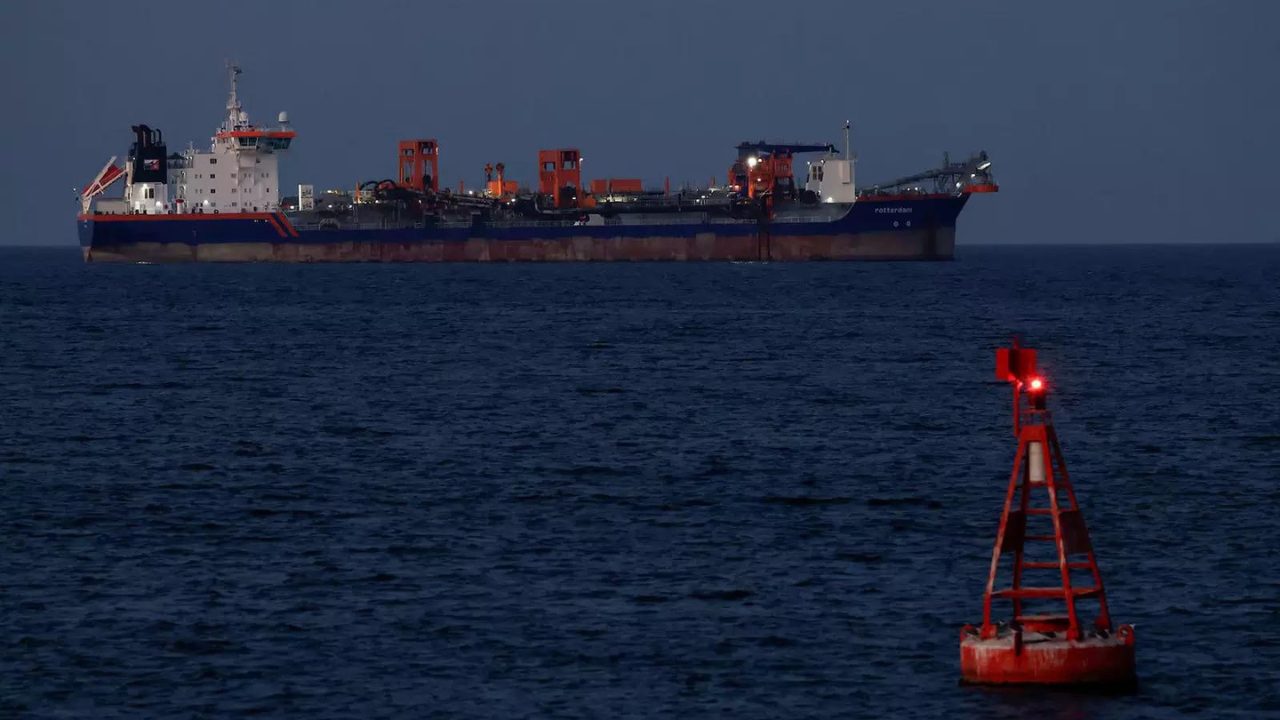
Summary
The Indian government has officially dismissed reports claiming that Iran sought a deal involving seized oil tankers. These reports suggested that Iran offered safe passage for Indian ships through the Strait of Hormuz if India returned three of its tankers. Government officials have called these claims completely "baseless" and clarified that no such negotiation is taking place. This statement aims to clear up confusion regarding maritime security and international relations between the two nations.
Main Impact
This denial from the Indian government is important because it maintains the country's stance on international law. By calling the reports false, India is signaling that it does not engage in "quid pro quo" deals when it comes to legal matters or maritime safety. If the reports were true, it would suggest that international shipping routes are being used as bargaining chips. The government’s quick response helps prevent diplomatic tension and ensures that shipping companies feel secure about the rules of the sea.
Key Details
What Happened
A series of reports recently began circulating, suggesting a secret negotiation between New Delhi and Tehran. The core of the rumor was that Iran was worried about three of its oil tankers that had been seized by Indian authorities. To get them back, the reports claimed Iran offered a "safe passage" guarantee for all Indian-flagged vessels moving through the Strait of Hormuz. The Strait of Hormuz is one of the most sensitive and important water passages in the world for oil transport. However, the Indian Centre has rejected this narrative entirely, stating that the legal status of the tankers and the safety of the shipping lanes are two separate issues.
Important Numbers and Facts
The reports focused on three specific Iranian tankers. These vessels were reportedly detained due to various legal or technical reasons, which often include issues like insurance, environmental safety, or international sanctions. The Strait of Hormuz, mentioned in the rumors, is a narrow waterway where about 20% of the world's total oil consumption passes every day. Because so much oil travels through this area, any threat to "safe passage" can cause global oil prices to rise quickly. India relies heavily on this route for its energy needs, making any news about its security very sensitive for the national economy.
Background and Context
To understand why this matters, one must look at how international shipping works. When a country seizes a ship, it is usually because the ship broke a law or did not have the right paperwork. These cases are typically handled in courts. On the other hand, the Strait of Hormuz is a global shipping lane that should be open to everyone under international maritime rules. In the past, there have been tensions in the Middle East that led to ships being stopped or harassed in this area. Because India buys a large amount of crude oil from the Middle East, the safety of its tankers is a top priority for the government. Rumors of a "trade-off" suggest that the normal rules of the sea are being replaced by private deals, which is why the government was so quick to deny the story.
Public or Industry Reaction
The shipping industry and diplomatic experts have been watching this situation closely. Many experts noted that a deal of this nature would be highly unusual for India, which usually follows strict legal protocols. Within India, the reaction has been one of caution. Industry leaders in the oil and gas sector want to ensure that supply lines remain open without getting caught in political disputes. By dismissing the report as baseless, the government has calmed fears that Indian ships might be targeted if a deal was not reached. International observers also see this as a sign that India intends to keep its diplomatic and legal processes transparent.
What This Means Going Forward
Moving forward, the three seized tankers will likely remain under the control of Indian authorities until their legal issues are resolved through the proper channels. India and Iran will continue to talk about trade and energy, but these discussions will stay separate from the legal status of detained ships. The Indian Navy and Coast Guard will likely continue their patrols to ensure that Indian merchant ships stay safe in international waters. This situation also highlights the need for clear communication between countries to prevent rumors from affecting global trade or diplomatic trust.
Final Take
The government's firm rejection of these reports shows a commitment to standard international procedures. By refusing to acknowledge the rumored deal, India is protecting its reputation as a fair player in global maritime affairs. It sends a clear message that safety in international waters should not be used as a tool for negotiation in legal disputes.
Frequently Asked Questions
Why were the Iranian tankers seized by India?
While specific details vary for each ship, tankers are usually seized due to legal disputes, lack of proper insurance, or failure to meet international safety and environmental standards.
What is the Strait of Hormuz?
It is a narrow and vital waterway between the Persian Gulf and the Gulf of Oman. It is the primary route for oil exports from the Middle East to the rest of the world.
Did India agree to any deal with Iran?
No. The Indian government has officially stated that the reports of a deal involving the release of tankers for safe passage are completely baseless and false.



