
Summary
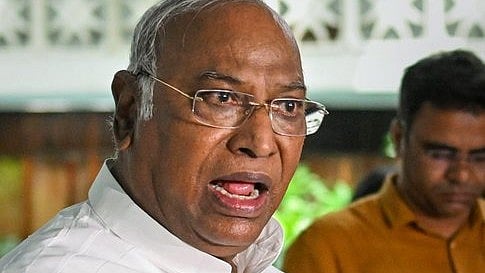
Congress president Mallikarjun Kharge has accused the Modi government of surrendering India's interests to China after the 2020 Galwan clash. He pointed to rising imports from China in critical sectors like pharmaceuticals, electric vehicles, and solar energy. Kharge said India's trade deficit with China has grown to over $112 billion. The allegations come six years after 20 Indian soldiers died in the Galwan Valley conflict.
Main Impact
Kharge's statement highlights a growing concern about India's economic dependence on China despite border tensions. He claimed that imports from China have increased by more than 100% since 2020. This dependence covers key industries that are vital for India's future growth, including healthcare, clean energy, and technology. The Congress leader said the government has failed to reduce reliance on Chinese supplies even after the deadly clash.
Key Details
What Happened
On July 9, 2026, Mallikarjun Kharge posted a detailed criticism on social media platform X. He cited a media report showing India's continued heavy reliance on Chinese imports. Kharge said the Modi government gave China a "clean chit" after the Galwan incident and has since allowed Beijing to dominate India's strategic industries.
Important Numbers and Facts
Kharge provided several specific figures to support his claims. India's imports from China rose by 101.81% by 2025-26, pushing the trade deficit to $112.1 billion. China supplies 86% of India's antibiotic imports and nearly 74% of active pharmaceutical ingredients and bulk drugs. In the electric vehicle sector, 66% of component imports come from China. India also imports 93% of its permanent magnets and over 99% of undiffused silicon wafers from China. The silicon wafers are a key material for making solar cells.
Background and Context
The Galwan Valley clash in June 2020 was a violent border confrontation between Indian and Chinese soldiers. Twenty Indian troops were killed in the fighting. Since then, relations between the two countries have remained tense, with ongoing disputes along the Line of Actual Control. Despite this, trade between India and China has grown significantly. Critics say the government has not done enough to reduce dependence on Chinese goods in critical sectors. The issue is politically sensitive because it involves national security and economic sovereignty.
Public or Industry Reaction
Kharge's comments have sparked debate among political circles and industry experts. Some analysts agree that India's reliance on Chinese imports in strategic sectors is a risk. Others argue that reducing dependence takes time and requires building domestic manufacturing capacity. The central government and the Bharatiya Janata Party have not yet responded to Kharge's allegations. The Congress party has used this issue to criticize the Modi government's handling of foreign policy and trade.
What This Means Going Forward
The growing trade deficit and dependence on Chinese imports raise questions about India's economic security. If tensions with China escalate again, India could face supply shortages in critical areas like medicines and energy components. The government may need to take stronger steps to boost local production and find alternative suppliers. Kharge's accusations also put pressure on the ruling party ahead of future elections. The issue of national security and economic independence is likely to remain a key political topic.
Final Take
Kharge's statement underscores a real challenge for India: balancing trade with a powerful neighbor while protecting national interests. The numbers he shared show that India's economic ties with China have deepened even after a deadly border clash. Whether the government can reduce this dependence without hurting the economy will be a major test. The debate over China's role in India's critical sectors is far from over.
Frequently Asked Questions
What did Mallikarjun Kharge say about China and India?
Kharge accused the Modi government of surrendering India's interests to China after the Galwan clash. He said India's imports from China have risen sharply, especially in critical sectors like pharmaceuticals, electric vehicles, and solar energy.
How much has India's trade deficit with China grown?
According to Kharge, India's trade deficit with China reached $112.1 billion by 2025-26. He said imports from China increased by 101.81% since the Galwan clash in 2020.
Why is India's dependence on Chinese imports a concern?
India relies heavily on China for key products like antibiotics, EV components, and solar cell materials. This dependence creates a risk if border tensions rise again, as supply disruptions could hurt critical industries and national security.

