Summary
India has officially supported a United Nations Security Council (UNSC) resolution that strongly criticizes Iran for its recent military strikes on neighboring Gulf countries. The resolution received 13 votes in favor, highlighting a broad international agreement on the need for peace in the region. This move by India signals a firm stance against actions that threaten civilian safety and global trade routes. The resolution specifically calls for an immediate end to attacks on non-military areas and demands that shipping lanes remain safe for international commerce.
Main Impact
The primary impact of this resolution is the increased diplomatic pressure on Iran to stop its military activities against regional neighbors like Saudi Arabia and the United Arab Emirates (UAE). By joining the majority, India has shown that it prioritizes regional stability over its traditional neutral stance. This is significant because the Middle East is a major source of energy for the world. Any disruption in this area can lead to higher oil prices and economic trouble globally. India’s support helps build a stronger international front against actions that put the global economy and human lives at risk.
Key Details
What Happened
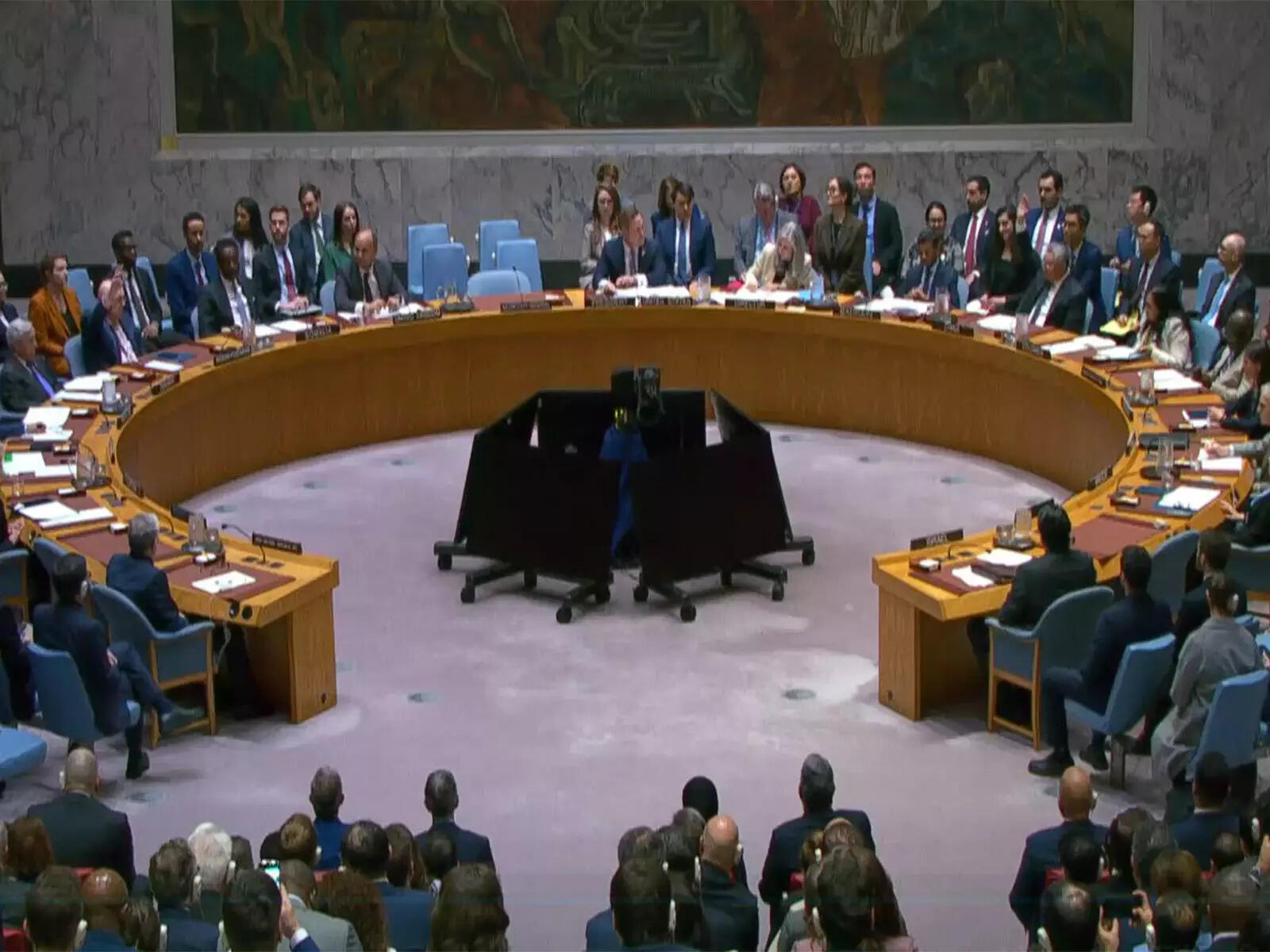
The United Nations Security Council met to discuss the growing tension in the Middle East following a series of drone and missile strikes. These attacks targeted locations within Saudi Arabia and the UAE, causing concern among world leaders. The resolution was drafted to send a clear message that such violence is not acceptable under international law. While 13 countries voted to pass the resolution, two major powers, Russia and China, chose not to vote either way. This split shows a divide in how the world’s most powerful nations view the conflict in the Middle East.
Important Numbers and Facts
The vote concluded with 13 members in favor and zero votes against, but with two key abstentions. The resolution focuses on two main areas: the protection of civilian infrastructure and the security of maritime trade. Millions of barrels of oil pass through the Gulf every day, making it one of the most important water passages in the world. The strikes mentioned in the resolution have raised fears that shipping insurance costs will rise, which eventually makes everyday goods more expensive for people everywhere. India’s decision to vote "yes" is a clear indication of its concern for the millions of Indian citizens living and working in the Gulf region.
Background and Context
To understand why this matters, one must look at India's relationship with the Middle East. India maintains strong ties with both Iran and the Arab nations. However, the safety of the Gulf is a top priority for the Indian government. Over eight million Indians live in Gulf countries, sending billions of dollars back home every year. Furthermore, India relies heavily on this region for its crude oil and gas needs. When missiles or drones target these countries, it puts Indian lives and India's energy security at risk. In the past, India has often tried to stay neutral in Middle Eastern conflicts, but the direct threat to trade and civilian safety has pushed the country to take a more active role at the UN.
Public or Industry Reaction
The reaction to the resolution has been mixed across the globe. Iran has dismissed the UN's move, calling the resolution "unjust" and "one-sided." Iranian officials argue that the text does not take into account their own security concerns. On the other hand, officials in Saudi Arabia and the UAE have welcomed the support from the international community, stating that it validates their right to defend their borders. China and Russia explained their decision to abstain by saying the resolution was biased and could make the situation worse instead of better. Business leaders in the shipping and energy sectors have expressed relief that the UN is taking a stand, as they hope it will lead to better protection for cargo ships in the region.
What This Means Going Forward
Moving forward, the situation remains tense. While the resolution is a strong symbolic gesture, it does not include immediate penalties or military action. The next steps will likely involve more diplomatic talks to see if Iran will comply with the UN's demands. If the attacks continue, the Security Council may consider tougher measures, such as economic sanctions. For India, this vote marks a more vocal approach to foreign policy. It shows that India is willing to stand with global partners to protect its economic interests and the safety of its people abroad. The world will be watching closely to see if this collective pressure leads to a reduction in violence or if the regional divide deepens.
Final Take
India’s decision to back the UNSC resolution is a calculated move to protect its own national interests while supporting international peace. By calling for an end to strikes on civilians and trade routes, India is emphasizing that global stability is more important than individual political disputes. As the situation in the Middle East continues to change, the unity shown by the 13 voting members will be a key factor in determining whether the region can find a path back to safety and cooperation.
Frequently Asked Questions
Why did India support the resolution against Iran?
India supported the resolution to protect its energy security, the safety of millions of Indian workers in the Gulf, and the stability of international trade routes that are vital for its economy.
Which countries did not vote for the resolution?
Russia and China chose to abstain from the vote. They argued that the resolution was biased and did not offer a balanced view of the conflict in the region.
What are the main demands of the UN resolution?
The resolution demands an immediate stop to military strikes on civilian areas and calls for an end to any interference with ships traveling through international trade routes in the Gulf.