
Summary
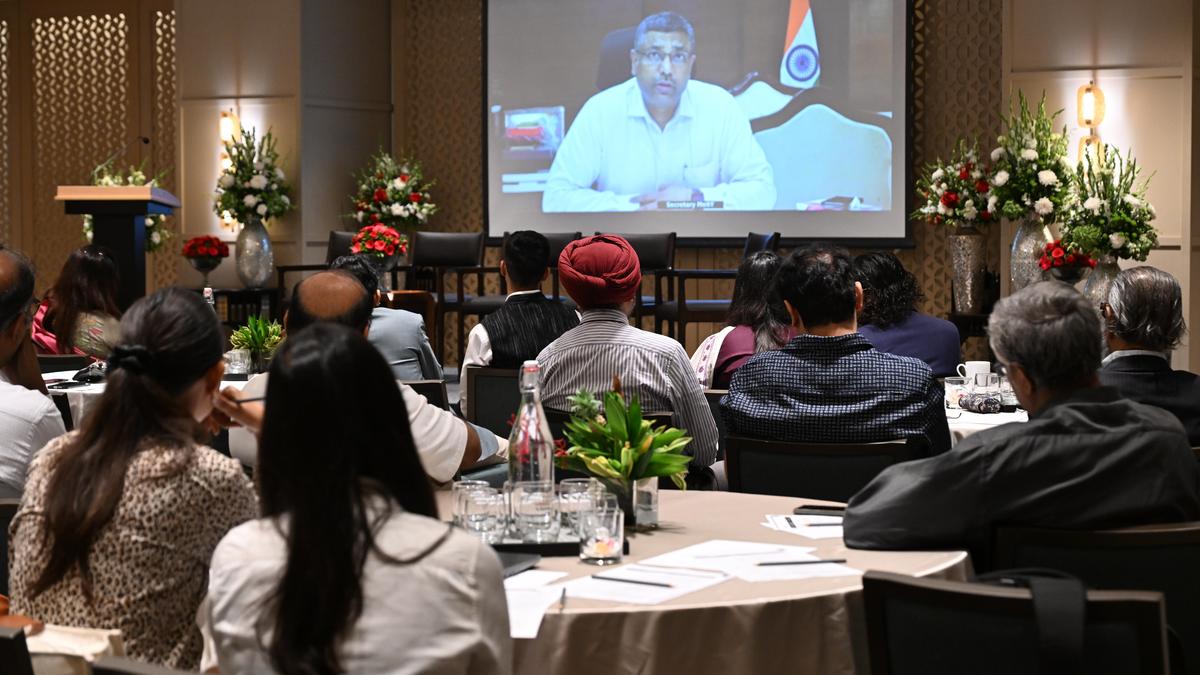
The Indian government is currently in discussions with the artificial intelligence company Anthropic. These talks focus on safety concerns regarding the company’s latest AI release, known as Mythos. S. Krishnan, the Secretary of the Ministry of Electronics and Information Technology (MeitY), stated that the impact of AI on cybersecurity has become a serious danger. He noted that the arrival of Mythos has turned theoretical worries into actual, urgent problems that the government must address to protect digital safety.
Main Impact
The primary impact of this development is a shift in how the Indian government views high-end AI tools. Previously, many risks were seen as things that might happen in the future. Now, officials believe these risks are happening today. The release of Mythos has forced a direct conversation about how advanced software can be used to harm computer systems. This could lead to stricter rules for AI companies wanting to operate within India, as the government seeks to prevent AI-driven cyberattacks before they cause widespread damage.
Key Details
What Happened
S. Krishnan, a top official at MeitY, recently spoke about the changing world of digital security. He specifically pointed to Anthropic’s Mythos as a turning point. The government is not just watching from a distance; they are actively speaking with the creators of the software. The goal is to understand the inner workings of the AI and ensure it cannot be easily used by bad actors to break into secure networks or steal sensitive data.
Important Numbers and Facts
While specific technical data from the private meetings remains confidential, the government has made several points clear. MeitY is the lead agency for these talks, representing India's digital interests. Anthropic is one of the world's largest AI developers, making this a high-level international dialogue. The government’s focus is on "very real terms," meaning they are looking at specific ways the AI can be misused, rather than general fears. These discussions are part of a larger effort to update India's IT laws to include modern AI technologies.
Background and Context
Artificial intelligence has grown very quickly over the last few years. Companies like Anthropic create models that can write text, solve math problems, and even write computer code. While these tools are helpful for students and workers, they also have a dark side. For example, a person with bad intentions could use AI to write a virus or a phishing email that looks perfectly natural. This makes it much harder for traditional security software to catch threats.
In the past, hacking required a high level of skill and a lot of time. With new models like Mythos, some of that work can be automated. This lowers the bar for cybercriminals. The Indian government is worried that if these tools are not built with strong safety "guardrails," they could be used to attack banks, power grids, or government databases. This is why MeitY is stepping in to talk to developers early in the process.
Public or Industry Reaction
The tech industry is watching these talks closely. Some experts believe that the government is doing the right thing by being proactive. They argue that AI companies often move too fast and do not think enough about safety. On the other hand, some tech enthusiasts worry that too much government interference could slow down innovation. They fear that if India makes the rules too tough, companies might delay releasing their best tools in the country.
Cybersecurity professionals have generally welcomed the news. Many have reported a rise in AI-generated scams over the past year. For them, the government’s focus on Mythos is a sign that leaders are finally taking the digital threat seriously. They hope these talks will lead to a standard set of safety rules that all AI companies must follow.
What This Means Going Forward
Moving forward, we can expect more transparency from AI developers. The Indian government is likely to ask for more details on how these models are trained and what steps are taken to prevent misuse. This could result in a new framework for "AI auditing," where independent experts check a model for safety before it is released to the public.
There is also the possibility of new laws. The Digital India Act is currently being discussed, and it will likely include specific sections on AI accountability. If the talks with Anthropic go well, they could serve as a model for how the government handles other AI giants like OpenAI or Google. The main goal is to ensure that as technology gets smarter, the country’s defenses get stronger at the same time.
Final Take
The dialogue between the Indian government and Anthropic shows that the era of "wait and see" is over for AI regulation. By identifying Mythos as a specific concern, officials are sending a clear message: technology must be safe before it is widespread. Protecting the digital borders of the country is now just as important as protecting physical ones. As AI continues to change how we live, the cooperation between government and tech creators will be the most important factor in keeping the internet safe for everyone.
Frequently Asked Questions
What is Mythos?
Mythos is a new artificial intelligence model released by the company Anthropic. It is designed with advanced capabilities that have raised concerns about its potential use in cyberattacks.
Why is the Indian government worried about AI?
The government is concerned that advanced AI can be used to create sophisticated malware, automate hacking, and generate convincing scams, which poses a threat to national and personal security.
What is MeitY?
MeitY stands for the Ministry of Electronics and Information Technology. It is the branch of the Indian government responsible for IT policy, strategy, and the development of the electronics industry.



