
Summary
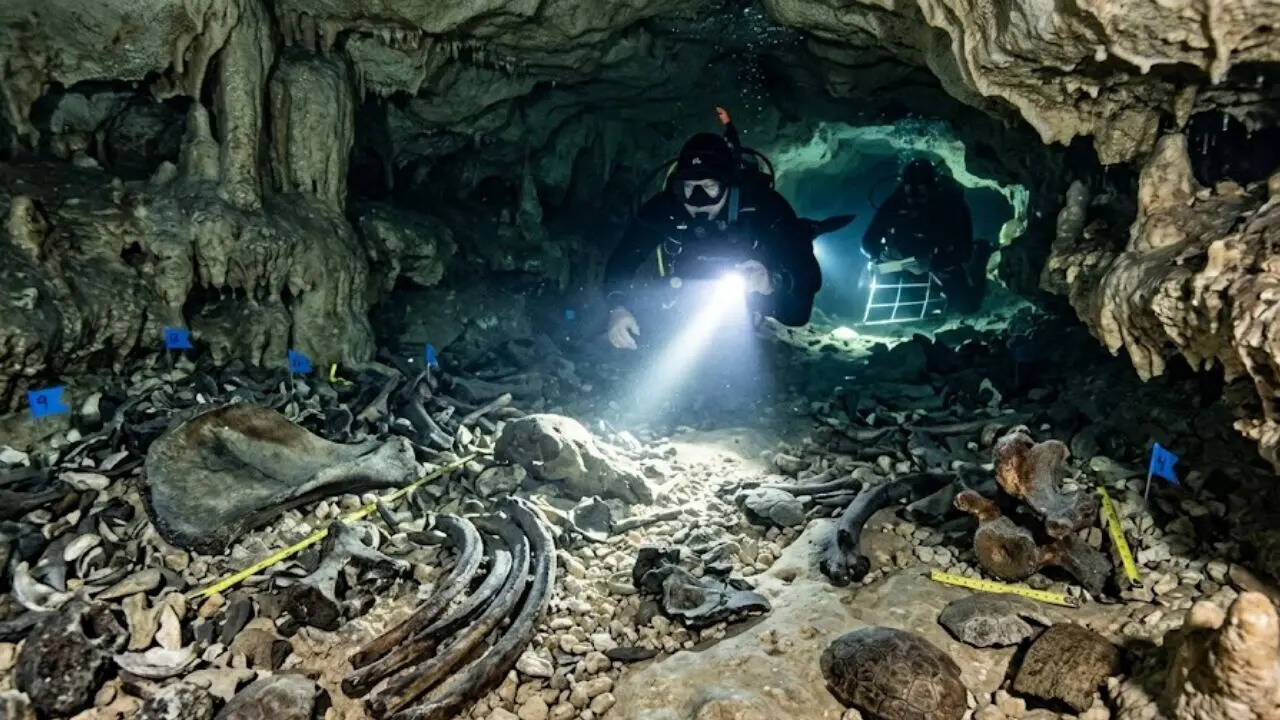
Researchers in Texas have uncovered a rare collection of fossils inside a deep cave that could change our understanding of the Ice Age. These ancient remains belong to animals that lived tens of thousands of years ago when the Earth was much colder. By studying these bones, scientists are learning new details about how the climate shifted in the past. This discovery is important because it provides a clear record of how wildlife reacted to natural global warming and cooling cycles long before humans recorded the weather.
Main Impact
The discovery of these fossils has a major impact on the field of paleontology and climate science. For years, experts have debated exactly how fast the climate changed at the end of the last Ice Age. These fossils act as a biological library, showing which animals survived and which ones disappeared as temperatures rose. The findings suggest that the Texas environment was once a lush, cool area that supported a much wider variety of life than it does today. This helps modern scientists create better models to predict how current climate trends might affect animals in the future.
Key Details
What Happened
A team of researchers and cave experts found the fossil site during a planned exploration of a cave system in Central Texas. Unlike fossils found on the surface, these remains were protected from the sun, wind, and rain for thousands of years. The cave acted like a natural refrigerator, keeping the bones in excellent condition. The team found layers of soil that contained bones from different time periods, allowing them to see a timeline of history stacked on top of itself. They used small tools and brushes to carefully remove the bones without breaking them.
Important Numbers and Facts
The fossils are estimated to be between 15,000 and 25,000 years old. This period covers the height of the last Ice Age and the start of the warming period that followed. Among the finds were teeth from ancient horses, bones from tiny shrews, and fragments from larger mammals like mammoths. Scientists found over 50 different species represented in a single small area of the cave. The depth of the sediment layers suggests that animals used this cave as a shelter or fell into it over a span of several thousand years, creating a perfect record of the local ecosystem.
Background and Context
The Ice Age, also known as the Pleistocene epoch, was a time when large parts of the world were covered in ice. While Texas was not covered by glaciers, it was much cooler and wetter than it is now. Caves are some of the best places to find fossils from this time because they stay at a constant temperature and protect items from the elements. In many cases, owls or other predators would bring small animals into the cave, or larger animals would seek shade inside. Over time, dust and dirt covered their bones, sealing them away. Finding a site with so many different types of animals is rare and gives a complete picture of the ancient environment.
Public or Industry Reaction
The scientific community has reacted with great excitement to the news. Many experts believe this site is one of the most significant finds in the region in decades. Local museum officials have expressed interest in displaying the fossils once they are cleaned and studied. People living in the area are also curious about the history beneath their feet. Some environmentalists point out that this discovery shows how sensitive animals are to even small changes in temperature. The high quality of the bones means that researchers might even be able to extract ancient DNA, which would provide even more information about these extinct creatures.
What This Means Going Forward
The next steps involve a process called carbon dating. This is a scientific method used to find the exact age of organic material by measuring the carbon inside it. Researchers will also look at the chemical makeup of the teeth found in the cave. The chemicals in an animal's teeth can tell us what kind of plants it ate and what the water was like when it was alive. This work will take several years to complete. As more data comes in, it will likely lead to new textbooks and a better understanding of the history of the Southern United States. The cave site will remain protected to ensure that no more fossils are damaged by people or the weather.
Final Take
This discovery reminds us that the ground beneath us holds many secrets about the past. By looking at these old bones, we can see a world that looked very different from our own. These fossils are not just pieces of the past; they are tools that help us understand the future of our planet. As we learn more about how the Ice Age ended, we gain valuable knowledge about how to protect the animals and environments we have today.
Frequently Asked Questions
How do fossils end up in caves?
Animals often entered caves for shelter or accidentally fell into openings. Predators like owls also brought small prey into caves. Over thousands of years, dirt covered the bones and preserved them.
Why is this discovery in Texas so important?
Texas has a unique climate history. Finding fossils here helps scientists understand how the weather changed in areas that were near the edge of the great ice sheets during the Ice Age.
What can teeth tell scientists about the past?
Teeth are very hard and last a long time. By analyzing the minerals in teeth, scientists can figure out what the animals ate and how hot or cold the climate was during their lifetime.

