Summary
One year has passed since a massive power outage left the entire Iberian Peninsula without electricity. This anniversary marks a critical point for legal action, as many believed it was the final deadline to file claims for financial losses. However, new government investigations into energy companies have changed the legal situation. While regular citizens face many hurdles, large corporations are now preparing for a major court battle to recover millions in damages.
Main Impact
The primary impact of this development is a shift in who will lead the fight for compensation. Legal experts believe that large industrial companies will be the main players in the upcoming court cases. These businesses have the resources to prove exactly how much money they lost when the lights went out. For the energy companies involved, this means they could face massive payouts if judges find them responsible for the failure.
Key Details
What Happened
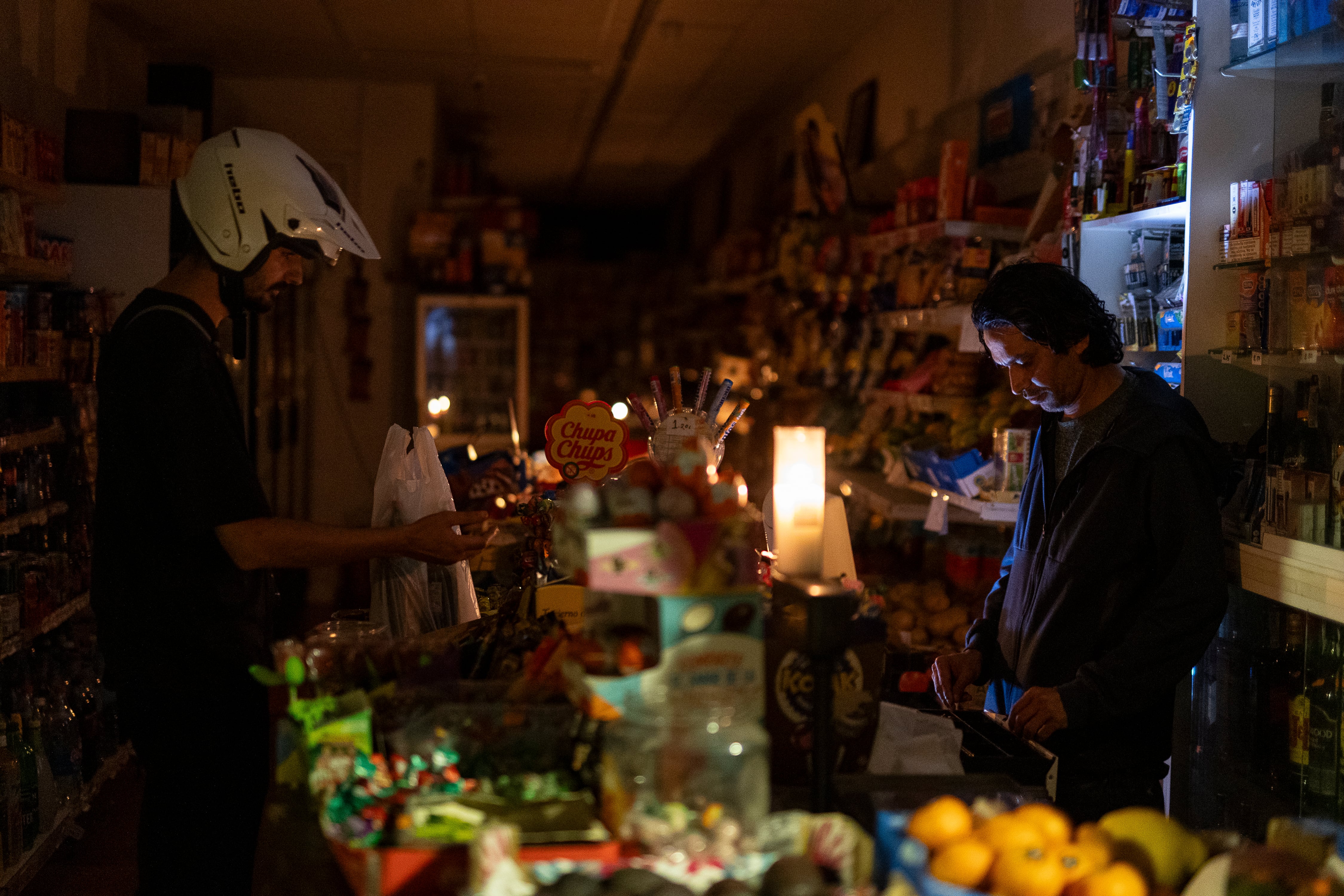
On April 28, 2025, a total blackout hit Spain and Portugal, an event often called a "zero electric" situation. For hours, homes, hospitals, and factories had no power. Since then, the government has been looking for someone to blame. Recently, the National Commission on Markets and Competition (CNMC) started official investigations into Red Eléctrica de España (REE) and several other large energy firms. These investigations look for signs that the companies did not follow the rules or maintain the grid properly.
Important Numbers and Facts
The blackout occurred exactly 365 days ago. Under normal Spanish law, people usually have one year to claim damages for this type of event. However, because the CNMC opened its investigation only a few weeks ago, lawyers are arguing that the clock should restart. This would give victims more time to gather evidence. The companies under investigation include the main manager of the Spanish power grid and several private electricity providers that produce and sell power.
Background and Context
The power grid is a complex system that must always stay balanced. If one part fails, it can cause a chain reaction that shuts down everything. In the Iberian Peninsula, this system is managed by a few very large companies. When the blackout happened a year ago, it caused chaos for the economy. Factories had to stop their machines, which often causes damage to the equipment itself. Shops lost frozen food, and digital businesses lost hours of work. Understanding why this happened is vital for preventing it from happening again and for deciding who should pay for the mess.
Public or Industry Reaction
The reaction from the business world has been firm. Many large companies have already hired specialized lawyers to prepare their cases. They are not just looking for a small refund on their electric bills; they want payment for lost production and broken machinery. On the other hand, consumer groups are worried that regular people will be left out. Experts say it is very hard for a normal household to prove a specific financial loss that is large enough to justify the cost of a lawyer. Because of this, the industry expects the legal fight to be between "giants"—large corporations versus large energy providers.
What This Means Going Forward
The next few months will be focused on the results of the CNMC investigation. If the government finds that the energy companies made mistakes or broke safety rules, it will be much easier for other businesses to win their lawsuits. If the investigation finds no fault, the legal battle will become much harder. We are likely to see years of court hearings. This situation also puts pressure on the government to update the laws regarding power grid reliability and how victims are compensated after a national emergency.
Final Take
This anniversary is not just a reminder of a day in the dark; it is the start of a serious legal conflict. While the average person might not see a check in the mail, the pressure from large corporations could force energy companies to improve their service. The outcome of these court cases will set a standard for how much responsibility energy providers must take when the system fails. For now, the focus remains on the evidence and the official government reports that will decide the future of these claims.
Frequently Asked Questions
Can regular people still claim money for the blackout?
It is possible, but very difficult. Most experts say that unless you can prove a very large and specific financial loss, the cost of going to court might be more than the money you would get back.
Why are large companies more likely to win?
Large companies keep detailed records of their production and costs. They can show exactly how much money they lost every hour the power was off, and they have the money to pay for long legal battles.
Who is being investigated for the power failure?
The main company being looked at is Red Eléctrica de España (REE), which manages the power lines, along with several other major energy companies that provide electricity to the grid.