
Summary
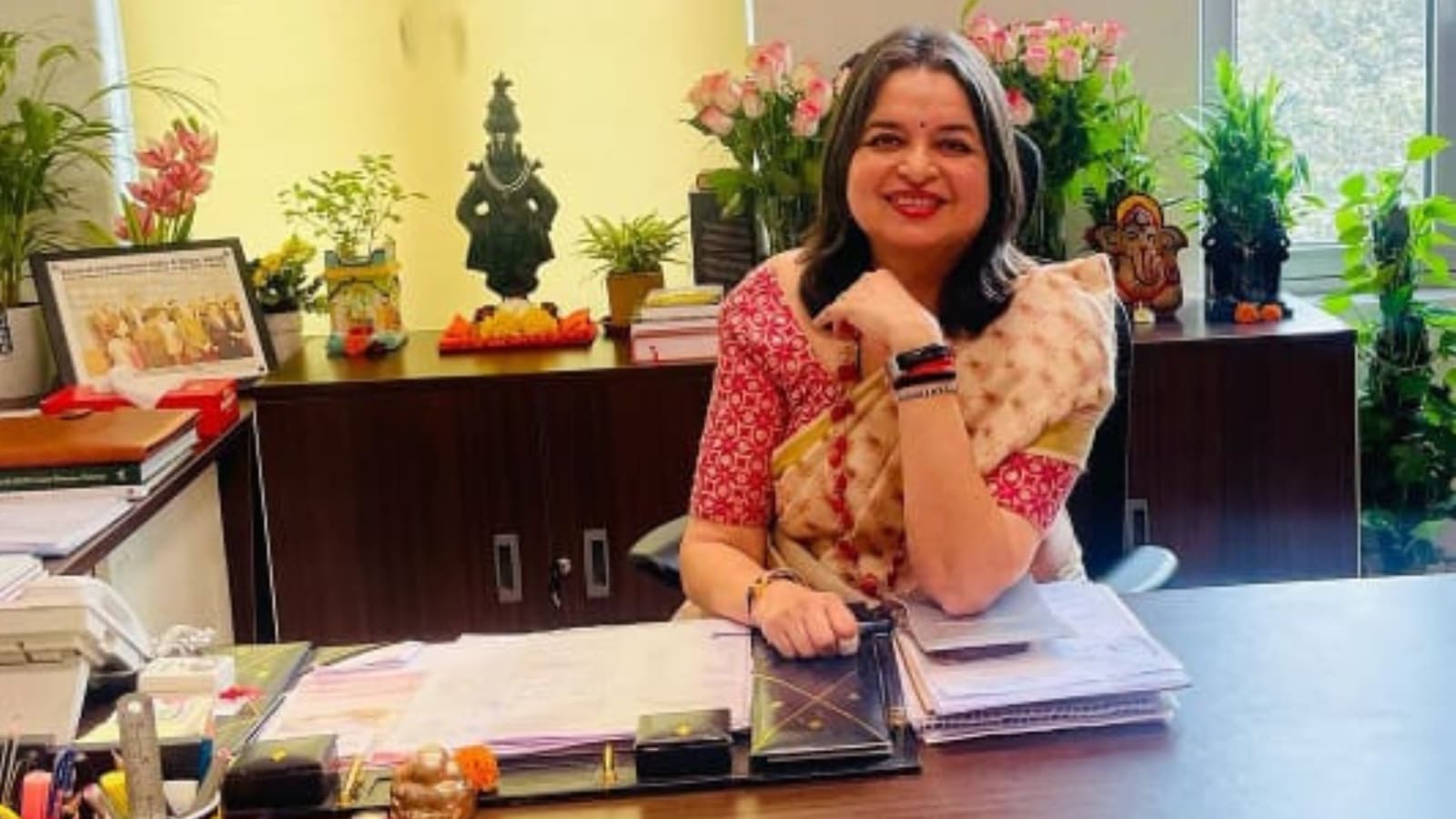
A senior woman officer in the Indian Administrative Service (IAS) recently shared a surprising story about gender bias in the Maharashtra government. Manisha Mhaiskar, a high-ranking official, revealed that a minister in the Mahayuti government once refused to have a woman secretary in his department. This incident highlights the challenges that even the most successful women face when working with political leaders. The story has sparked a fresh conversation about equality and professional respect in high-level government offices.
Main Impact
The main impact of this revelation is the spotlight it shines on deep-seated gender bias within the political system. Despite women holding some of the most important jobs in the state, some leaders still hold outdated views about their abilities. This news shows that being qualified and experienced is sometimes not enough to overcome personal prejudices. It also brings attention to the role of senior leaders who must stand up against such unfair treatment to ensure a fair workplace for everyone.
Key Details
What Happened
During a public event, Manisha Mhaiskar, who serves as the Additional Chief Secretary, spoke about an incident involving her colleague, Valsa Nair Singh. She stated that when Singh was being considered for a position as a department secretary, the minister in charge told the Chief Secretary that he did not want a woman in that role. The minister reportedly asked for a male officer instead, suggesting that a woman might not be able to handle the demands of the department.
The Chief Secretary at the time, Manu Kumar Srivastava, did not give in to the minister's demand. He insisted that the appointment should be based on merit and experience rather than gender. He told the minister that Valsa Nair Singh was the best person for the job and that he should give her a chance to prove her skills.
Important Numbers and Facts
The incident involved two of the most senior women in the Maharashtra administration. Valsa Nair Singh is a 1991-batch IAS officer with decades of experience in various government sectors. Manisha Mhaiskar, who shared the story, is also a highly respected officer from the 1992 batch. The minister's identity was not explicitly named in the public speech, but the comment was directed at the leadership within the current Mahayuti alliance. This alliance consists of several major political parties currently governing the state of Maharashtra.
Background and Context
In India, the Indian Administrative Service (IAS) is the top level of the civil service. Officers in this group manage large departments, handle huge budgets, and help create laws. Over the years, more women have joined the IAS and reached top positions. However, the political side of the government—the ministers who are elected by the people—sometimes has different ideas about who should lead.
Maharashtra has a history of strong women in administration, but the relationship between bureaucrats (the officers) and politicians can be complicated. Ministers often have a say in who becomes their secretary because they must work closely together every day. When a minister rejects an officer based on gender, it creates a difficult situation for the entire administrative system.
Public or Industry Reaction
The reaction to Mhaiskar’s comments has been a mix of shock and support. Many people in the civil services have praised her for being brave enough to speak out about the reality of the job. They argue that if a senior officer faces this, junior women must face even more pressure. On social media, many citizens expressed disappointment that such views still exist in a modern government. They pointed out that women have successfully led departments like finance, home affairs, and health, proving they are more than capable of handling any task.
Some political observers noted that the minister eventually changed his mind. After working with Valsa Nair Singh for some time, he reportedly admitted that she was an excellent officer. While this ended well for the specific officer, critics say that women should not have to work twice as hard just to prove they belong in the room.
What This Means Going Forward
This incident serves as a reminder that policy changes alone are not enough to create equality. Even when laws and rules say men and women are equal, the mindsets of people in power must change too. Going forward, this might lead to more internal discussions within the government about how officers are assigned to departments. It also highlights the importance of strong leadership from the Chief Secretary and other top officials. When they stand up for their colleagues, it sets a standard that bias will not be tolerated. In the future, there may be more calls for gender sensitivity training for elected officials to prevent such situations from happening again.
Final Take
The story shared by Manisha Mhaiskar is a powerful example of the "glass ceiling" that still exists in politics. It shows that while women are making great progress in their careers, they still have to fight against old-fashioned ideas. The fact that the officer eventually won the minister's respect is a victory, but the initial rejection shows there is still a long way to go. Professionalism and skill should always come before gender in any workplace, especially in the government that serves millions of people.
Frequently Asked Questions
Who is Manisha Mhaiskar?
Manisha Mhaiskar is a senior IAS officer from the 1992 batch. She currently serves as the Additional Chief Secretary in the Maharashtra government and is known for her work in various important departments.
What did the minister say about the woman officer?
According to Mhaiskar, the minister told the Chief Secretary that he did not want a woman secretary in his department and preferred a male officer for the role instead.
How did the situation end?
The Chief Secretary refused to change the appointment. The woman officer, Valsa Nair Singh, took the job and performed so well that the minister eventually changed his mind and praised her work.



