
Summary
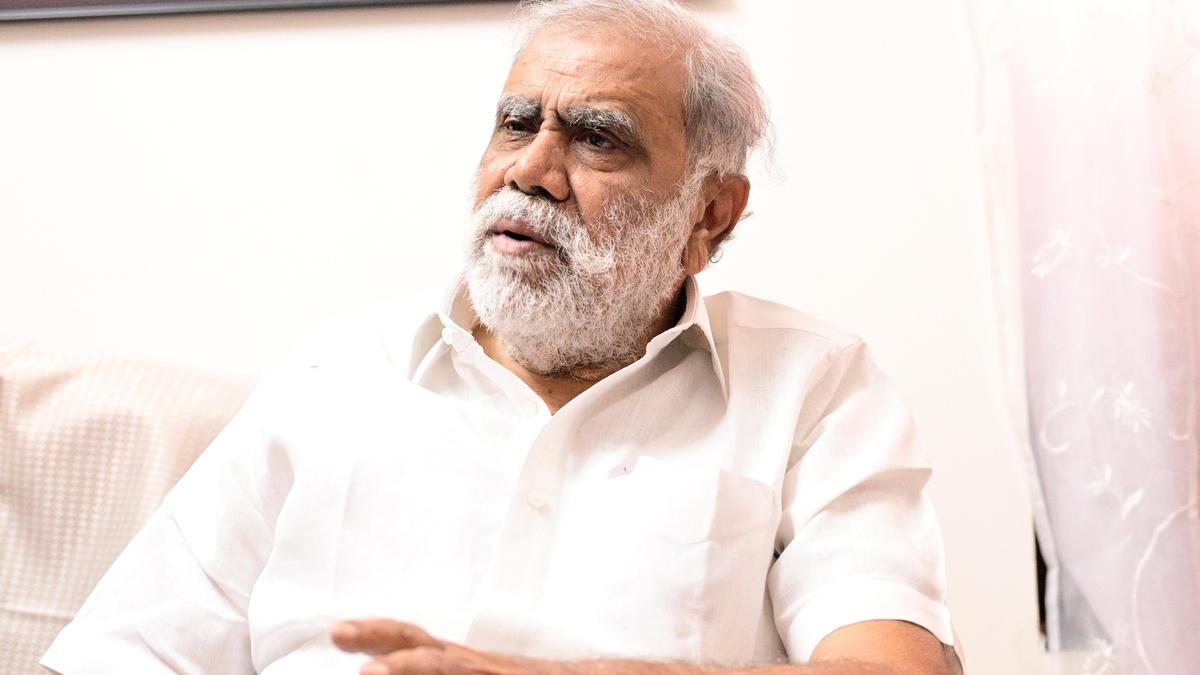
The Madras High Court has officially cancelled a money laundering case against Tamil Nadu Minister I. Periyasamy. This legal battle, which was led by the Enforcement Directorate (ED), had been active since 2020. The court decided to stop the case because the original corruption charges that started the investigation were no longer valid. This ruling provides significant legal relief to the minister and clarifies how money laundering laws should be applied when the main criminal case is dismissed.
Main Impact
This court decision is a major win for Minister I. Periyasamy and the current state government. By stopping the Enforcement Case Information Report (ECIR), the court has effectively ended a long-running investigation that had caused significant political and legal pressure. The most important impact of this ruling is the confirmation of a legal rule: if the primary crime is gone, the money laundering case cannot survive on its own. This helps protect individuals from being stuck in endless legal loops when they have already been cleared of the main accusations.
Key Details
What Happened
The case was heard by a bench consisting of Chief Justice Sushrut Arvind Dharmadhikari and Justice G. Arul Murugan. They looked at the arguments regarding a case filed by the ED in 2020. The ED had started its investigation based on an earlier case involving the allotment of a housing plot. However, the minister’s legal team argued that since the original case had been set aside by the courts, the ED had no legal ground to continue its work. The judges agreed with this logic and ordered the case to be closed.
Important Numbers and Facts
The legal issues date back several years, but the specific money laundering case was registered in 2020. The original dispute involved a plot of land from the Tamil Nadu Housing Board (TNHB). The investigation focused on events from 2008 and 2009 when Periyasamy served as the Housing Minister. The court's decision follows a very important ruling from the Supreme Court of India, which states that the Enforcement Directorate cannot pursue a person for money laundering if the "scheduled offense" or the main crime has been dismissed by a court or if the person has been acquitted.
Background and Context
To understand this case, we have to look back at the original accusations. Years ago, it was alleged that Minister Periyasamy used his power to help a specific person get a house plot in Chennai. The person involved was an officer in the police intelligence wing. Critics claimed that the rules for giving out these plots were ignored to favor this individual. The Directorate of Anti-Corruption (DVAC) originally filed a case to look into these claims. Because corruption is a serious crime, the Enforcement Directorate then stepped in to see if any "dirty money" was involved or moved around as a result of the plot allotment. This is why the money laundering case was started in the first place.
Public or Industry Reaction
Supporters of the minister have welcomed the news, seeing it as a sign that the legal system is fair. They have often argued that these cases were politically motivated and meant to cause trouble for the ruling party. On the other hand, legal experts are looking closely at how this affects the power of the Enforcement Directorate. Some people believe the ED has become too powerful, while others think it needs these powers to fight financial crimes. This ruling shows that the courts are willing to set limits on the ED's power to ensure that the law is followed correctly and that people are not investigated for crimes that the court says did not happen.
What This Means Going Forward
This ruling sets a clear path for other similar cases. It reinforces the idea that the Enforcement Directorate must have a solid "predicate offense" to keep a money laundering case alive. If other politicians or business leaders find themselves in similar situations where their main case is dropped, they will likely use this ruling to ask for their ED cases to be closed as well. For the ED, this means they must be very careful about how they build their cases and ensure that the primary charges are strong enough to stand up in court. For Minister Periyasamy, this allows him to focus on his official duties without the shadow of this specific investigation hanging over him.
Final Take
The Madras High Court's decision brings an end to a long chapter of legal uncertainty for Minister I. Periyasamy. By sticking to the rule that money laundering charges cannot exist without an underlying crime, the court has provided a clear and simple answer to a complex legal problem. This case serves as a reminder that the legal system has checks and balances to ensure that investigations remain tied to proven facts and valid charges.
Frequently Asked Questions
Why was the case against Minister I. Periyasamy cancelled?
The case was cancelled because the original corruption charges that the money laundering investigation was based on had already been dismissed. Without a primary crime, the money laundering case could not legally continue.
What is the Enforcement Directorate (ED)?
The ED is a government agency in India that investigates financial crimes, such as money laundering and illegal foreign exchange deals. It often steps in when there are claims of large-scale corruption or hidden money.
What was the original case about?
The original case involved allegations that a housing plot was wrongly given to a specific person back in 2008-2009 while Periyasamy was the Housing Minister. It was claimed that the proper rules for allotment were not followed.



