
Summary
Residents and visitors in Vizianagaram are facing higher bills at local eateries due to a sudden shortage of Liquefied Petroleum Gas (LPG). Hotel owners have started increasing the prices of food items to cover the rising costs of fuel and supply delays. This price hike ranges from 5% to 15%, affecting everything from simple breakfast plates to full meals. The situation has put a strain on both business owners and regular customers who rely on these hotels for their daily food needs.
Main Impact
The most immediate effect of this shortage is the increased cost of living for people in the city. Since many office workers, students, and laborers depend on local hotels for at least one meal a day, the 15% price jump is a significant burden. For hotel owners, the lack of steady gas supply means they cannot run their kitchens efficiently. Some have been forced to buy fuel at higher rates from alternative sources just to keep their businesses running, which directly leads to more expensive menus for the public.
Key Details
What Happened
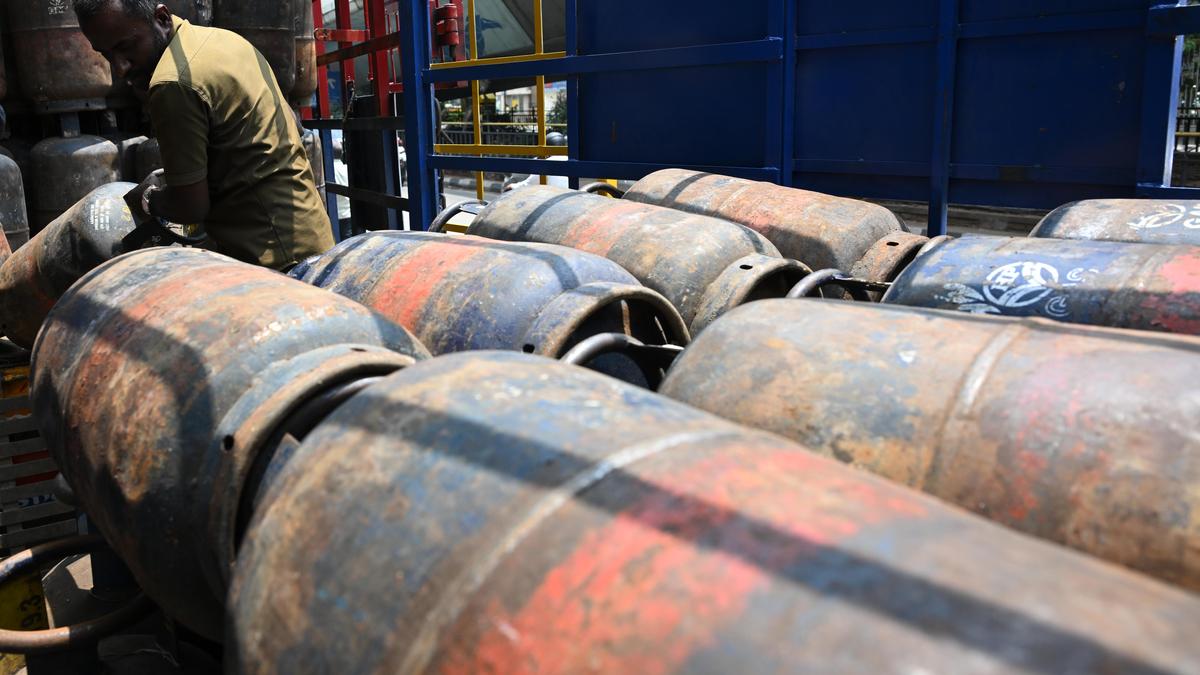
In the past few weeks, the supply of commercial LPG cylinders in Vizianagaram has become inconsistent. Distributors are reporting delays in receiving stocks from bottling plants, which has created a gap between demand and supply. Without enough gas to power their stoves, many restaurants have had to reduce their operating hours or pay extra to secure fuel quickly. To stay profitable, the local hotel associations decided that a price adjustment was necessary across the city.
Important Numbers and Facts
The price changes are not uniform but generally fall between a 5% and 15% increase. For example, a standard breakfast that previously cost 40 rupees might now cost 45 or 46 rupees. Full lunch meals have seen a sharper increase of 10 to 20 rupees per plate in some mid-range hotels. There are over 200 registered eateries and hundreds of smaller food stalls in the Vizianagaram area that are currently dealing with these supply chain issues. Reports suggest that the wait time for a commercial gas refill has doubled from two days to nearly four or five days in certain parts of the city.
Background and Context
LPG is the primary fuel used by the food industry in India. Commercial cylinders are different from the ones used in homes; they are larger and priced differently. In Vizianagaram, the food industry is a vital part of the local economy, serving thousands of people every day. When the supply of these cylinders is interrupted, it creates a ripple effect. This is not the first time the region has faced fuel issues, but the current shortage is particularly difficult because the prices of other essential items like cooking oil and vegetables have also been unstable. The combination of high ingredient costs and low fuel availability has left hotel owners with very little choice but to pass the cost on to the customers.
Public or Industry Reaction
The reaction from the public has been one of frustration. Many regular diners say that their monthly food budget is being stretched too thin. "I eat breakfast and lunch at a hotel near my office every day. An extra 10 or 15 rupees might not seem like much for one meal, but it adds up to a lot by the end of the month," said one local resident. On the other hand, hotel owners argue that they are not trying to make extra profit. They claim they are merely trying to survive. Many small canteen owners mentioned that if they did not raise prices, they would have to shut down their shops entirely because they cannot afford the current black-market rates for gas cylinders.
What This Means Going Forward
If the LPG supply does not return to normal soon, there is a risk that prices could rise even further. Local authorities and gas agencies need to work together to clear the backlog at bottling plants and ensure that commercial sectors get priority. There is also a fear that some smaller vendors might switch to less clean fuels, like wood or coal, to save money, which could lead to health and environmental concerns. For now, customers should expect these higher prices to stay in place for the foreseeable future. The hotel association has stated they will review the prices only after the gas supply becomes steady and reliable again.
Final Take
The price hike in Vizianagaram is a clear example of how fuel supply problems can quickly change the daily lives of ordinary people. While the 5% to 15% increase helps hotels stay in business, it places a new financial weight on the community. Solving the gas delivery issues is the only way to bring food prices back to a level that everyone can afford.
Frequently Asked Questions
Why are food prices increasing in Vizianagaram?
Prices are going up because there is a shortage of commercial LPG (cooking gas). This makes it more expensive and difficult for hotels to prepare food, forcing them to raise their prices.
How much more will I have to pay for a meal?
Most hotels and eateries have increased their prices by 5% to 15%. This means a meal that used to cost 100 rupees might now cost between 105 and 115 rupees.
When will the prices go back to normal?
Prices are expected to stay high until the supply of gas cylinders becomes regular again. Hotel owners say they will only consider lowering prices once their operational costs decrease.

