
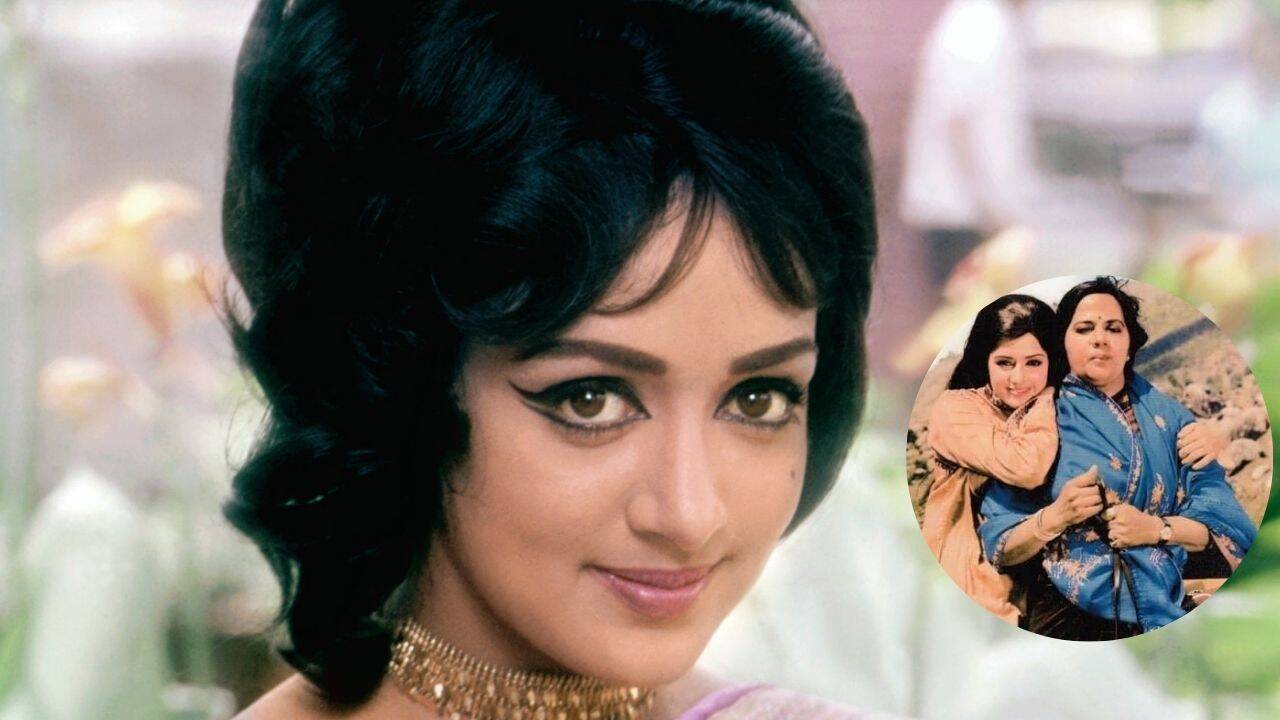
Summary
Veteran Bollywood actress and politician Hema Malini has set the record straight about her earnings during the 1970s and 1980s. In a recent podcast, she revealed that she was never the highest-paid actress of her time, as many people believe. Malini explained that actors from her generation earned only a small fraction of what today's stars make. She also shared that her mother, Jaya Chakravarthy, managed her career with great kindness, often accepting very small payments to help struggling film producers.
Main Impact
The revelation challenges a long-held belief in Bollywood history. For decades, fans and industry insiders assumed that Hema Malini, known as the "Dream Girl," was the top-earning actress of her era. Her statement shows that the financial reality for actors in the 1970s and 1980s was very different from today. It also highlights the important role her mother played in shaping her career with a focus on relationships rather than money.
Key Details
What Happened
Hema Malini appeared on a podcast where she talked openly about her career and earnings. She said she never asked filmmakers for a specific amount of money. Instead, her mother handled all financial matters. Malini described how her mother would accept small payment envelopes, which she compared to "alms" or "bheeksha," just to help producers who were struggling to make films.
Important Numbers and Facts
Malini did not give exact figures, but she made it clear that the pay for actresses in her time was very low compared to modern standards. She emphasized that her career choices were never about money. The actress also noted that she worked in many films, often without knowing how much she would be paid. Her mother's flexible approach allowed many small producers to complete their projects.
Background and Context
Hema Malini is one of the most famous actresses in Indian cinema. She acted in over 150 films and is often called the "Dream Girl" of Bollywood. During the 1970s and 1980s, the film industry was very different from today. There were no big corporate studios, and many films were made by individual producers with limited budgets. Actresses often had less bargaining power than male stars. Malini's comments give a rare look into how actresses were paid in that era.
Public or Industry Reaction
The podcast clip quickly spread on social media. Many fans expressed surprise that Malini was not the highest-paid actress. Some praised her mother for being kind and generous to struggling producers. Others noted that the story shows how much the film industry has changed. A few industry veterans agreed with Malini, saying that pay for actresses in the past was indeed very low compared to today's standards.
What This Means Going Forward
Malini's statement adds to the ongoing conversation about pay equality in Bollywood. It reminds people that even the biggest stars of the past did not earn huge amounts of money. The story also highlights the role of family in managing careers. For young actors today, it shows that success is not always about money. For historians, it provides a more accurate picture of the financial side of old Bollywood.
Final Take
Hema Malini's honest talk about her earnings breaks a popular myth. It shows that the "Dream Girl" of Bollywood was not driven by money but by her love for acting and her mother's guidance. Her mother's willingness to accept small payments helped many filmmakers and built lasting relationships. This story is a reminder that the past was very different from the present, and that kindness and flexibility can sometimes matter more than money.
Frequently Asked Questions
Was Hema Malini the highest-paid actress in the 1970s?
No, Hema Malini has said that she was never the highest-paid actress. She explained that actors in her time earned much less than modern stars, and she never asked for large payments.
Who managed Hema Malini's career?
Her mother, Jaya Chakravarthy, managed her career. She handled all financial talks with producers and often accepted small payments to help struggling filmmakers.
Why did Hema Malini's mother accept small payments?
She did this to help producers who had limited budgets. Malini described the payments as almost like "alms" or "bheeksha," showing her mother's kindness and flexibility.



