
Summary
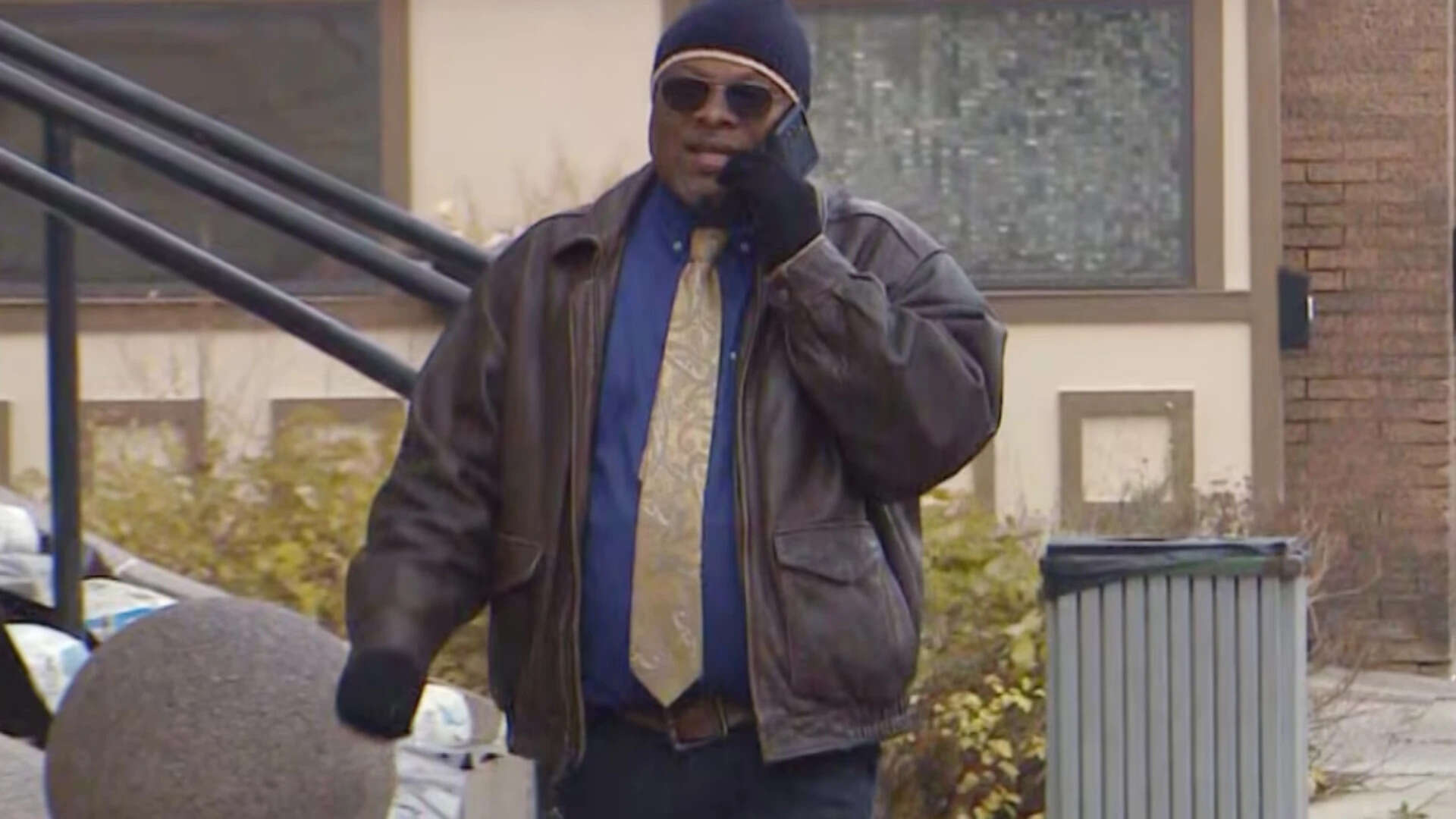
Harshkumar Ramanlal Patel, a man convicted for his role in a deadly human smuggling operation, has asked a United States court to throw out his conviction. Patel was found guilty of organizing a trip that led to the tragic deaths of an Indian family of four. The family froze to death in January 2022 while trying to cross the border from Canada into Minnesota during a severe winter storm. This legal request is an attempt to overturn the jury's decision and clear his name of the charges related to the incident.
Main Impact
The move to quash the conviction has brought a high-profile criminal case back into the public eye. This case is significant because it highlighted the extreme dangers of illegal border crossings and the ruthless nature of human smuggling rings. For the families of the victims and the Indian community, this legal challenge reopens a painful chapter. If the court agrees with Patel, it could change how smuggling cases are handled in the future. However, if the conviction stands, it serves as a strong warning to others involved in similar illegal activities that the legal system will hold them responsible for the lives lost under their watch.
Key Details
What Happened
In early 2022, a family from Gujarat, India, attempted to enter the United States illegally by walking across the border from Canada. The family included Jagdish Patel, his wife Vaishaliben, and their two young children, Vihangi and Dharmik. They were dropped off in a remote area during a night when temperatures dropped to nearly minus 35 degrees Celsius. The family got separated from a larger group and was caught in a blinding blizzard. They were found frozen to death just a few yards away from the US border line. Prosecutors argued that Harshkumar Patel was the mastermind who coordinated the trip from the US side, working with a driver named Steve Shand.
Important Numbers and Facts
The trial against Patel and his partner revealed several shocking details. Evidence showed that the smugglers charged large sums of money, often tens of thousands of dollars, to help people cross the border. During the trial, text messages were presented as evidence. These messages showed the defendants discussing the freezing weather and the logistics of picking up the migrants. Patel was convicted on charges of conspiracy to bring illegal aliens into the United States and causing the death of the four family members. The jury reached this decision after hearing testimony about how the operation was run and how the family was left to face the elements without proper winter clothing.
Background and Context
Human smuggling across the US-Canada border has become a growing concern for law enforcement in both countries. While many people focus on the southern border with Mexico, the northern border presents its own set of deadly risks, especially during the winter months. Many people from India, particularly from the state of Gujarat, seek to move to North America in search of better economic opportunities. Smugglers often exploit these dreams by promising safe passage, but they frequently put people in high-risk situations to avoid detection by border patrols. This specific case became a global news story because of the tragic death of the two children, which sparked a conversation about the ethics of migration and the cruelty of those who profit from it.
Public or Industry Reaction
The reaction to the original conviction was one of relief for many who wanted to see justice for the Patel family. Human rights groups and government officials in both India and the US praised the verdict as a step toward stopping dangerous smuggling operations. However, Patel’s lawyers are now arguing that the evidence used against him was not enough to prove his direct involvement in the deaths. They claim that the legal process had flaws and that the conviction should be set aside. This move has been met with criticism from those who believe that the evidence of his leadership in the smuggling ring was clear and that he must face the consequences of the tragedy.
What This Means Going Forward
The US court will now have to review the legal arguments presented by Patel’s defense team. This process involves looking at the trial records to see if any mistakes were made or if the law was applied incorrectly. If the court denies the request, Patel will continue to serve his sentence. If the court finds merit in his arguments, it could lead to a new trial or a change in his charges. Regardless of the legal outcome, border authorities are likely to increase their efforts to monitor remote crossing points. This case has already led to closer cooperation between Canadian and American police forces to track down smuggling networks that operate across international lines.
Final Take
The attempt to quash this conviction is a standard legal step, but it does not change the reality of the tragedy that occurred on that freezing night in 2022. The death of an entire family serves as a reminder that the business of human smuggling is built on risk and deception. While the legal battle continues in the courtroom, the story remains a powerful lesson about the high cost of illegal migration and the need for stronger protections against those who exploit vulnerable people for profit.
Frequently Asked Questions
Who is Harshkumar Ramanlal Patel?
He is a man convicted of being a leader in a human smuggling ring that operated between Canada and the United States. He was found responsible for the deaths of a family of four who froze near the border.
Why is he asking the court to quash his conviction?
His lawyers argue that there was not enough evidence to prove he was directly responsible for the deaths and that there were legal errors during his trial.
What happened to the family involved in this case?
The Patel family, including two young children, died from exposure to extreme cold while trying to walk across the border into Minnesota during a blizzard in January 2022.

