
Summary
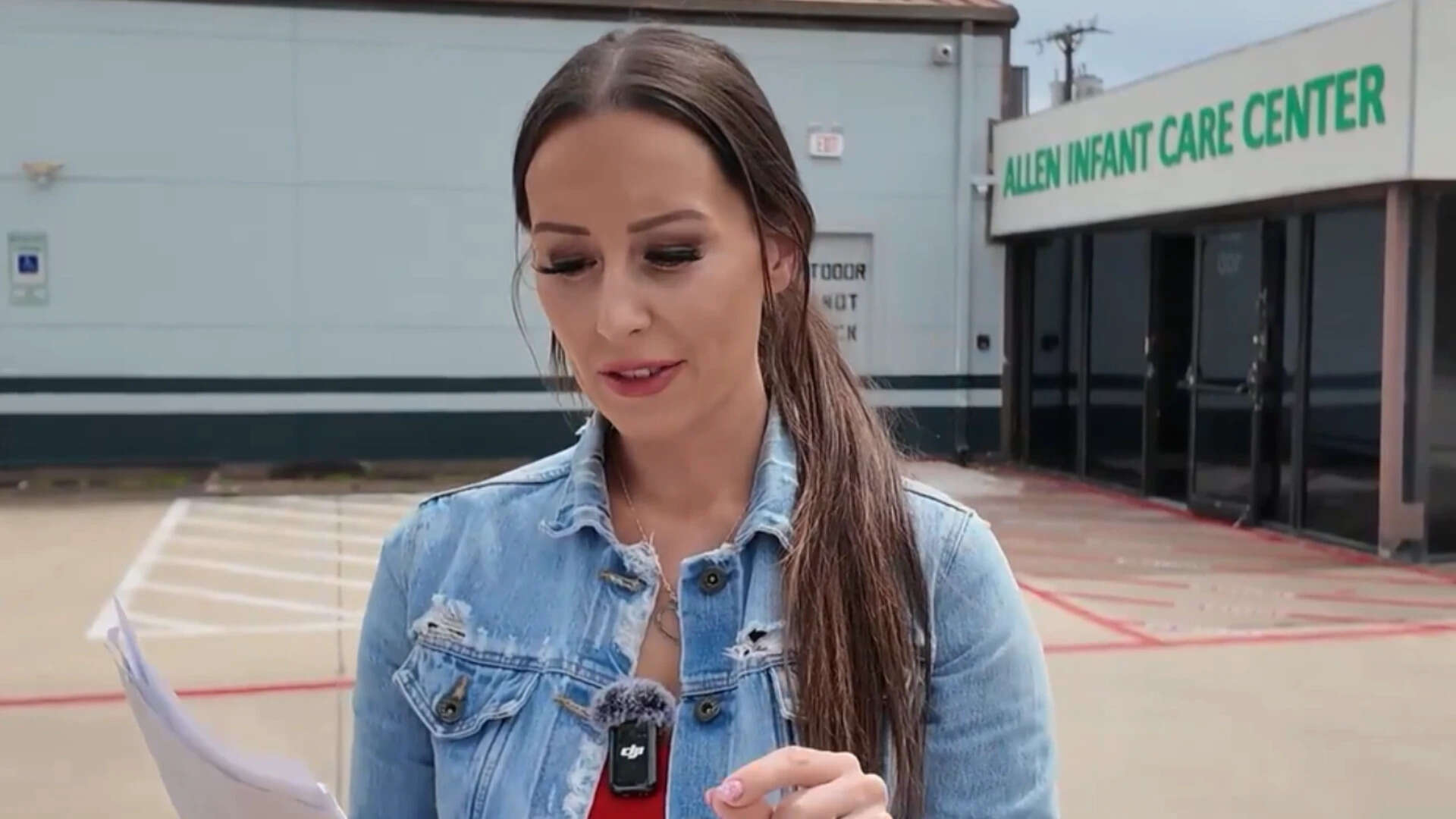
A daycare center in Texas is currently under investigation for allegedly running a scam involving the H-1B visa program. Federal authorities claim the business applied for specialized work visas for employees whose actual job duties did not match the legal requirements. This case has raised concerns about how small businesses use immigration programs to bring foreign workers into the United States for roles that do not qualify for high-skilled status. The investigation focuses on whether the daycare lied to the government to bypass strict immigration rules.
Main Impact
The main impact of this investigation is a renewed focus on visa fraud within small and medium-sized businesses. The H-1B program is designed for "specialty occupations" that require highly technical knowledge and at least a bachelor's degree. When a business like a daycare is accused of using these visas for unrelated or low-skilled roles, it creates a ripple effect. It makes it harder for legitimate tech companies and hospitals to get the visas they need because the annual limit is reached faster. Additionally, the workers involved in these scams often face the risk of being deported, even if they were not the ones who planned the fraud.
Key Details
What Happened
The Texas daycare allegedly submitted paperwork to the government claiming they needed workers for high-level roles. These roles were described as specialized positions that required advanced degrees. However, reports suggest that the people hired through these visas were actually performing standard daycare tasks, such as looking after children or doing basic office work. These tasks do not meet the legal definition of a "specialty occupation." Investigators believe the business may have used these job titles as a cover to help individuals get into the country or to find cheaper labor for roles that should have been filled by local workers.
Important Numbers and Facts
The H-1B visa program has a strict yearly cap of 85,000 visas. This includes 65,000 for general applicants and another 20,000 for those with advanced degrees from U.S. universities. Because demand is so high, the government uses a lottery system to pick winners. When a company commits fraud, they are essentially taking a spot away from a qualified doctor, engineer, or scientist. In this specific Texas case, federal agents are looking at several years of hiring records. If found guilty, the owners could face heavy fines and several years in federal prison for visa fraud and conspiracy.
Background and Context
To understand why this is a big deal, it is important to know how the H-1B system works. The U.S. government created this program to help companies hire foreign experts when they cannot find enough American workers with the right skills. Usually, these jobs are in fields like computer programming, medicine, or architecture. A daycare center typically does not fall into this category unless they are hiring a specialized child psychologist or a high-level curriculum director. In many fraud cases, businesses create "ghost" positions—jobs that exist only on paper—to get a visa approved. Once the worker arrives, they are given a completely different, lower-paying job.
Public or Industry Reaction
The reaction from the local community and immigration experts has been one of concern. Many people feel that these types of scams give all immigrants a bad reputation and make the legal immigration process more difficult for everyone. Industry experts note that the government has been increasing site visits to check on H-1B workers. These "spot checks" are meant to ensure that the person is actually doing the job described in their visa application. Some advocacy groups argue that the workers themselves are often victims who pay large sums of money to employers in exchange for a visa, only to find themselves in a difficult situation once they arrive in the U.S.
What This Means Going Forward
Going forward, we can expect the government to be much more careful when reviewing visa applications from non-technical businesses. The U.S. Citizenship and Immigration Services (USCIS) will likely increase its audits of small businesses that claim to need high-skilled foreign workers. For the Texas daycare, the legal process will involve a deep look into their financial records and payroll. If the government proves that the daycare intentionally misled officials, the business will likely be shut down or forced to pay massive penalties. This case serves as a warning to other business owners that the government is watching how these visas are used.
Final Take
The H-1B visa program is a vital tool for the American economy, but it relies on honesty from employers. When a business uses the system to fill roles that do not require specialized skills, it hurts the integrity of the entire immigration process. This investigation in Texas shows that federal agencies are willing to look beyond big tech companies to find and stop visa abuse in every corner of the business world. Protecting the system ensures that the most talented people can still come to the U.S. to work in the jobs where they are needed most.
Frequently Asked Questions
What is an H-1B visa?
It is a temporary work visa for foreign citizens who have specialized skills and a college degree. It is mostly used for jobs in science, engineering, and technology.
Why is the Texas daycare in trouble?
The daycare is accused of lying on visa applications. They allegedly claimed they were hiring for high-skilled roles but actually used the workers for basic childcare tasks.
What happens to workers if a company is caught in a visa scam?
The workers usually lose their legal status in the country. They may be forced to leave the U.S. or could face legal problems if they knew about the fraud and participated in it.

