
Summary
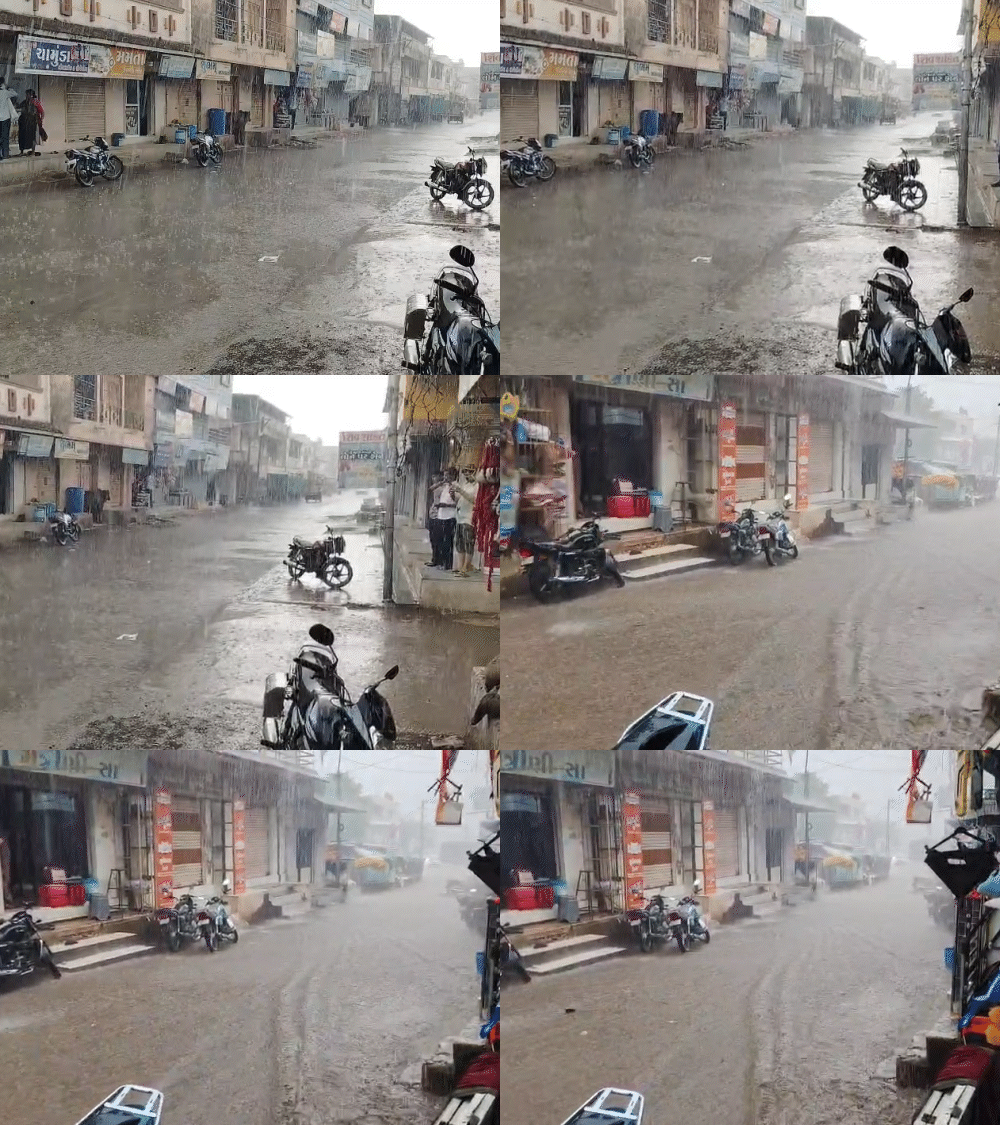
Unseasonal rain has hit the Gir region of Gujarat, causing major worries for farmers. The sudden change in weather brought heavy rain, thunder, and lightning to areas like Una and Gir Gadhda on Friday afternoon. This weather shift is a big threat to the famous Kesar mango crops that are currently growing in the orchards. Authorities have warned that more rain could occur in several districts over the next 24 hours before the summer heat returns.
Main Impact
The primary impact of this sudden rain is on the agricultural sector, specifically the Kesar mango harvest. Gir is known worldwide for its high-quality mangoes, and rain during this time of year can cause the fruit to fall or rot. Beyond the farms, the weather has disrupted daily life. Strong winds and lightning have caused power outages in many rural areas. In some towns, the rain was heavy enough to cause water to flow across main roads, making travel difficult for local residents.
Key Details
What Happened
On the afternoon of March 20, the weather in the Gir Somnath district changed rapidly. Dark clouds covered the sky, followed by loud thunder and bright flashes of lightning. In Una and Gir Gadhda, the rain was intense enough to turn streets into small streams. This follows a very rainy Thursday where 72 different parts of Gujarat reported unseasonal showers. The wind was so strong in some places that it knocked down large trees and metal advertising boards.
Important Numbers and Facts
The weather department shared several important figures regarding this storm. On March 19, rain was recorded in 72 talukas across the state. The amount of rain varied from 1 mm to 41 mm. The highest amount of rain was seen in Bagasara, located in the Amreli district, which received more than 1.5 inches. Forecasters say that seven specific districts are still at risk of rain today. However, once this system passes, temperatures are expected to jump by 3 to 5 degrees Celsius within a few days.
Background and Context
In Gujarat, rain during the month of March is known as "Mavthu." This is not normal for this time of year, as March is usually the beginning of the hot summer season. Experts say this rain is caused by something called a "Western Disturbance" and "cyclonic circulation." These are weather patterns that bring moisture and clouds from other regions. While rain might seem like a relief from the heat, it is actually very bad for farmers. Crops like wheat, cumin, and mangoes are often ready for harvest or in a delicate growing stage right now. When it rains unexpectedly, these crops can be ruined, leading to big financial losses for families who depend on farming.
Public or Industry Reaction
Farmers in the Gir region are expressing deep concern. Many have spent months tending to their mango trees, and they fear that one afternoon of bad weather could destroy their hard work. Local business owners are also worried about the power cuts, as electricity is needed to keep goods cool and shops running. On social media, people have been sharing videos of the rain and wind, warning others to stay indoors and keep away from trees or old buildings that might fall. The state weather department has officially advised citizens to stay alert and be careful during these sudden storms.
What This Means Going Forward
The next 24 hours are critical for several districts, including Sabarkantha, Aravalli, Mahisagar, Dahod, Gir Somnath, Amreli, and Bhavnagar. Residents in these areas should expect cloudy skies and possible light rain. After this period, the weather system is expected to move away. Once the clouds clear, the sun will become much stronger. People should prepare for a quick rise in temperature. For the mango industry, the coming weeks will reveal how much damage was actually done to the fruit. If the damage is high, the price of Kesar mangoes might go up in the markets later this season.
Final Take
This unseasonal rain serves as a reminder of how much we rely on steady weather for our food and economy. While the rain provides a short break from the spring heat, the risk it poses to the Kesar mango and other crops is a serious issue. As the state moves back into a hot summer pattern, the focus will shift from managing rain damage to handling the rising heat across Gujarat.
Frequently Asked Questions
Why is it raining in Gujarat during March?
The rain is caused by a Western Disturbance and cyclonic circulation, which are weather systems that bring unusual moisture and clouds to the region during the dry season.
Which areas are most affected by the recent rain?
The Gir region, including Una and Gir Gadhda, saw heavy rain today. Yesterday, Amreli's Bagasara district received the most rainfall, and a total of 72 talukas were affected.
Will the weather stay cool after the rain?
No, the cooling effect is only temporary. The weather department predicts that temperatures will rise by 3 to 5 degrees Celsius once the rain clouds clear in the next 24 to 48 hours.



