
Summary
The Gujarat Pollution Control Board (GPCB) has issued a formal notice to the Surat Municipal Corporation (SMC) regarding the frequent fires at the Khajod landfill. These fires have become a major source of air pollution and a health risk for residents in the surrounding areas. The environmental regulator is demanding that the city take immediate steps to manage the waste site more safely. This move highlights the growing concern over how urban waste is handled in one of India’s fastest-growing cities.
Main Impact
The primary impact of this notice is the increased pressure on city officials to fix a long-standing environmental problem. For years, the Khajod landfill has been a site of recurring fires, which release toxic fumes into the air. By issuing this notice, the GPCB is signaling that the current state of waste management is no longer acceptable. If the SMC fails to act, it could face heavy fines or legal consequences. For the public, this could lead to better air quality and a safer living environment if the city follows through with better safety protocols.
Key Details
What Happened
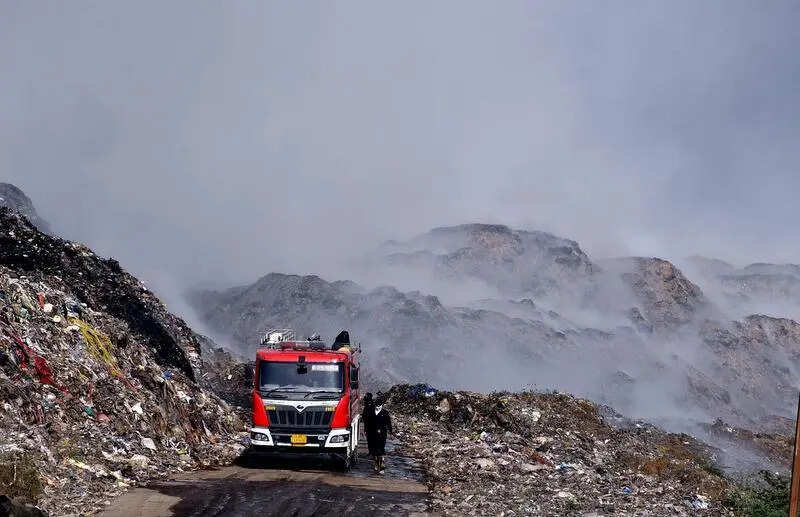
In recent weeks, several fires broke out at the Khajod disposal site, sending thick clouds of smoke across parts of Surat. These fires often start deep within the piles of trash and can burn for several days before they are fully put out. After inspecting the site, GPCB officials found that the municipal corporation was not following the required safety rules for solid waste management. The inspection revealed that the lack of proper monitoring and gas control systems allowed these fires to start and spread easily.
Important Numbers and Facts
The Khajod landfill is a massive facility that handles the majority of Surat's daily waste. The city produces more than 2,100 tons of garbage every day, much of which ends up at this single location. During the most recent fire incidents, the air quality in nearby residential zones dropped significantly, causing worry among thousands of families. The GPCB has given the SMC a short window of time to explain why these fires keep happening and to provide a clear plan to stop them from occurring again.
Background and Context
Landfill fires are a common but dangerous problem in many large cities. When organic waste, like food scraps, is buried under other trash, it begins to rot without oxygen. This process creates methane, a gas that catches fire very easily. During the hot summer months, the heat can cause this gas to ignite, leading to fires that are very hard to extinguish because they burn deep underground. In Surat, the Khajod site has grown into a massive mountain of trash over the years, making it harder to manage the gases trapped inside.
Public or Industry Reaction
Residents living in areas near the landfill, such as Vesu and Althan, have expressed deep frustration. Many have reported health issues like breathing difficulties, burning eyes, and persistent coughs whenever a fire breaks out. Local environmental groups have also criticized the city’s slow response to the crisis. They argue that the city should focus more on recycling and composting rather than just dumping everything in a pile. Industry experts suggest that the city needs to move toward more modern waste-to-energy plants to reduce the amount of trash that sits in the landfill.
What This Means Going Forward
The Surat Municipal Corporation must now come up with a technical solution to prevent methane buildup. This usually involves installing special pipes that allow the gas to escape safely or burning it off in a controlled way. The city is also expected to speed up its "biomining" project. Biomining is a process where old waste is dug up and separated into different materials like plastic, metal, and soil so the land can be cleared. If the city does not show progress, the GPCB may take stricter actions, which could include stopping the disposal of waste at the site entirely.
Final Take
The notice from the GPCB serves as a vital reminder that urban growth must be balanced with environmental safety. While Surat is often praised for its cleanliness, the situation at the Khajod landfill shows that the "out of sight, out of mind" approach to trash does not work. Real progress will require the city to change how it views waste, moving from simple dumping to a more sustainable system that protects the health of its citizens.
Frequently Asked Questions
Why did the GPCB send a notice to the SMC?
The notice was sent because of frequent and uncontrolled fires at the Khajod landfill, which have caused severe air pollution and violated environmental safety rules.
What causes the fires at the Khajod landfill?
Fires are mostly caused by methane gas, which is produced when organic waste rots. In high temperatures, this gas can catch fire and burn through the piles of trash.
How does the smoke from the landfill affect people?
The smoke contains toxic chemicals and fine particles that can cause breathing problems, skin irritation, and long-term health issues for people living in nearby neighborhoods.



