
Summary
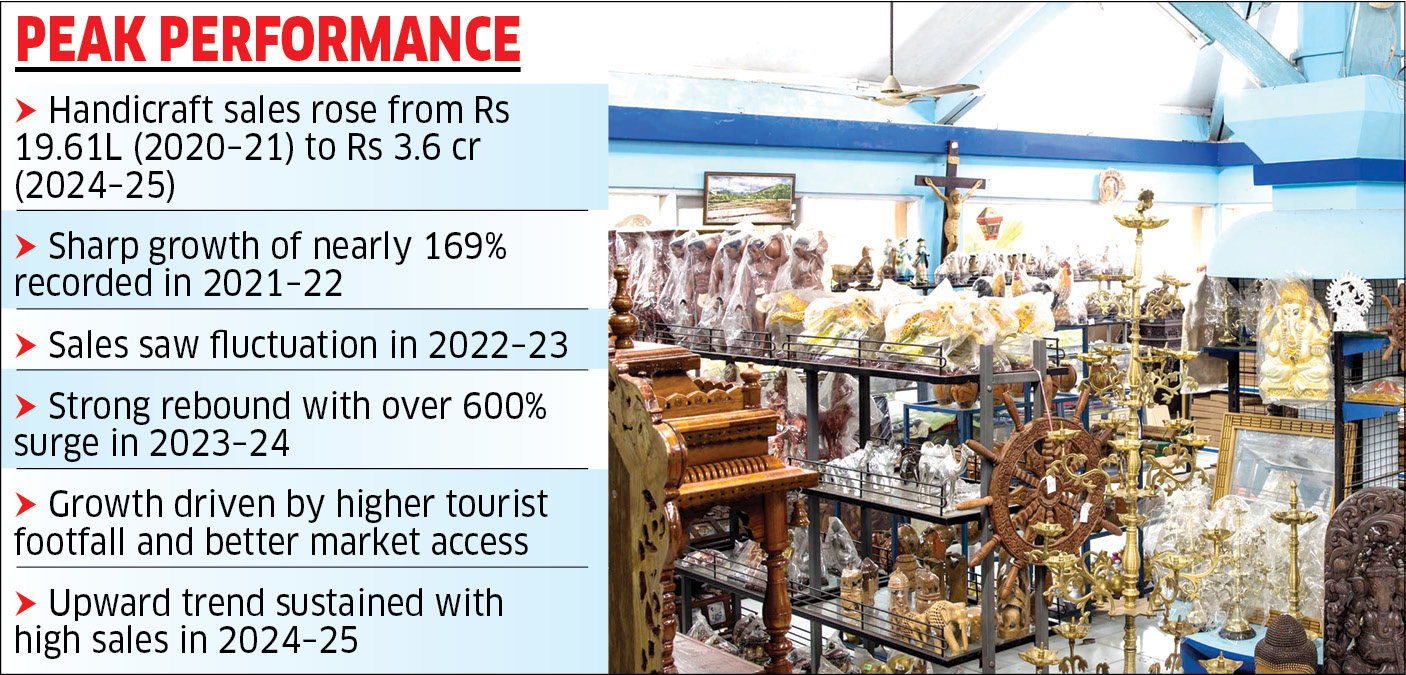
Goa’s handicrafts sector has seen an incredible 17-fold growth in production and sales over the last five years. Recent data shows that the market for local crafts has expanded by more than 1,730 per cent since 2020. This massive jump in revenue highlights a growing interest in traditional Goan products among both tourists and local buyers. The total sales value rose from under Rs 20 lakh to a high of Rs 3.6 crore, marking a major success for the state's artisans.
Main Impact
The primary impact of this growth is the economic boost it provides to local craftspeople and small businesses. By moving from a small niche market to a multi-crore industry, the handicrafts sector is now a significant part of Goa’s economy. This change means more jobs for artists and better pay for those who keep traditional skills alive. It also shows that when local products are given the right space and marketing, they can compete with modern factory-made goods.
Key Details
What Happened
The Department of Handicrafts, Textile and Coir released new figures showing how the industry has changed. In the 2020-21 period, total sales were recorded at just Rs 19.61 lakh. By the 2024-25 period, that number climbed to Rs 3.6 crore. This growth did not happen all at once. After a steady start, the sector saw a massive 600 per cent jump in 2023-24. This was largely due to more tourists visiting the state and better access to shops where these items are sold.
Important Numbers and Facts
The data points to several specific areas of success within the industry:
- Total Growth: A 1,730 per cent increase in sales over five years.
- Fibre Products: This category saw the fastest growth, rising from a tiny Rs 7,417 in 2021-22 to Rs 2.89 lakh in 2023-24. This is an increase of nearly 3,800 per cent.
- Ceramic Items: Sales for pottery and ceramic goods grew by over 470 per cent, reaching nearly Rs 4.26 lakh.
- Cultured Ivory: These products doubled in value in just one year between 2022 and 2023.
- Top Locations: The Calangute Craft Complex and DIM outlets were the most successful places for selling these goods.
Background and Context
Handicrafts are items made by hand using traditional tools and methods. In Goa, this includes working with clay, bamboo, coconut shells, and sea shells. For a long time, these crafts were sold in small village markets or at local fairs. However, the government has worked to bring these products to more popular areas where tourists spend their time. By setting up dedicated craft complexes in places like Calangute, the state has made it easier for visitors to find and buy authentic Goan souvenirs.
The rise in sales also reflects a global trend where people want to buy eco-friendly and handmade items. Products made from natural materials like jute and coconut are becoming more popular as people move away from plastic. Traditional clothing, such as the Kunbi saree, has also seen a comeback as people look for items that represent the history and culture of the region.
Public or Industry Reaction
The reaction from the industry has been very positive. Artisans are seeing a renewed demand for their work, which encourages younger generations to learn these old skills. The high sales at the Calangute Craft Complex show that there is a strong market for high-quality, local goods. Experts believe that the mix of traditional designs with modern marketing has been the key to this success. There is also a growing sense of pride in Goan heritage, as seen in the rising demand for indigenous products like shawls and hand-woven fabrics.
What This Means Going Forward
Looking ahead, the challenge will be to keep this momentum going. The state will likely need to open more sales centers and perhaps look into online selling to reach people outside of Goa. As demand grows, there is also a need to ensure that the quality of the crafts remains high. If the current trend continues, the handicrafts sector could become one of the most stable parts of Goa's tourism economy. This would reduce the state's reliance on seasonal beach tourism and provide a year-round income for many families.
Final Take
The 17-fold growth in Goa’s handicrafts is a clear sign that traditional arts have a bright future. By connecting local talent with the right markets, the state has turned a small craft industry into a multi-crore success story. This growth protects Goan culture while providing a modern way for artisans to earn a living. It proves that traditional skills are not just a part of the past, but a valuable part of the future economy.
Frequently Asked Questions
Which Goan handicraft grew the fastest?
Fibre items saw the most rapid growth, with sales increasing by nearly 3,800 per cent over a two-year period.
Where are most of these handicrafts sold?
The majority of the sales come from the Calangute Craft Complex and DIM outlets, which are popular spots for tourists.
Why did sales jump so much in 2023-24?
Sales increased by 600 per cent during that year because of a rise in tourist numbers and better market access for local artisans.



