
Summary
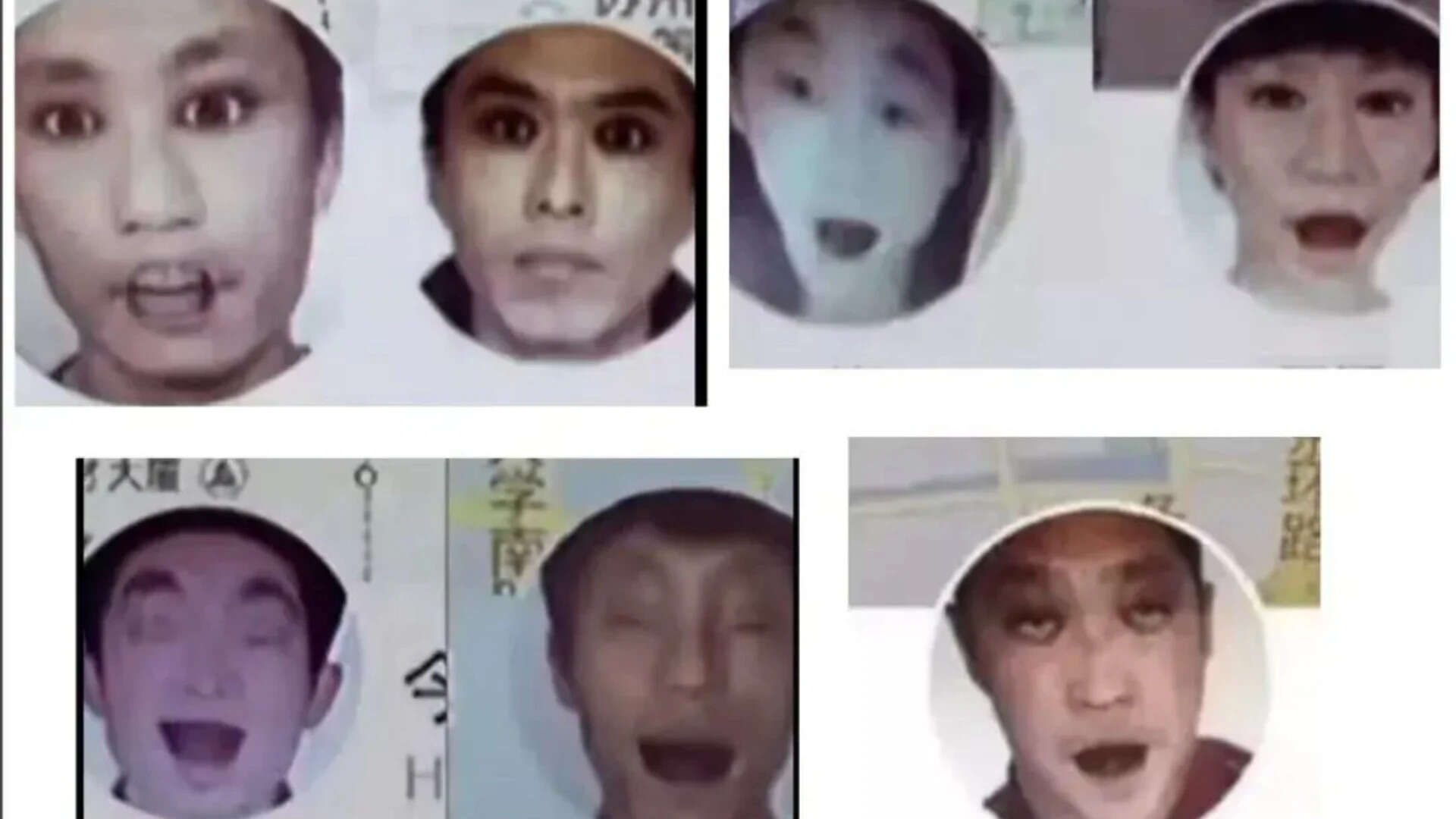
A strange and dishonest trend has appeared in the world of ride-hailing apps in China. Drivers known as "ghost drivers" are using scary or distorted profile pictures to trick passengers into canceling their trips. When a passenger cancels a ride out of fear, the driver automatically receives a small cancellation fee without having to drive anywhere. This scam has caused concern among commuters and is forcing tech companies to rethink how they verify driver identities.
Main Impact
The primary impact of this scam is the loss of trust between passengers and ride-sharing platforms. While the individual fees stolen from customers are often small, the collective financial gain for scammers is significant. More importantly, these tactics create a sense of fear and unease for people trying to get home safely. It also hurts honest drivers who lose business because customers become wary of using the apps altogether.
Key Details
What Happened
The scam works by using psychological tricks. When a person requests a ride, the app shows them a picture of their driver. These "ghost drivers" upload photos that have been edited to look like characters from horror movies. The images often feature people with extremely pale skin, dark or bleeding eyes, and twisted facial features. Most passengers, seeing a terrifying image of the person supposed to pick them up, cancel the ride immediately.
In other cases, the drivers do not just rely on scary photos. Some will accept a ride and then immediately mark the trip as "started" even though they are nowhere near the passenger. They then drive away or turn off their GPS. The passenger is charged for a trip they never took. If the passenger tries to call the driver, the driver often ignores the phone or gives confusing information to force the passenger to hang up and cancel.
Important Numbers and Facts
The cancellation fees usually range from a few cents to a couple of dollars depending on the app and the region. However, scammers use automated software to create hundreds of fake accounts. By doing this many times a day, they can make a large amount of money without ever picking up a single person. Reports show that these incidents have been most common on major platforms that operate in large Chinese cities. Tech companies have had to ban thousands of accounts to try and stop the problem.
Background and Context
To understand why this happens, it is important to know how ride-hailing apps work. These apps have a rule that protects drivers: if a driver travels to a pickup spot and the passenger cancels at the last minute, the passenger must pay a small fee. This is meant to cover the driver's gas and time. Scammers found a way to turn this helpful rule into a tool for theft.
The gig economy in China is very large, and millions of people rely on these apps every day. Because the system is so big, it can be hard for companies to check every single profile picture manually. Scammers take advantage of this gap in the system to upload fake or edited photos that the computer's automatic checks might not catch right away.
Public or Industry Reaction
The public reaction has been a mix of anger and confusion. Many users have shared screenshots of these "ghost" profiles on social media to warn others. Some people reported being genuinely frightened, especially when booking rides late at night. The industry has responded by tightening security. Major apps have started using facial recognition technology. This requires drivers to scan their faces in real-time before they can start working, making it much harder to use fake or edited photos.
What This Means Going Forward
This situation shows that as technology gets better, the methods used by scammers also change. Going forward, ride-hailing companies will likely use more advanced AI to scan profile pictures for signs of editing or "scary" features. There may also be changes to how cancellation fees are paid. Companies might wait to verify the driver's location before allowing them to collect a fee. For passengers, the advice is to report any strange profiles immediately and avoid canceling through the app if the driver is clearly acting dishonestly.
Final Take
The "ghost driver" scam is a reminder that digital platforms need constant monitoring to stay safe. While the trick is clever in a dark way, it relies on scaring innocent people for a small profit. As long as there are loopholes in how apps handle driver verification and fees, people will try to exploit them. The focus must remain on protecting the user experience and ensuring that technology serves the public rather than those looking to cheat the system.
Frequently Asked Questions
Why do the drivers use scary pictures?
They use scary pictures to frighten passengers into canceling the ride. When a passenger cancels, the driver gets a cancellation fee without having to do any work or spend money on gas.
How can I avoid being scammed by a ghost driver?
If you see a suspicious or scary profile picture, do not cancel the ride immediately if it will charge you a fee. Instead, report the driver to the app's customer support team so they can investigate and cancel the ride for you without a penalty.
Are ride-hailing apps doing anything to stop this?
Yes, many companies are now using facial recognition checks. This means the driver must prove they are a real person and match their ID photo before they are allowed to accept any passengers.

