
Summary
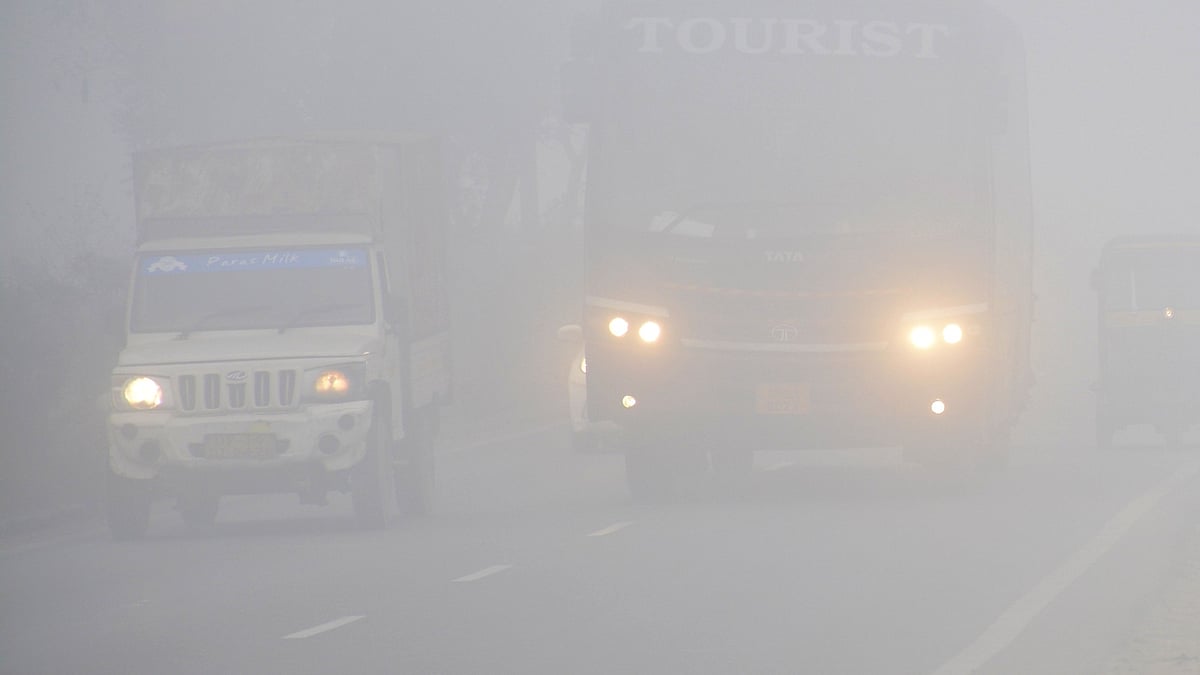
A new report has named Ghaziabad as the most polluted city in India during the winter of 2025-26. The study, conducted by the Centre for Research on Energy and Clean Air (CREA), shows that air quality across the country has worsened compared to the previous year. More than 200 cities failed to meet national safety standards, highlighting a growing health crisis as toxic air spreads to more regions.
Main Impact
The most significant finding of this report is the sharp increase in the number of cities with dangerous air. Last winter, 173 cities recorded pollution levels above the national limit. This year, that number rose to 204 cities. This trend suggests that current efforts to clean the air are not keeping up with the rising levels of pollution. The impact is felt most heavily in Northern India, where cities in Uttar Pradesh, Haryana, and Delhi continue to dominate the list of the most polluted places in the country.
Key Details
What Happened
The Centre for Research on Energy and Clean Air analyzed air quality data from October 1, 2025, to February 28, 2026. They looked at information from 238 cities that have proper monitoring equipment. The study focused on PM2.5, which are tiny particles in the air that can enter the lungs and blood. The results showed that the vast majority of Indian cities are breathing air that is considered unsafe by both Indian and international standards.
Important Numbers and Facts
Ghaziabad took the top spot for the highest pollution, with an average PM2.5 level of 172 micrograms per cubic metre. Noida followed in second place with 166, and Delhi ranked third with 163. To put this in perspective, these levels are many times higher than what health experts consider safe.
The report also detailed the air quality in the national capital. During the five-month winter period, Delhi experienced:
- 18 days of "severe" air quality.
- 87 days of "very poor" air quality.
- 24 days of "poor" air quality.
- Only one single "good" air day.
Other cities in the top 10 list included Greater Noida, Bahadurgarh, Dharuhera, Gurgaon, Bhiwadi, Charkhi Dadri, and Baghpat. Most of these cities are located in the states of Haryana and Uttar Pradesh.
Background and Context
Air pollution in India usually gets much worse during the winter. This happens because cold air is heavier and moves more slowly than warm air. This heavy air traps dust, smoke from factories, and car exhaust close to the ground. In Northern India, this problem is made worse by the geography of the region, which prevents wind from blowing the pollution away.
The government has set up the National Clean Air Programme (NCAP) to help cities reduce their pollution levels. However, the report found that even cities part of this program are struggling. Out of 96 NCAP cities studied, 84 failed to meet India’s national air standards. Even more concerning is that every single one of these cities failed to meet the much stricter safety guidelines set by the World Health Organization (WHO).
Public or Industry Reaction
Experts are calling for a change in how India handles air quality. Manoj Kumar, an analyst at CREA, pointed out that while there are targets to reduce dust and soot, the government needs to focus more on gases. These include sulfur dioxide and nitrogen dioxide, which come from burning fuels. These gases react in the air to create even more particulate pollution.
The report also highlighted a major divide between Northern and Southern India. While the North struggled with toxic air, several cities in Karnataka showed that clean air is possible. Chamarajanagar in Karnataka was named the cleanest city in India, with a PM2.5 level of only 19 micrograms per cubic metre. Eight of the ten cleanest cities in the country were located in Karnataka.
What This Means Going Forward
The data shows that air pollution is no longer a problem limited to just a few big cities like Delhi. It is a widespread issue affecting hundreds of towns across various states. For residents in highly polluted areas like Ghaziabad and Noida, this means a higher risk of heart disease, asthma, and other breathing problems.
Going forward, experts suggest that the government needs to set stricter nationwide goals. Instead of just focusing on local dust, there needs to be a bigger push to control emissions from power plants and large industries. Without these changes, the number of cities with "severe" air quality is likely to keep growing each winter.
Final Take
The winter of 2025-26 has proven to be one of the most challenging periods for air quality in India. With Ghaziabad leading a long list of polluted cities, the data serves as a wake-up call. While some regions are making progress, the overall trend shows that the air is becoming harder to breathe for millions of people. Real improvement will require more than just temporary fixes; it needs a long-term plan that covers the entire country.
Frequently Asked Questions
Which city had the worst air quality in India this winter?
Ghaziabad was ranked as the most polluted city in India during the 2025-26 winter season, followed by Noida and Delhi.
Which city was the cleanest in India?
Chamarajanagar in Karnataka was the cleanest city, with very low levels of air pollution compared to the rest of the country.
Why does air pollution get worse in the winter?
During winter, cold air traps pollutants like smoke and dust near the ground. Lack of strong winds prevents these pollutants from clearing out, leading to poor air quality.

