
Summary
India has reached a major milestone in science by completing the mapping of its own genetic code. The Genome India Project has successfully sequenced 10,000 genomes from various populations across the country. During this process, researchers discovered 44 million genetic variants that were previously unknown to global science. This massive database will help doctors understand diseases better and create treatments specifically designed for the Indian population.
Main Impact
The discovery of 44 million new genetic variants is a game-changer for healthcare in South Asia. For decades, most medical research and drug development relied on genetic data from European populations. However, the genetic makeup of people in India is very different due to thousands of years of history and social customs. By identifying these unique variants, scientists can now explain why certain medicines work differently for Indians and why some groups are more prone to specific health conditions.
Key Details
What Happened
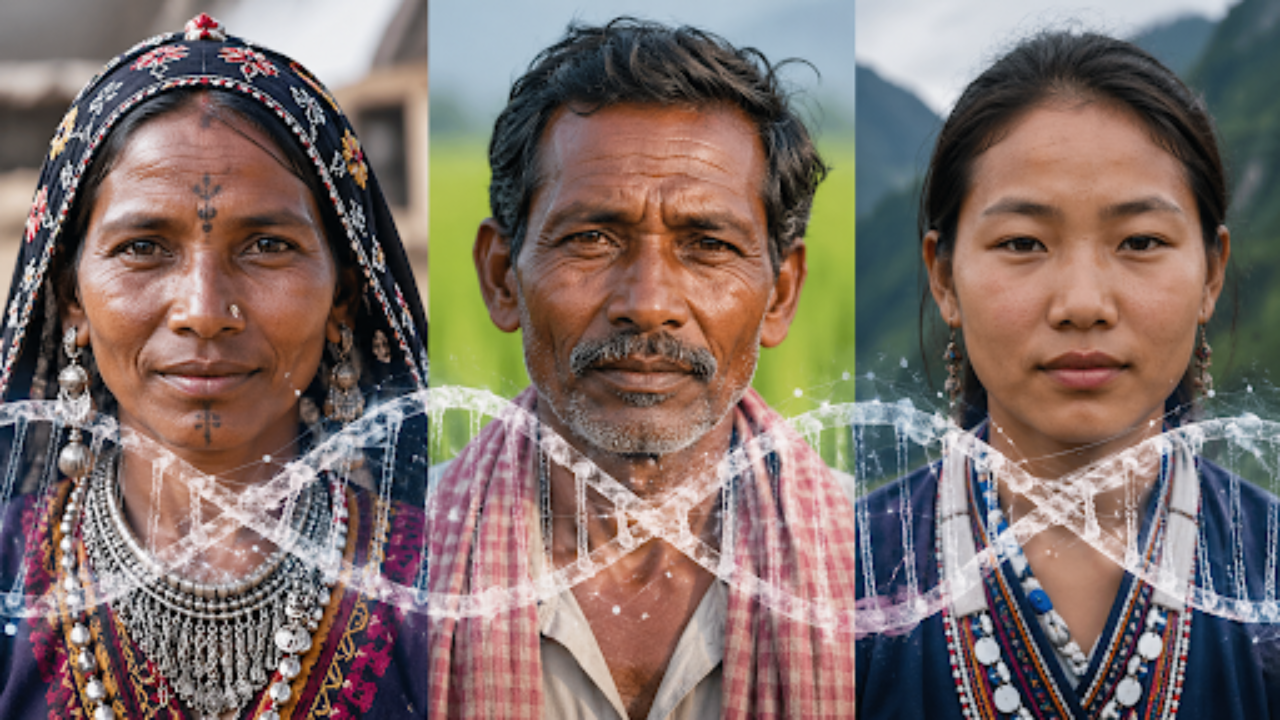
The Genome India Project was a massive effort led by the Department of Biotechnology. It involved 20 different research institutions across the country, with the Indian Institute of Science (IISc) in Bengaluru playing a central role. The team collected blood samples from 10,000 individuals who represent the vast diversity of India. These individuals came from 99 different ethnic groups, including tribal communities and people from various geographical regions. By looking at the DNA of these people, scientists created a "reference genome" that acts as a blueprint for the Indian population.
Important Numbers and Facts
The project identified a total of 44 million genetic mutations that had never been recorded in global databases before. This shows how much unique information was missing from world science. The study covered a wide range of people to ensure that the data was not just focused on one region. This database is now stored at the Indian Biological Data Centre in Faridabad. It is a massive digital library that researchers can use to study everything from rare childhood diseases to common problems like high blood pressure and diabetes.
Background and Context
To understand why this matters, you have to think of DNA as an instruction manual for the human body. Every person has a slightly different manual. For a long time, doctors were using a manual written for people in the West to treat people in India. This did not always work well because India has a very unique genetic history. For thousands of years, many communities in India practiced endogamy, which means marrying within the same group. This practice led to certain genetic traits and even specific diseases being passed down within those groups. Without a local genetic map, it was very hard for doctors to find the cause of these illnesses.
Public or Industry Reaction
Scientists and medical experts are calling this a "gold mine" for future research. The government has praised the project as a step toward "Atmanirbhar Bharat" or a self-reliant India in the field of healthcare. Pharmaceutical companies are also interested because this data allows them to develop "precision medicine." This means instead of giving the same pill to everyone, doctors can look at a patient's DNA and give them a treatment that is most likely to work for their specific body type. It also helps in identifying people who might have a high risk of getting sick later in life, allowing for early prevention.
What This Means Going Forward
The next step for the project is even more ambitious. While the first phase looked at 10,000 people, the goal is to eventually sequence many more. This data will be used to create new diagnostic tests that are cheaper and more accurate for Indian patients. It will also help in the fight against rare diseases that often go undiagnosed for years. In the long run, this could lead to a future where every person in India has their own genetic profile, helping them live longer and healthier lives through personalized diet, lifestyle, and medical plans.
Final Take
The completion of the Genome India Project marks a new era for Indian science. By uncovering 44 million unknown genetic variants, India is no longer relying on foreign data to solve local health problems. This project ensures that the benefits of modern genetic science reach everyone, from people in big cities to those in the most remote villages. It is a vital tool that will protect the health of future generations and place India at the forefront of global medical innovation.
Frequently Asked Questions
What is a genome?
A genome is the complete set of genetic instructions found in a living thing. It contains all the information needed for a person to grow, develop, and function. Think of it as a biological code that determines things like eye color and risk for certain diseases.
Why did India need its own genome project?
Most global genetic data comes from people of European descent. Because India has a very diverse population with unique historical and social patterns, Western data does not always apply. India needed its own map to provide better healthcare for its citizens.
How will this help regular people?
This research will lead to better and faster diagnosis of diseases. It will also help doctors choose the right medicines for patients, reducing side effects and making treatments more effective. In the future, it could help prevent serious illnesses before they even start.



