
Summary
Gas prices in the United States have jumped significantly due to the ongoing conflict in Iran. While President Trump and his top officials claim that fuel costs will drop quickly in a few weeks, official data from the government tells a different story. The Energy Information Administration (EIA) predicts that gas prices will stay well above $3 per gallon through 2026 and 2027. This gap between political promises and economic data suggests that drivers may be facing high costs at the pump for much longer than the White House suggests.
Main Impact
The most immediate impact is being felt by every American who owns a car. In just one month, the average price for a gallon of gas has risen by 31%, reaching $3.84. This sudden increase puts a heavy strain on family budgets and increases the cost of transporting goods across the country. While the administration views this as a short-term problem, the data suggests a long-term shift in the energy market that could last for years.
Key Details
What Happened
The price spike is tied directly to the military conflict in Iran. A major part of the problem is the closure of the Strait of Hormuz. This is a narrow water path that is vital for moving oil from the Persian Gulf to the rest of the world. Because ships cannot safely pass through this area, the global supply of oil has tightened, causing prices to shoot up. Even if the fighting stops tomorrow, the process of moving ships and restarting oil production takes a long time.
Important Numbers and Facts
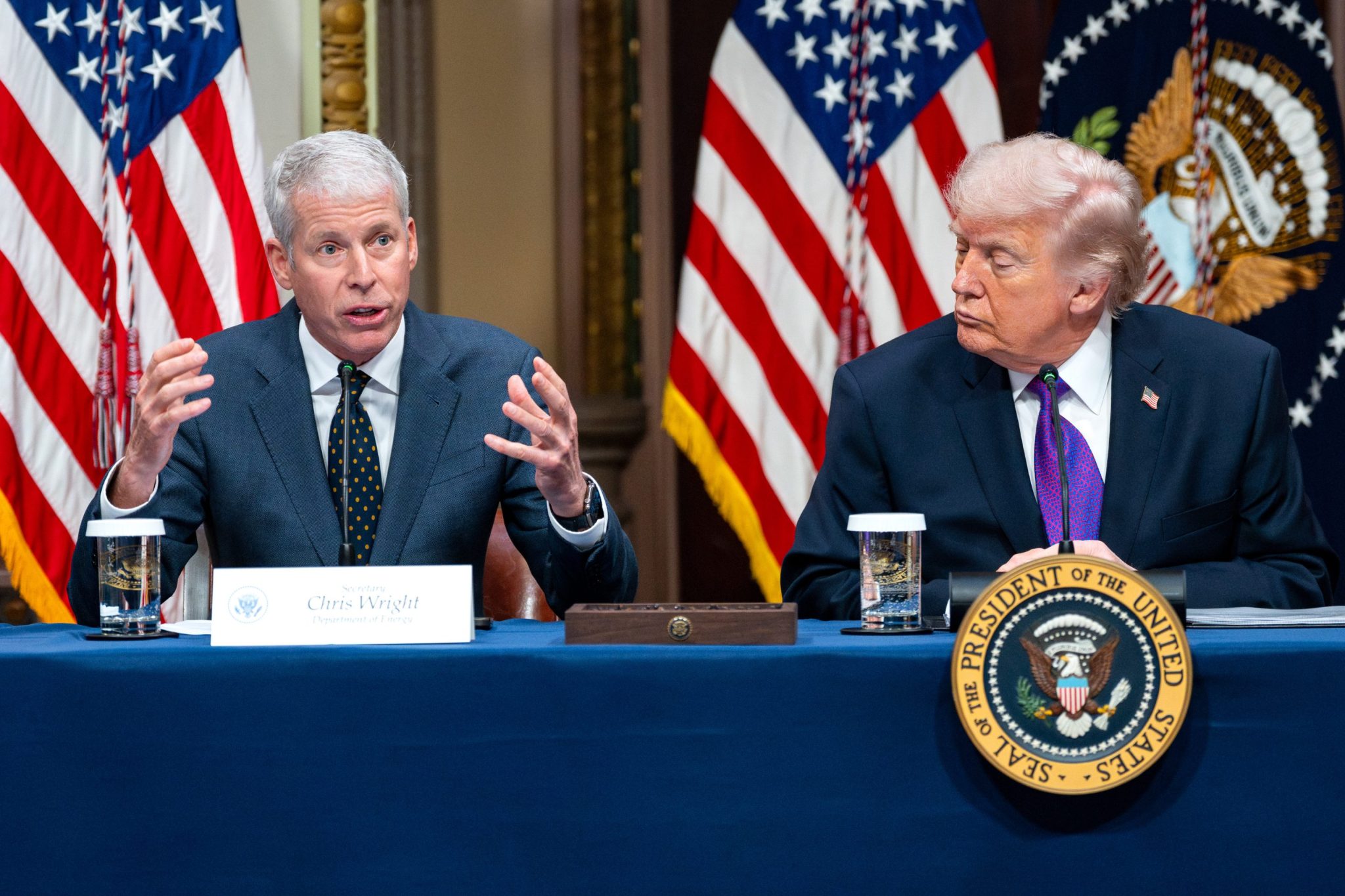
The data shows a clear disagreement between different parts of the government. Energy Secretary Chris Wright told news outlets that gas could fall below $3 by this summer. However, the EIA, which tracks energy statistics, released a report with much higher estimates. They expect gas to average $3.34 in 2026 and $3.18 in 2027. Before the conflict began, the government expected prices to be around $2.91. This means the war has added a permanent "extra cost" to every gallon of gas for the foreseeable future.
Background and Context
To understand why gas prices are so high, it helps to look at how oil moves around the world. Most of the oil used globally comes from the Middle East. The Strait of Hormuz is the only way for large tankers to leave the Persian Gulf. When this path is blocked or becomes dangerous due to war, the world loses a huge portion of its energy supply. President Trump has tried to fix this by releasing 172 million barrels of oil from the U.S. emergency reserves. This is meant to add more supply to the market to lower prices, but it may not be enough to cancel out the effects of a major war.
Public or Industry Reaction
Government officials are asking the public to be patient. Kevin Hassett, a top economic advisor to the President, called the high prices a "necessary sacrifice" to reach military goals in the region. He stated that the administration is more focused on the success of the military campaign than the immediate cost of fuel. On the other hand, industry experts and analysts are more cautious. They point out that even if the war ends in six weeks, as the Pentagon hopes, the damage to oil facilities and the backlog of ships will keep prices high for months.
What This Means Going Forward
The road to lower gas prices will be slow and full of obstacles. First, the military conflict must end. Second, the Strait of Hormuz must be cleared of any threats so that tankers can move safely again. Third, oil companies in the Gulf need to repair any damage caused by strikes. The EIA notes that "normalizing" the market takes time because gas stations and refineries do not lower their prices as fast as they raise them. Drivers should prepare for gas prices to stay above the $3 mark for at least the next two years, regardless of the optimistic talk coming from the White House.
Final Take
There is a clear divide between the hopeful messages from the Trump administration and the hard data provided by energy experts. While the government is working to end the conflict and use emergency reserves, the physical reality of damaged infrastructure and blocked shipping lanes cannot be fixed overnight. For now, the "new normal" for American drivers appears to be higher prices at the pump through 2027.
Frequently Asked Questions
Why did gas prices go up so fast?
Prices rose because of the war in Iran and the closure of the Strait of Hormuz. This stopped a large amount of oil from reaching the global market, making the remaining oil more expensive.
When will gas be under $3 again?
While some officials say it could happen by summer, the Energy Department's official data suggests that prices will stay above $3 until at least 2027.
What is the government doing to lower prices?
President Trump has authorized the release of 172 million barrels of oil from the U.S. emergency reserves to help increase the supply and bring prices down.


