
Summary
Gas prices are rising quickly, and this is expected to cause a major jump in inflation for the month of March. Experts believe the government report will show that prices rose much faster than they did in February. This sudden increase is a concern for the Federal Reserve, the group that manages the nation's money. It also creates new problems for leaders in Washington who are trying to keep living costs down for families. This spike marks one of the biggest monthly increases in several years.
Main Impact
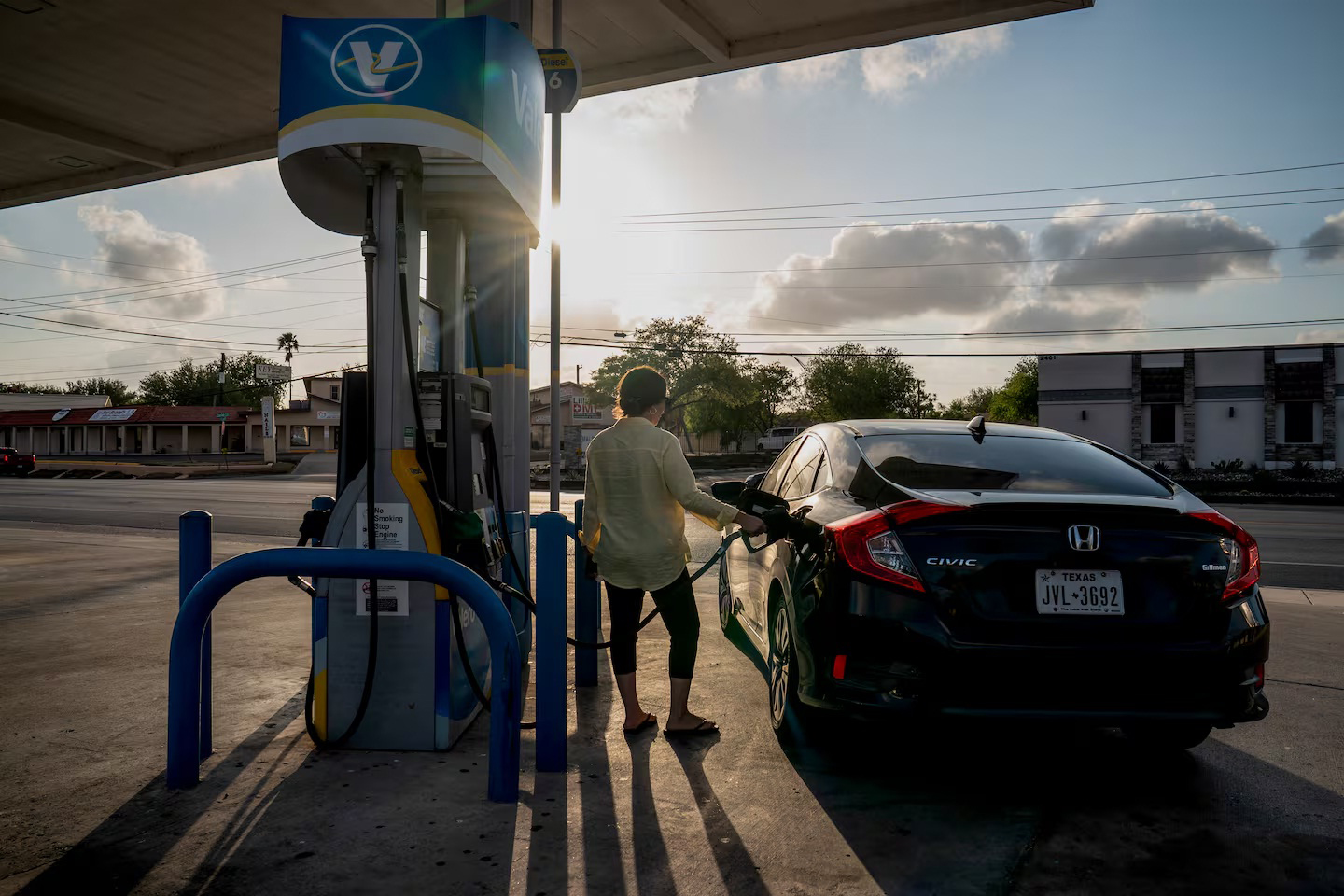
The primary impact of this price jump is felt at the gas pump. When gas prices go up, people have less money to spend on other things like clothes, electronics, or eating out. Because most people have to drive to work or the store, they cannot easily avoid paying these higher costs. This shift in spending can slow down the entire economy. Furthermore, the Federal Reserve might decide to keep interest rates high for a longer time to fight this inflation. High interest rates make it more expensive for people to get car loans or buy homes.
Key Details
What Happened
In March, the cost of gasoline went up by about 20 percent. This single change is the main reason why overall inflation is expected to look much worse in the upcoming report. For several months, inflation seemed to be getting better, but this new data shows a move in the wrong direction. Economists call this "sticker shock" because the change happened so fast that it surprised many people. While some other prices are staying steady, the cost of energy is pulling the total average up.
Important Numbers and Facts
Economists expect the yearly inflation rate to hit 3.4 percent for March. This is a big jump from the 2.4 percent rate seen in February. On a month-to-month basis, prices likely rose by 0.9 percent. This would be the largest one-month increase since 2022. At the gas station, the national average price for a gallon of gas reached $4.17. This is 69 cents higher than it was just one month ago. Even when you take out food and energy costs, other prices rose by about 2.7 percent over the last year.
Background and Context
To understand why this matters, we have to look at the last few years. In 2022, inflation reached a very high peak of 9.1 percent. Back then, the world was still dealing with the effects of the pandemic. Supply chains were broken, and the government had sent out stimulus checks, which meant people had extra money to spend. Today, the situation is different. People do not have extra stimulus money, and the job market is not as strong as it was two years ago. Companies are not hiring as quickly, and pay raises are smaller. This means that when gas prices go up now, it might hurt consumers even more because they do not have extra cash to cover the cost.
Public or Industry Reaction
Financial experts are closely watching the Federal Reserve's next move. Earlier this year, many people thought the Fed would lower interest rates soon. Now, because of this inflation spike, some experts think the Fed might actually raise rates instead. Investors who trade in the stock market are also worried. Many now believe that interest rate cuts will not happen until much later, perhaps not even until 2027. Economists from banks like UBS suggest that this situation looks more like the early 1990s, when high oil prices led to a period of slow economic growth rather than a long-term inflation crisis.
What This Means Going Forward
In the coming months, these high gas prices will likely affect other parts of the economy. For example, almost all groceries are moved by trucks that use diesel fuel. Since diesel prices are also rising, the cost of food at the supermarket will probably go up in a month or two. Travel will also become more expensive. Airlines and delivery services will likely raise their fees to cover their own fuel costs. The Federal Reserve faces a difficult choice: if they raise interest rates to stop inflation, they might cause people to lose jobs. If they do nothing, the cost of living will keep rising.
Final Take
The sudden rise in gas prices has interrupted the progress the country was making against inflation. While the economy is not in the same position it was during the pandemic, these higher costs put a heavy strain on everyday budgets. The next few months will be critical as the government and the Federal Reserve decide how to handle these rising costs without hurting the job market.
Frequently Asked Questions
Why are gas prices causing inflation to go up?
Gasoline is a major expense for most households. When gas prices rise, it increases the total amount of money people spend each month. It also makes it more expensive for companies to ship goods, which eventually leads to higher prices for many other products.
Will the Federal Reserve lower interest rates soon?
It is unlikely that interest rates will go down soon. Because inflation is higher than the Fed's 2 percent goal, they will probably keep rates where they are or consider raising them to help cool down the economy.
How does this compare to the high inflation of 2022?
In 2022, inflation was driven by high demand and government stimulus money. Today, demand is weaker and people have less extra savings. This means the current spike is mostly driven by energy costs rather than people spending more on everything.



