
Summary
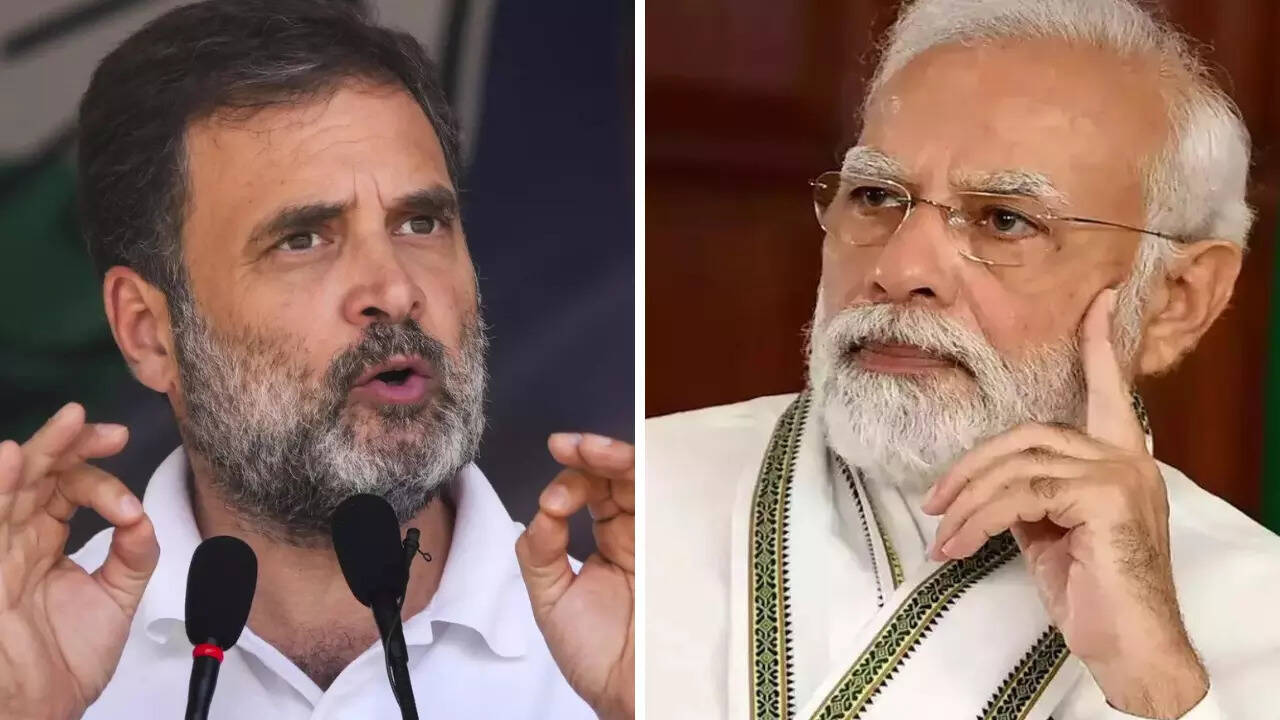
Prime Minister Narendra Modi recently spoke in Parliament about the rising cost of fuel and energy across the globe. During his speech, he compared the current fuel crisis to the challenges the world faced during the Covid-19 pandemic. This comparison quickly led to a strong response from opposition leader Rahul Gandhi. Gandhi criticized the Prime Minister for the remark, telling him not to forget the many people who died during the pandemic. The exchange has sparked a fresh debate about how the government is handling both the economy and foreign policy.
Main Impact
The Prime Minister’s comments have changed the focus of the political debate in India. By calling the fuel situation a crisis similar to a pandemic, the government is suggesting that high prices are a global problem that no single country can control. This approach aims to explain why petrol and diesel prices remain high despite public pressure. However, the impact of this statement has been controversial. It has reopened old wounds regarding the government's management of the health crisis in 2020 and 2021. For many citizens, the comparison feels insensitive because the pandemic involved a massive loss of life, while the fuel crisis is an economic and political issue.
Key Details
What Happened
In a heated session in Parliament, PM Modi addressed the concerns of the house regarding inflation and energy security. He argued that just as the Covid-19 virus spread across borders and affected every nation, the current energy shortage and high oil prices are a "global pandemic" of a different kind. He pointed toward international conflicts and supply chain problems as the main reasons for the struggle. Rahul Gandhi, representing the Congress party, stood up to challenge this view. He argued that using the memory of a deadly pandemic to explain away high fuel taxes was wrong. Gandhi also brought up other issues, such as the safety of Indian sailors and ships currently caught in conflict zones in West Asia.
Important Numbers and Facts
While the debate focused on words, the underlying facts involve the rising cost of crude oil on the international market. Prices have fluctuated significantly due to tensions in West Asia, which is a major source of oil for India. India imports more than 80% of its oil, making the country very sensitive to any changes in global supply. Additionally, the opposition pointed out that while global prices change, domestic taxes on fuel remain a large part of what citizens pay at the pump. The discussion also touched upon the status of several Indian merchant ships that have been unable to move safely through certain shipping lanes due to regional fighting.
Background and Context
To understand why this argument is happening, it is important to look at the current state of the world. There are several conflicts happening in West Asia that have made shipping difficult and dangerous. Because much of the world’s oil travels through these areas, any trouble there leads to higher prices everywhere. The Indian government has been trying to balance its relationships with different countries in that region to ensure a steady flow of energy. At the same time, the memory of the Covid-19 pandemic remains a very sensitive topic in India. Millions of families were affected, and the healthcare system faced extreme pressure. This is why any comparison between the pandemic and economic issues usually leads to a strong emotional and political reaction.
Public or Industry Reaction
The reaction to the Prime Minister's speech has been split. Supporters of the government say that the PM is right to point out that India cannot control global oil markets. They believe the comparison helps people understand that the government is doing its best in a very difficult global situation. On the other hand, critics and social media users have sided with Rahul Gandhi. They argue that the government should focus on lowering local taxes instead of making comparisons to a time of national mourning. Business leaders in the transport industry have also expressed concern, noting that high fuel costs are making it more expensive to move food and goods across the country, which leads to higher prices for everyone.
What This Means Going Forward
Looking ahead, the government will likely face more pressure to provide relief to consumers. If fuel prices do not go down, the opposition will continue to use this "pandemic" comparison against the ruling party. There is also the matter of foreign policy. Rahul Gandhi’s comments about India’s position in West Asia suggest that the opposition will keep a close eye on how the government protects Indian interests abroad. The safety of Indian ships and sailors will be a key priority. If the conflict in West Asia gets worse, the government may need to find new ways to secure oil or speed up the move toward green energy to reduce dependence on foreign imports.
Final Take
The debate in Parliament shows a deep divide in how the government and the opposition view the country's biggest problems. While the Prime Minister sees the fuel crisis as an unavoidable global event, the opposition sees it as a failure of local policy and a lack of empathy for past hardships. As energy costs continue to affect the daily lives of millions, the language used by leaders will be just as important as the policies they create. The focus now remains on whether the government can stabilize prices and ensure the safety of its citizens working in troubled regions abroad.
Frequently Asked Questions
Why did PM Modi compare the fuel crisis to Covid-19?
The Prime Minister used the comparison to show that the fuel crisis is a global problem affecting all countries, much like the pandemic was. He wanted to highlight that the causes are outside of India's direct control.
What was Rahul Gandhi’s main objection?
Rahul Gandhi argued that the comparison was disrespectful to those who died during the pandemic. He believes the government is using the comparison to avoid taking responsibility for high fuel prices and taxes.
How does the West Asia conflict affect India?
The conflict in West Asia can disrupt oil supplies and make shipping routes dangerous. This leads to higher oil prices globally, which increases the cost of petrol, diesel, and everyday goods in India.



