
Summary
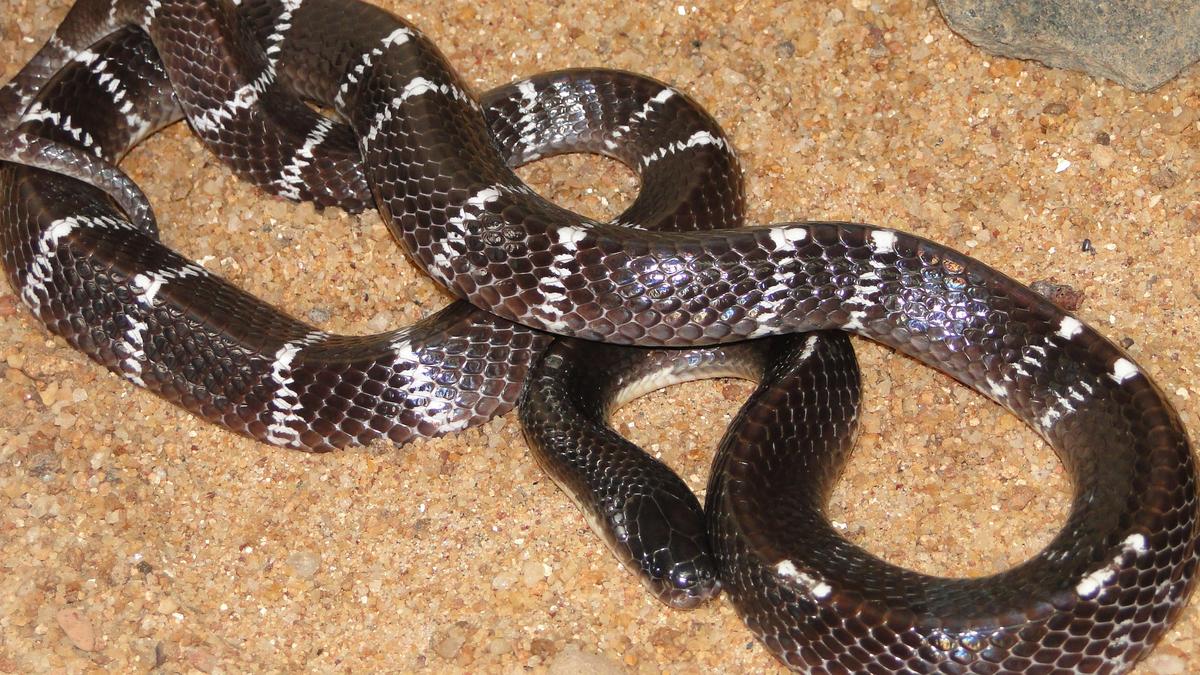
A family in the Kozhikode district of Kerala experienced a terrifying situation when they discovered five venomous snakes inside their home. The incident has caused a wave of fear across the local neighborhood, leading residents to stay on high alert. Wildlife experts were called to the scene to safely remove the reptiles and release them back into the wild. This event serves as a serious reminder of the risks posed by wildlife entering human living spaces, especially in areas with heavy vegetation.
Main Impact
The discovery of multiple dangerous snakes in a single house has changed how people in the area view their safety. It is not common to find so many venomous snakes in one spot inside a building. This has led to an immediate increase in calls to the local forest department and snake rescue teams. People are now much more worried about the safety of their children and pets. The event has also started a conversation about how changes in the environment are forcing wild animals to seek shelter in human homes.
Key Details
What Happened
The incident took place in a quiet residential part of Kozhikode. The family living in the house first noticed movement near a storage area inside their home. Upon closer inspection, they were shocked to see a large snake. As they began to look around more carefully, they found four more snakes hiding in different corners of the house. Most of the snakes were found in dark, cool spots where they could stay hidden from view.
The family immediately left the house and contacted local authorities. A professional snake catcher arrived shortly after and confirmed that all five snakes were venomous. The process of capturing them took several hours as the rescue team had to ensure no one was bitten and that the snakes were not harmed. The snakes were placed in secure bags and later moved to a forested area far away from human homes.
Important Numbers and Facts
The rescue team identified the snakes as highly venomous species common to the region. Finding five such snakes in one house is considered a rare occurrence. Local records show that snake sightings usually increase during the rainy season, but this specific incident happened during a period of changing weather. Experts noted that the snakes were of different sizes, suggesting they might have entered the house at different times or were attracted to the same hiding spot because it was quiet and undisturbed.
Background and Context
Kerala is known for its rich green environment and diverse wildlife. However, as cities and towns grow, the natural homes for snakes and other animals are shrinking. Kozhikode has many areas where houses are built close to small forests or overgrown plots of land. When their natural habitats are disturbed by construction or weather changes, snakes often look for new places to stay.
In many cases, snakes enter homes looking for food, such as rats or frogs. If a house has a lot of clutter, old boxes, or piles of wood nearby, it becomes an attractive place for a snake to hide. In Kerala, the government has introduced digital tools like the "Sarpa" mobile app to help citizens report snake sightings and get professional help quickly. This system has been very helpful in saving both human lives and the lives of the snakes.
Public or Industry Reaction
The news of the five snakes spread quickly through social media and local news groups. Neighbors have expressed deep concern, with many saying they are now afraid to walk in their gardens at night. Some residents have started cleaning up their yards and removing tall grass to make their properties less inviting to reptiles. Local community leaders have asked the forest department to conduct awareness programs to teach people how to identify venomous snakes and what to do if they find one.
Wildlife experts have urged the public not to panic. They explained that snakes do not usually attack humans unless they feel trapped or threatened. They have advised people not to try and kill the snakes themselves, as this is when most bites happen. Instead, they recommend keeping the house clean and blocking any small holes or gaps in doors and windows.
What This Means Going Forward
This incident will likely lead to stricter rules about maintaining empty plots of land in residential areas. When land is left overgrown, it becomes a breeding ground for snakes. Local authorities may start asking landowners to clear bushes and tall grass more regularly. For homeowners, the focus will be on "snake-proofing" their houses. This includes installing door sweeps, fixing broken window screens, and ensuring that there are no rodents around the house that might attract snakes.
There is also a push for more training for local rescue volunteers. As these incidents become more frequent, having more people who know how to handle snakes safely will be very important. The goal is to ensure that humans and wildlife can live near each other without constant fear or danger.
Final Take
Finding five venomous snakes in a home is a frightening experience that highlights the thin line between human life and nature. While the situation in Kozhikode ended safely without any injuries, it serves as a wake-up call for everyone living in areas close to nature. Staying alert, keeping the environment clean, and knowing how to reach professional rescuers are the best ways to stay safe. Respecting wildlife from a distance is key to preventing such scary encounters in the future.
Frequently Asked Questions
What should I do if I find a snake in my house?
Do not try to catch or kill the snake. Keep a safe distance, keep an eye on where it goes, and call a professional snake rescuer or the local forest department immediately.
Why do snakes enter human homes?
Snakes usually enter homes looking for food like mice, or seeking shelter from extreme heat, heavy rain, or habitat loss. They prefer dark, quiet, and cool places to hide.
How can I prevent snakes from coming near my home?
Keep your yard clean by cutting tall grass and removing piles of wood or trash. Ensure there are no gaps under doors and keep your home free of rodents, which are a primary food source for snakes.



