
Summary
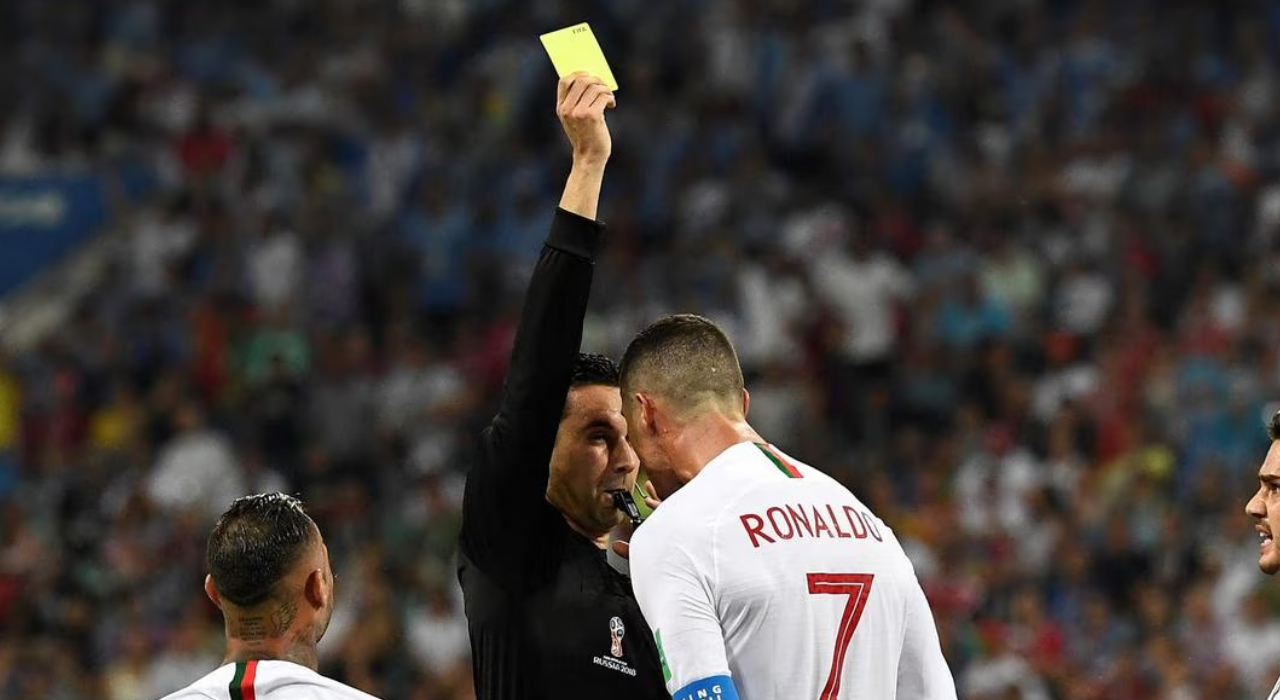
FIFA has announced a significant change to the yellow card rules for the 2026 World Cup. As the tournament grows to include 48 teams, the governing body is introducing a new system to manage player discipline. This update includes two specific points where yellow cards will be cleared from a player's record. The goal is to prevent key players from missing the most important matches of the tournament due to minor fouls accumulated over a longer schedule.
Main Impact
The primary impact of this rule change is that it protects the quality of the competition in the later stages. By resetting yellow cards at two different intervals, FIFA is making it harder for a player to be suspended for the semi-finals or the final. This change affects every participating nation and ensures that the biggest stars have a better chance of staying on the pitch. It balances the need for on-field discipline with the desire to see the best talent compete in the high-stakes knockout rounds.
Key Details
What Happened
For the 2026 World Cup, FIFA is moving away from the traditional yellow card accumulation rules used in previous 32-team tournaments. Because the new format includes more matches, the risk of players picking up two yellow cards over several weeks has increased. To fix this, FIFA will now wipe the yellow card records at two separate stages: once after the group stage ends and again after the quarter-finals are finished. This means a player who receives a yellow card in the group stage will start the knockout rounds with a clean slate. Similarly, a card received in the round of 16 or the quarter-finals will not count toward a suspension in the semi-finals.
Important Numbers and Facts
The 2026 World Cup will be the largest in history, featuring 48 teams instead of the usual 32. This expansion means the total number of matches will jump to 104. Teams that reach the final will now have to play eight matches instead of seven. Because of this extra game, an additional knockout round called the Round of 32 has been added. Under the old rules, a player only needed two yellow cards across any of these games to trigger an automatic one-match ban. The new system provides two "reset points" to account for this longer journey to the trophy.
Background and Context
In football, a yellow card is a formal caution given to a player for misconduct or a foul. If a player receives two yellow cards in two different matches during a tournament, they are usually banned from playing in the next game. In the past, fans and coaches often complained when world-class players missed a World Cup semi-final or final because of two relatively small mistakes made weeks apart. FIFA previously tried to solve this by resetting cards after the quarter-finals. However, with the 2026 tournament lasting longer and having more rounds, a single reset was no longer considered enough to keep the competition fair and exciting.
Public or Industry Reaction
Football experts and national team coaches have generally welcomed the news. Most agree that the fans want to see the best players available for the biggest games. Missing a World Cup final because of a tactical foul in an early round is often seen as too harsh a punishment. However, some critics argue that this might encourage more aggressive play. If players know their cards will be wiped clean twice, they might feel more comfortable taking "professional fouls" to stop an opponent, knowing the long-term risk of suspension is lower. Despite these concerns, the focus remains on ensuring the final matches of the tournament feature the strongest possible lineups.
What This Means Going Forward
This rule change sets a new standard for how discipline is handled in large-scale international tournaments. As more competitions expand their formats to include more teams and more games, we may see other organizations like UEFA or CONMEBOL adopt similar multi-reset systems. For the 2026 World Cup specifically, teams will likely adjust their strategies. Coaches can be more aggressive in the group stages knowing that their players will get a fresh start once they reach the knockout rounds. It also reduces the stress on referees, who often feel immense pressure when showing a card that might result in a star player missing a historic match.
Final Take
The update to the yellow card system is a practical response to the growth of the World Cup. By acknowledging that a longer tournament requires a different approach to discipline, FIFA is prioritizing the entertainment value and fairness of the game. This change ensures that the road to the 2026 trophy is decided by skill and performance on the field rather than by administrative bans for minor infractions. It is a win for the players, the teams, and the millions of fans watching around the world.
Frequently Asked Questions
When do the yellow cards reset in the 2026 World Cup?
Yellow cards will be cleared from a player's record at two points: after the group stage is completed and after the quarter-finals are over.
Why did FIFA change the yellow card rules?
The tournament has expanded to 48 teams and more matches. The change prevents players from being suspended for the final rounds due to accumulating cards over a much longer schedule.
Does a red card still result in a suspension?
Yes. The reset only applies to yellow cards. A red card, whether it is a direct red or two yellows in the same match, will still result in an immediate suspension for the following game.

