Summary
The U.S. Food and Drug Administration (FDA) is about to decide if certain wellness peptides can be legally mixed by specialty pharmacies. This decision could open up a huge new market for telehealth companies like Hims & Hers. Peptides are small protein fragments that people inject to try to speed up recovery, boost energy, or slow aging. If the FDA approves them, it could create a multibillion-dollar industry similar to the one built on cheaper versions of weight-loss drugs like Ozempic.
Main Impact
The FDA's advisory committee will meet on July 23 and 24 to review seven popular peptides, including BPC-157 and TB-500. These are the same injectables often used by biohackers and wellness enthusiasts. If the committee recommends approval, telehealth companies are ready to jump in. They see this as the next big growth area after the boom in compounded GLP-1 weight-loss drugs. The market for these peptides, including gray-market sales, is estimated at roughly $30 billion.
Key Details
What Happened
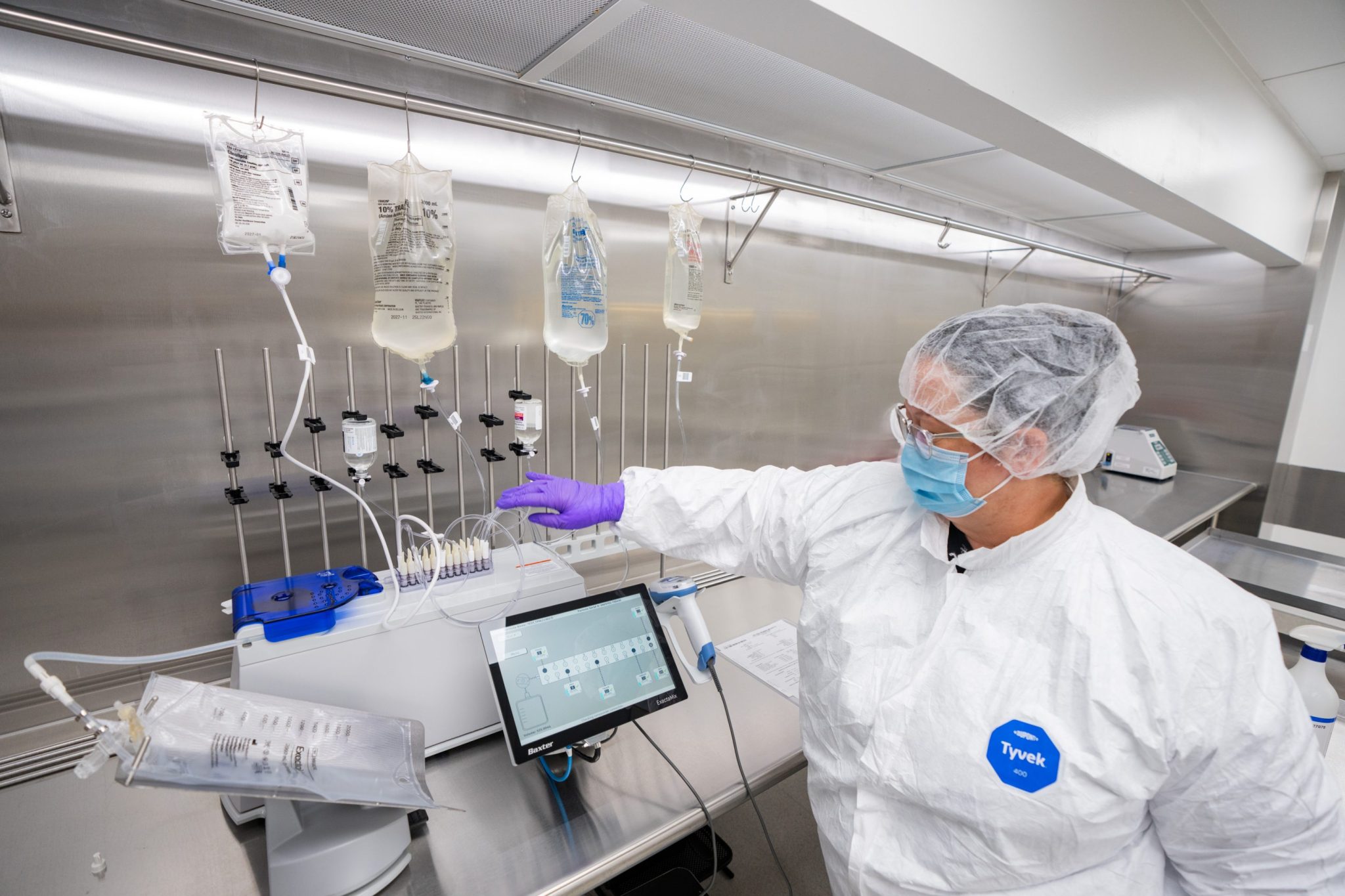
The FDA's compounding advisory committee will decide whether to add seven peptides to its list of bulk drug substances that can be legally mixed by compounding pharmacies. This would allow specialty pharmacies to produce and sell these peptides legally, instead of relying on unregulated gray-market sources. Companies like Hims & Hers have already signaled their interest, with their chief medical officer set to testify at the hearing.
Important Numbers and Facts
The addressable market for peptides, including GLP-1 add-ons and general health-optimization products, is estimated at $30 billion. The FDA hearing is scheduled for July 23-24. A final decision on excluding popular weight-loss drugs from the compounding list has been pushed to July 30. Telehealth companies expect a flood of new peptide programs if the FDA gives the green light.
Background and Context
Peptides are tiny protein fragments that users inject to try to improve recovery, energy, and aging. Unlike standard drugs, many popular peptides have never gone through large, controlled human trials. They are often sold as "research chemicals" outside normal drug-approval channels. This gray market has grown rapidly, but it lacks safety data, especially when users stack multiple compounds at once. The FDA's decision could bring these products into a regulated system, ensuring they are sterile, correctly dosed, and properly labeled.
Public or Industry Reaction
Industry insiders are watching closely. Michelle Davey, CEO of telehealth infrastructure company Wheel, predicts that big telehealth players will move in fast once peptides get approval. She expects a wave of copycat telehealth sites launching peptide programs, similar to what happened with GLP-1 drugs. Jon Keidan, a venture capitalist who invested in telehealth company Ro, says everyone wins when there is compliance. He believes consumers will get safer products, legitimate operators will build durable businesses, and regulators will be able to monitor the market.
What This Means Going Forward
If the FDA approves these peptides, it could transform the telehealth industry. Companies like Hims & Hers are already preparing to offer peptide therapies through vetted pharmacies. However, there are risks. Peptide users often take multiple compounds at once, and there is little long-term safety data on these combinations. The real fight is over whether demand flows through a regulated, doctor-led system or stays in the gray market. Either way, the demand for these products is not going away.
Final Take
The FDA's peptide vote could be a turning point for telehealth. It has the potential to create a new multibillion-dollar market, but it also raises important questions about safety and regulation. The decision will shape whether these products become mainstream or remain in the shadows. For now, all eyes are on the July 23-24 hearing.
Frequently Asked Questions
What are peptides and why are they popular?
Peptides are small protein fragments that people inject to try to speed up recovery, boost energy, or slow aging. They have become popular among biohackers and wellness enthusiasts, even though many have not been approved by the FDA for these uses.
What is the FDA deciding about peptides?
The FDA's compounding advisory committee is reviewing seven peptides to decide if they can be legally mixed by specialty pharmacies. This would allow them to be sold through regulated channels instead of the unregulated gray market.
How could this affect telehealth companies?
If approved, telehealth companies like Hims & Hers could offer peptide therapies as a new service. This could create a multibillion-dollar market similar to the one built on cheaper versions of weight-loss drugs like Ozempic.