
Summary
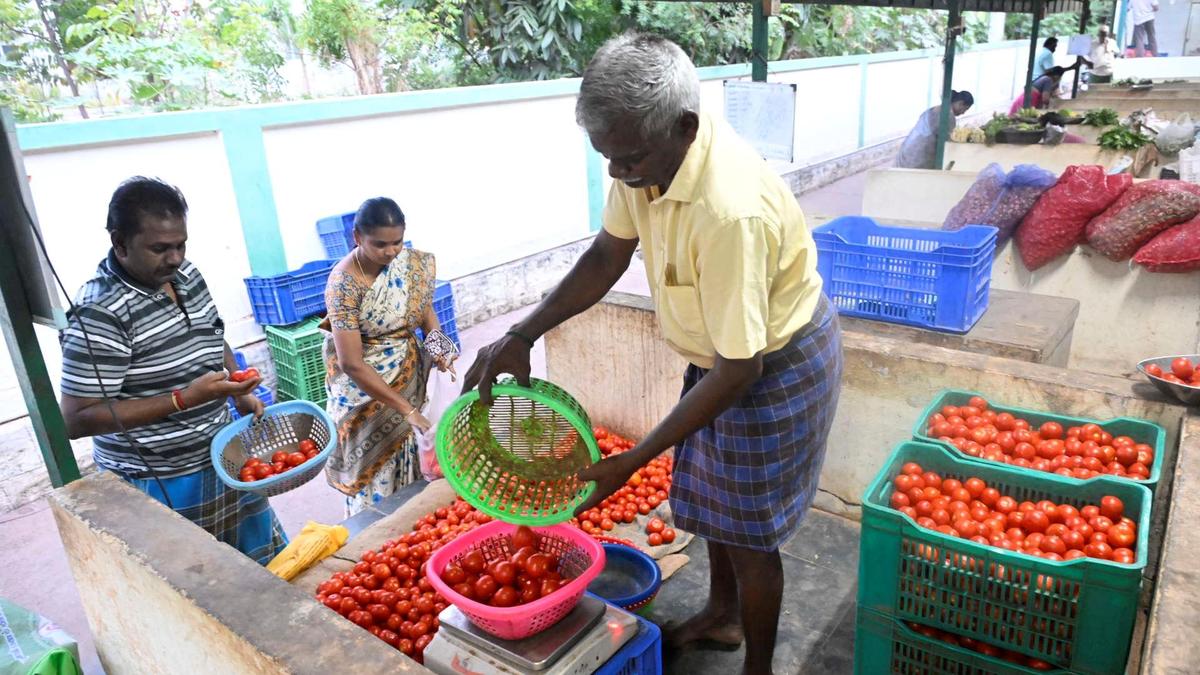
Tomato prices in Erode have started to climb quickly due to a sharp drop in the amount of produce reaching local markets. This supply shortage has forced traders to increase rates, making the essential vegetable more expensive for the average household. The situation is caused by a combination of seasonal changes and lower crop yields in the regions that usually supply the city. As a result, both consumers and small business owners are feeling the financial pressure of rising food costs.
Main Impact
The most direct impact of this price hike is felt in the daily lives of local residents. Tomatoes are a basic ingredient in almost every meal, and a sudden rise in cost disrupts the monthly food budget for many families. When the price of a staple item like this goes up, it often leads to a chain reaction where the cost of prepared food in small hotels and roadside stalls also increases. For many people, the only choice is to buy fewer tomatoes or look for cheaper alternatives, though finding a substitute for the unique taste of tomatoes is difficult.
Beyond the kitchen, the impact stretches to the local economy. Small-scale vegetable vendors are seeing fewer customers. When prices are high, people tend to buy only what is absolutely necessary. This lower demand, combined with the high cost of buying stock from wholesalers, puts a lot of stress on the people who sell vegetables for a living. If they cannot sell their stock quickly, they risk losing money because tomatoes are perishable and spoil fast in the heat.
Key Details
What Happened
In the last few days, the volume of tomatoes arriving at the Erode Nethaji Daily Market and other smaller markets has fallen significantly. Usually, hundreds of crates arrive every morning from nearby farming towns and neighboring states. However, the number of trucks entering the market has decreased by nearly half. This lack of supply has created a gap in the market, allowing prices to jump in a very short amount of time. Traders mention that the quality of the tomatoes arriving is also mixed, as farmers struggle with the current weather conditions.
Important Numbers and Facts
The price of a kilogram of tomatoes has moved from a steady range of 30 to 40 rupees up to 70 or 80 rupees in some retail spots. In the wholesale market, a 15-kilogram crate that used to cost a few hundred rupees is now selling for much more. Market reports show that the daily arrival of tomatoes has dropped from several tons to nearly 50% of the usual volume. These figures highlight how sensitive the local market is to even small changes in the supply chain. Most of the supply for Erode comes from places like Thalavadi, Krishnagiri, and parts of Karnataka, all of which are reporting lower harvests right now.
Background and Context
Tomatoes are a very sensitive crop. They require the right amount of water and a specific temperature to grow well. In recent months, the weather has been unpredictable. Some areas faced too much heat, which caused the flowers on the tomato plants to drop off before they could turn into fruit. In other areas, a lack of timely rain has led to smaller harvests. Because tomatoes cannot be stored for a long time like potatoes or onions, any problem at the farm level shows up in the city markets almost immediately.
Erode serves as a major hub for vegetable trading in this part of the state. It does not just feed the city but also supplies smaller villages nearby. When the supply at the main market in Erode fails, the effect is felt across the entire district. This is a recurring issue that often happens during the transition between seasons, but the current spike is sharper than what many people expected for this time of year.
Public or Industry Reaction
The reaction from the public has been one of concern and frustration. Many shoppers at the Nethaji Market expressed that they have had to cut their vegetable purchases by half. "We used to buy two kilos for the week, but now we are only buying one," said one local resident. This sentiment is common among many who are already dealing with the rising costs of other essential goods like cooking oil and pulses.
Traders and wholesalers are also worried. They explain that they do not like high prices because it reduces the volume of trade. When prices are stable, they can move large amounts of produce quickly. Now, they have to be careful about how much they buy from farmers, fearing that if they buy too much at a high price, they might not be able to sell it all before the tomatoes go bad. Some restaurant owners have even started using more tamarind or other souring agents to reduce their reliance on expensive tomatoes in their recipes.
What This Means Going Forward
In the coming weeks, the price of tomatoes will depend entirely on the arrival of new harvests. If the weather improves and the next round of crops is ready for picking, the supply will increase, and prices will naturally come down. However, if the heat continues to damage the plants, the high prices could last for another month. Agriculture experts are monitoring the situation in major growing zones to see if the supply will stabilize soon.
For the government and local authorities, this situation highlights the need for better cold storage facilities. If there were ways to keep tomatoes fresh for longer, the market would not see such wild price swings. For now, consumers are advised to keep an eye on market rates and adjust their shopping habits. It is likely that prices will remain volatile until the supply from neighboring states like Karnataka returns to its normal level.
Final Take
The current rise in tomato prices in Erode is a clear example of how much our food costs depend on the weather and steady transport. While this is a difficult time for many households, it is a temporary situation that usually fixes itself once the harvest cycle resets. Until then, the community will have to manage with higher costs and hope for a better supply in the near future.
Frequently Asked Questions
Why are tomato prices rising in Erode?
Prices are rising because the amount of tomatoes coming into the local markets has dropped by nearly half. This is due to poor harvests caused by bad weather in the regions that grow them.
Where does Erode get its tomatoes from?
Erode gets most of its tomatoes from local areas like Thalavadi, as well as from other districts like Krishnagiri and the neighboring state of Karnataka.
When will the prices go back to normal?
Prices are expected to stay high until the next harvest arrives at the market. This usually takes a few weeks, depending on the weather conditions in the farming regions.



