
Summary
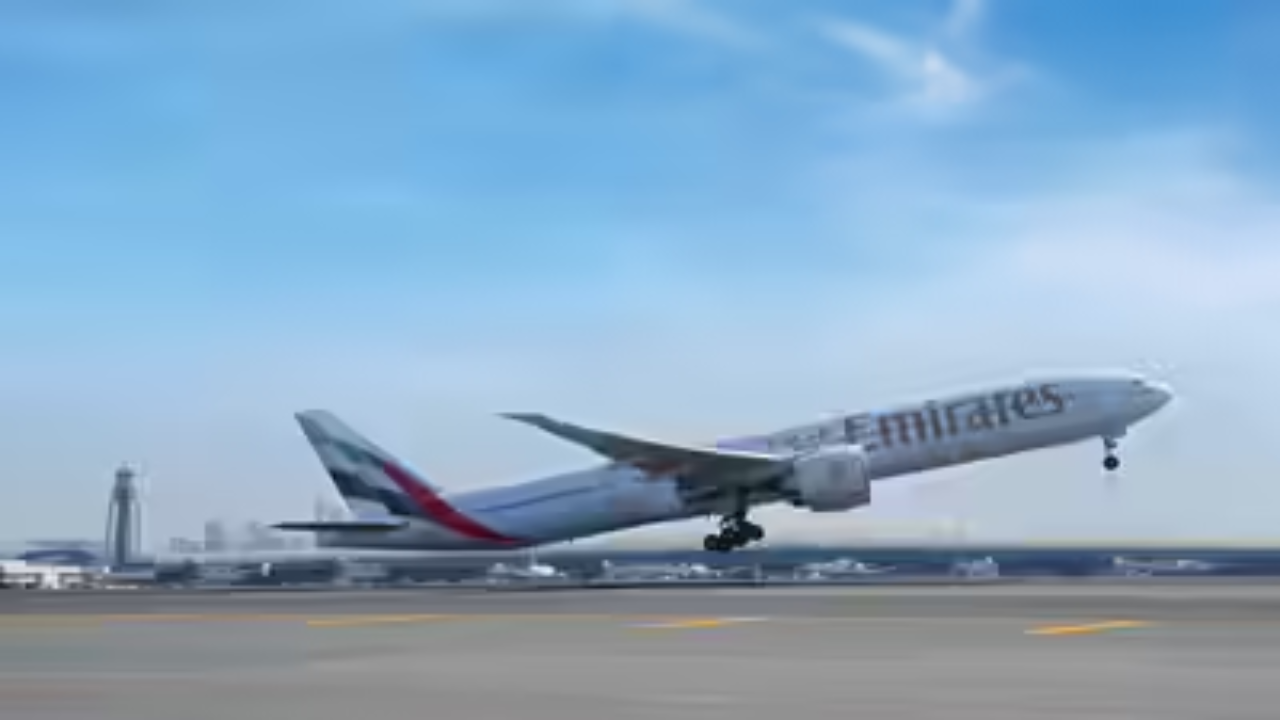
An Emirates flight traveling from Chennai to Dubai was forced to turn around and return to its starting point after reports of drone activity at Dubai International Airport. The flight, which was already well into its journey, had to go back to Chennai to ensure the safety of all passengers and crew members. This incident caused major travel disruptions and highlights the growing problem of unauthorized drones flying near busy airports.
Main Impact
The decision to turn the plane back had a direct impact on hundreds of travelers who were expecting to reach the Middle East on time. Because Dubai International Airport is one of the busiest travel hubs in the world, any closure of its airspace creates a massive ripple effect. Not only were the passengers on the Chennai flight delayed, but many others waiting for connecting flights in Dubai missed their next trips. This event also forced the airline to reorganize its flight schedules and find temporary housing or alternative flights for those stuck in Chennai.
Key Details
What Happened
The flight, identified as Emirates flight EK543, took off from Chennai International Airport as part of its regular schedule. While the aircraft was in the air, authorities at Dubai International Airport detected a drone flying in the restricted airspace near the runways. For safety reasons, the airport stopped all arrivals and departures. The pilots of EK543 were informed that they could not land in Dubai. After evaluating the situation and checking fuel levels, the airline decided the best course of action was to return the plane to Chennai rather than waiting in the air or landing at a different nearby airport.
Important Numbers and Facts
The flight from Chennai to Dubai usually takes about four hours and thirty minutes. The plane had already been flying for a significant portion of that time before it was told to turn back. Dubai International Airport handles over 80 million passengers a year, meaning even a 30-minute delay can affect dozens of flights. In this case, the drone sighting caused a total halt in operations for a short period, but the backlog of flights took much longer to clear. Security teams were sent to find the drone operator, as flying drones near airports is strictly illegal in the United Arab Emirates.
Background and Context
Drones have become a serious worry for the aviation industry over the last few years. While they are often used for fun or photography, they pose a major risk to large airplanes. If a drone gets sucked into a jet engine or hits a cockpit window, it can cause a crash. Because drones are small and made of plastic and metal, they are very hard for traditional airport radar to see. This is why airports have very strict "no-fly zones" that extend for several miles around the runways. In the past, similar drone sightings at airports like London Gatwick have shut down travel for days, costing airlines millions of dollars and leaving thousands of people stranded.
Public or Industry Reaction
Passengers on the flight expressed a mix of frustration and understanding. Many were upset about the long delay and the fact that they had to fly all the way back to where they started. However, most agreed that safety should always come first. Aviation experts have praised the airline for making a quick decision to return to Chennai. They noted that circling in the air for hours waiting for an airport to reopen can be dangerous because planes eventually run low on fuel. Industry leaders are now calling for tougher laws and better technology to stop drones from entering airport space.
What This Means Going Forward
This incident will likely lead to even tighter security measures regarding drone use. Governments are looking into "geo-fencing" technology, which uses software to prevent drones from flying into specific areas like airports. If a drone tries to enter a restricted zone, the software automatically stops it or forces it to land. Additionally, airports are investing in new types of radar and signal-jamming tools that can knock a drone out of the sky without hurting anyone. For travelers, this serves as a reminder that modern flight schedules can be easily disrupted by small gadgets, and it is always wise to have travel insurance for such unexpected events.
Final Take
The return of the Emirates flight to Chennai shows how much a single small drone can disrupt global travel. While it was a major inconvenience for the passengers, the choice to put safety above the schedule was the right one. As drones become more common, the world must find better ways to keep them away from the paths of large passenger planes to prevent future delays and keep the skies safe for everyone.
Frequently Asked Questions
Why can't planes just fly around a drone?
Airplanes follow very specific paths when landing and taking off. A drone is small and moves unpredictably, making it impossible for a pilot to safely avoid it while also staying on the correct flight path. The risk of a collision is too high to ignore.
What happens to the passengers when a flight turns back?
Usually, the airline will provide meals and help passengers book a new flight. If the delay is very long or happens overnight, the airline may provide a hotel room. In this case, Emirates worked to get passengers back on the next available flight to Dubai once the airport reopened.
Is it illegal to fly a drone near an airport?
Yes, in almost every country, it is a serious crime to fly a drone near an airport. People who do this can face heavy fines or even go to prison because they are putting hundreds of lives at risk.



