Summary
The Mexican military recently killed Nemesio Oseguera Cervantes, the leader of the Jalisco New Generation Cartel. Known as "El Mencho," he was one of the most wanted men in both Mexico and the United States. His death has triggered a massive wave of violence across the country as cartel members reacted with anger and force. This event marks the most significant blow to organized crime in Mexico in over a decade, but it also brings new risks of instability.
Main Impact
The immediate impact of the operation was felt across 20 Mexican states. Cartel members set fire to vehicles and used them to block major roads, sending smoke into the sky and creating fear in many cities. In Guadalajara, the country’s second-largest city, residents stayed indoors and schools were closed to keep students safe. This show of force by the cartel suggests that while their leader is gone, the group remains highly organized and capable of causing widespread disruption.
On a political level, this operation helps the Mexican government show the United States that it is taking strong action against drug traffickers. This comes at a time when the U.S. government has been threatening to use tariffs or military pressure if Mexico does not do more to stop the flow of drugs across the border.
Key Details
What Happened
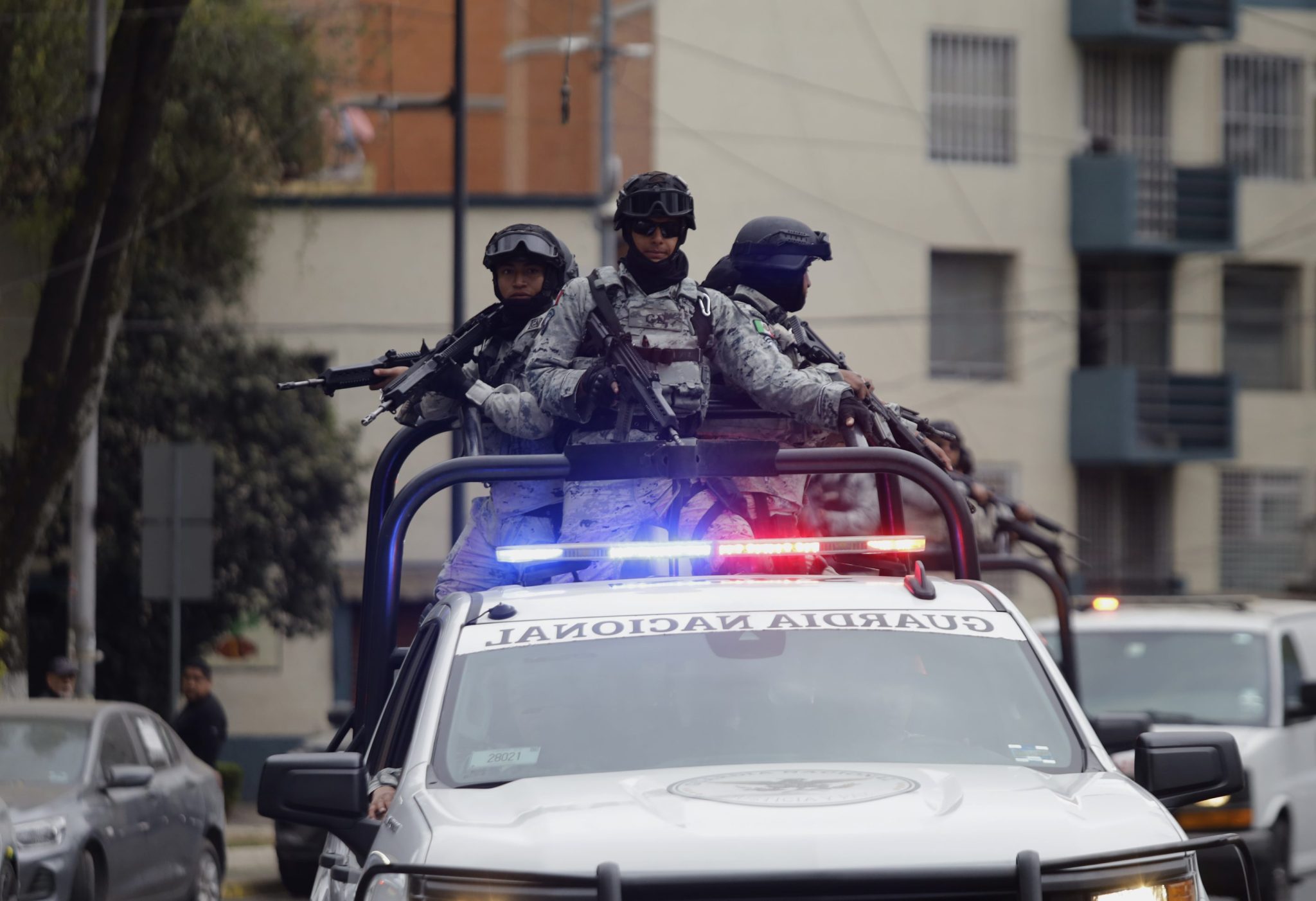
The Mexican Defense Department reported that the army, special forces, and the Air Force launched a joint operation in the southern part of Jalisco state. Their goal was to capture El Mencho. During the mission, a heavy gunfight broke out between soldiers and cartel members. El Mencho was wounded during the battle and died while he was being transported by air to Mexico City. During the raid, the military seized high-powered weapons, including rocket launchers that can take down planes and destroy armored trucks.
Important Numbers and Facts
- $15 Million: The reward the U.S. government had offered for information leading to El Mencho’s arrest.
- 20 States: The number of Mexican states that experienced road blocks and violence following the leader's death.
- 21 States: The number of Mexican states where the Jalisco New Generation Cartel is known to operate.
- 59 Years Old: The age of Nemesio Oseguera Cervantes at the time of his death.
- 3 Decades: The amount of time El Mencho spent involved in organized crime.
Background and Context
El Mencho was a former police officer who turned to a life of crime. He spent time in a U.S. prison in the 1990s for selling heroin before returning to Mexico. Around 2009, he founded the Jalisco New Generation Cartel (CJNG). Under his leadership, the group grew faster than any other criminal organization in the country. They became famous for using extreme violence and modern technology, such as drones carrying explosives and homemade bombs.
The cartel did not just sell drugs like fentanyl and cocaine. They also made money through human trafficking, stealing fuel, and even running scams related to vacation timeshares. They were known for being bold enough to attack high-ranking government officials and military helicopters, making them a top priority for law enforcement in both Mexico and the U.S.
Public or Industry Reaction
U.S. officials have praised the operation. Christopher Landau, a former U.S. ambassador to Mexico, congratulated the Mexican forces for their success. Security experts believe this move was timed to show the Trump administration that Mexico is a reliable partner in the fight against drugs. Mike Vigil, a former high-ranking official with the DEA, noted that the information for the raid came mostly from Mexican intelligence, proving their ability to handle high-level targets.
However, some security analysts are worried. They point out that El Mencho ruled his cartel like a dictator. Without him, there is a "power vacuum," which means different members might fight each other to become the new boss. This internal fighting often leads to even more violence in local communities.
What This Means Going Forward
The biggest fear now is that Mexico could enter a period of "narcoterrorism." This term refers to when cartels use terrorist tactics, like car bombs and assassinations of public figures, to scare the government into backing down. Some experts compare the current situation to Colombia in the 1990s, when drug lords fought a bloody war against the state. If the Jalisco cartel feels it has nothing left to lose, they may increase their attacks on civilians and government buildings.
There is also the question of the Sinaloa cartel, which is the main rival of the Jalisco group. The Sinaloa cartel is currently dealing with its own internal leadership struggles. If they see the Jalisco cartel as weak, they may try to take over their territory, leading to more battles between the two groups.
Final Take
The death of El Mencho is a major victory for law and order, but it is not the end of the drug war. While the government has removed a powerful leader, the organization he built is still active and dangerous. The coming weeks will be a critical test for Mexico. The government must decide if it will use this moment to push even harder against the cartels or if it will struggle to contain the chaos that often follows the removal of a major crime boss.
Frequently Asked Questions
Who was El Mencho?
Nemesio Oseguera Cervantes, known as El Mencho, was the leader of the Jalisco New Generation Cartel. He was considered the most powerful and violent drug lord in Mexico following the arrest of El Chapo.
Why did his death cause so much violence?
Cartel members often use violence, such as burning cars and blocking roads, to distract the military and show their power after a leader is killed or captured. It is a way to protest the government's actions and create chaos.
What is narcoterrorism?
Narcoterrorism is when drug cartels use acts of terror, like bombings and targeted killings, to influence or intimidate the government and the public. Experts fear Mexico could see more of this as cartels face more pressure from the military.