
Summary
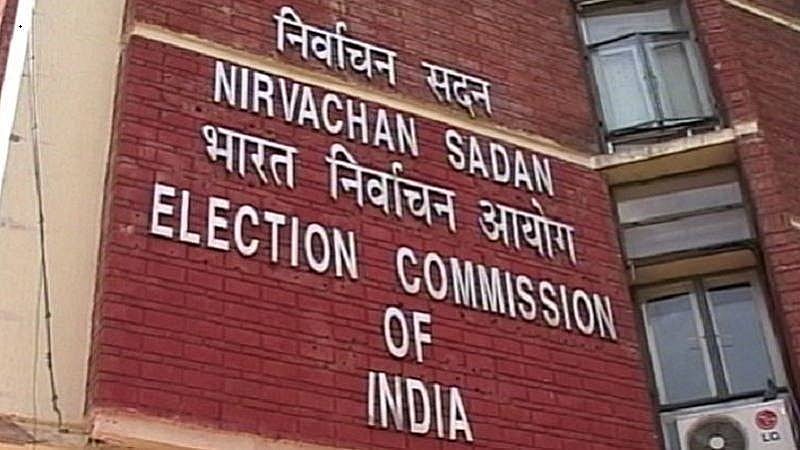
The Election Commission of India (ECI) has introduced a new way for political parties to reach voters. For the upcoming assembly elections, recognized national and state parties will receive digital vouchers for free airtime on government-run television and radio. This system ensures that all major parties can share their messages on Doordarshan and All India Radio without having to pay for the time. The goal is to make sure every party has a fair chance to speak to the public, regardless of how much money they have for advertising.
Main Impact
This decision creates a more balanced environment for political campaigning. In many elections, parties with the most money can buy the most ads, which often leaves smaller or regional parties at a disadvantage. By providing free, guaranteed slots on state media, the ECI is helping to level the playing field. This move also brings the election process further into the digital age by using electronic vouchers instead of old paper systems. It makes the process of giving out airtime faster, more transparent, and harder to manipulate.
Key Details
What Happened
The Election Commission has officially started giving out these digital time vouchers to political parties. These vouchers are for use in regions where elections are about to happen, including Assam, Kerala, Puducherry, Tamil Nadu, and West Bengal. The parties can use these vouchers to broadcast their campaign speeches and programs. To make sure the timing is fair, the commission will hold a "draw of lots." This is like a lottery where officials and party members watch to see who gets which time slot. This prevents any single party from always getting the best viewing times, such as in the evening when more people are watching TV.
Important Numbers and Facts
The system follows a specific set of rules to decide how much time each party gets. Every recognized party starts with a basic amount of 45 minutes of free airtime. This time is split between Doordarshan (the TV network) and All India Radio. On top of this basic 45 minutes, parties can get extra time based on how well they did in previous elections. The more votes a party received in the past, the more additional minutes they are given. The broadcasts will start once the final list of candidates is ready. However, all campaigning on these channels must stop 48 hours before the actual voting begins. This "silence period" is meant to give voters a chance to think quietly before they cast their ballots.
Background and Context
This initiative is not just a random choice by the commission. It is based on a law called Section 39A of the Representation of the People Act, 1951. This law was created to make sure that state-owned media is used for the public good during elections. In India, Doordarshan and All India Radio have a very wide reach, especially in rural areas where private cable TV or high-speed internet might not be available to everyone. By using these platforms, the government ensures that even the most remote voters can hear what different political parties are promising. The use of digital vouchers is a modern update to this long-standing rule, making it easier for the ECI to track and manage the time given to each group.
Public or Industry Reaction
The move has generally been seen as a positive step toward a cleaner election process. Experts in election law suggest that using digital tools reduces the chance of human error or favoritism. Political parties have also welcomed the clarity of the system. Since the draw of lots happens in front of their own representatives, there is less room for complaints about unfair treatment. Additionally, the public benefits from having structured debates. Prasar Bharati, the body that runs state media, will organize up to two panel discussions where different party members can debate issues. This gives voters a chance to see how candidates handle questions and interact with their opponents in a controlled, professional setting.
What This Means Going Forward
This shift toward digital management of election resources is likely to continue. It sets a standard for how technology can be used to manage fair play in politics. In future elections, we might see even more parts of the campaign process moving to digital platforms. There are also strict rules about what can be said during these free time slots. Parties must submit their scripts and recordings early so they can be checked. This ensures that no one uses the free airtime to spread hate speech or false information. If a party wants to record a new message, they must use professional studios that meet high technical standards, ensuring that the quality of the broadcast is good for the viewers at home.
Final Take
The introduction of digital airtime vouchers is a practical solution to a complex problem. It protects the democratic process by ensuring that visibility is earned through official recognition rather than just high spending. By using state-owned media to host these broadcasts, the Election Commission is reminding voters that the airwaves belong to the public. This system helps keep the focus on political ideas and platforms, which is exactly what an election should be about. It is a clear step toward making Indian elections more transparent and accessible for everyone involved.
Frequently Asked Questions
Which states are included in this new airtime system?
The digital vouchers are being used for the upcoming assembly elections in Assam, Kerala, Puducherry, Tamil Nadu, and West Bengal.
How much free time does each political party get?
Each recognized party is given a minimum of 45 minutes of airtime. They can receive more time based on their performance in previous elections.
Can parties say whatever they want during these broadcasts?
No. Parties must submit their scripts and recordings in advance. The content must follow strict guidelines to ensure it is respectful and follows election laws.

