Summary
The ongoing military conflict between Iran, Israel, and the United States has caused massive disruptions to global travel. Over the past weekend, missile debris fell on luxury areas in Dubai, causing fires and injuries. This violence has led to the cancellation of more than 23,000 flights worldwide, leaving hundreds of thousands of people stranded. Experts say this is the biggest shock to the $11.7 trillion travel industry since the global pandemic.
Main Impact
The conflict is hitting the heart of global aviation. Major travel hubs like Dubai, Abu Dhabi, and Doha are seeing their flight schedules fall apart. Because these cities connect the East and the West, a problem here spreads across the entire world. The sudden closure of airspace means planes cannot fly their usual routes, making travel much more expensive and difficult for everyone. This instability is putting trillions of dollars in economic value at risk as people become afraid to book trips to the region.
Key Details
What Happened
Over the weekend, the conflict reached the shores of Dubai. Debris from missiles fell onto Palm Jumeirah, a famous man-made island known for its expensive hotels and restaurants. The falling metal caused fires near the Burj Al Arab, one of the most famous hotels in the world. Local officials reported that four people were injured in the incident. This event proved that even areas far from the main fighting are no longer completely safe from the falling wreckage of war.
Important Numbers and Facts
The scale of the disruption is enormous. According to flight data from Cirium, over 23,000 flights have been cancelled since the fighting started. In Dubai alone, the international airport handled over 95 million passengers last year, making it the busiest in the world for international travel. Now, that flow of people has slowed significantly. Some wealthy travelers are so desperate to leave that they are paying up to $200,000 to rent private jets to fly them to Europe. Meanwhile, cruise lines like MSC Cruises have had to cancel multiple trips, affecting over 6,000 passengers at a time.
Background and Context
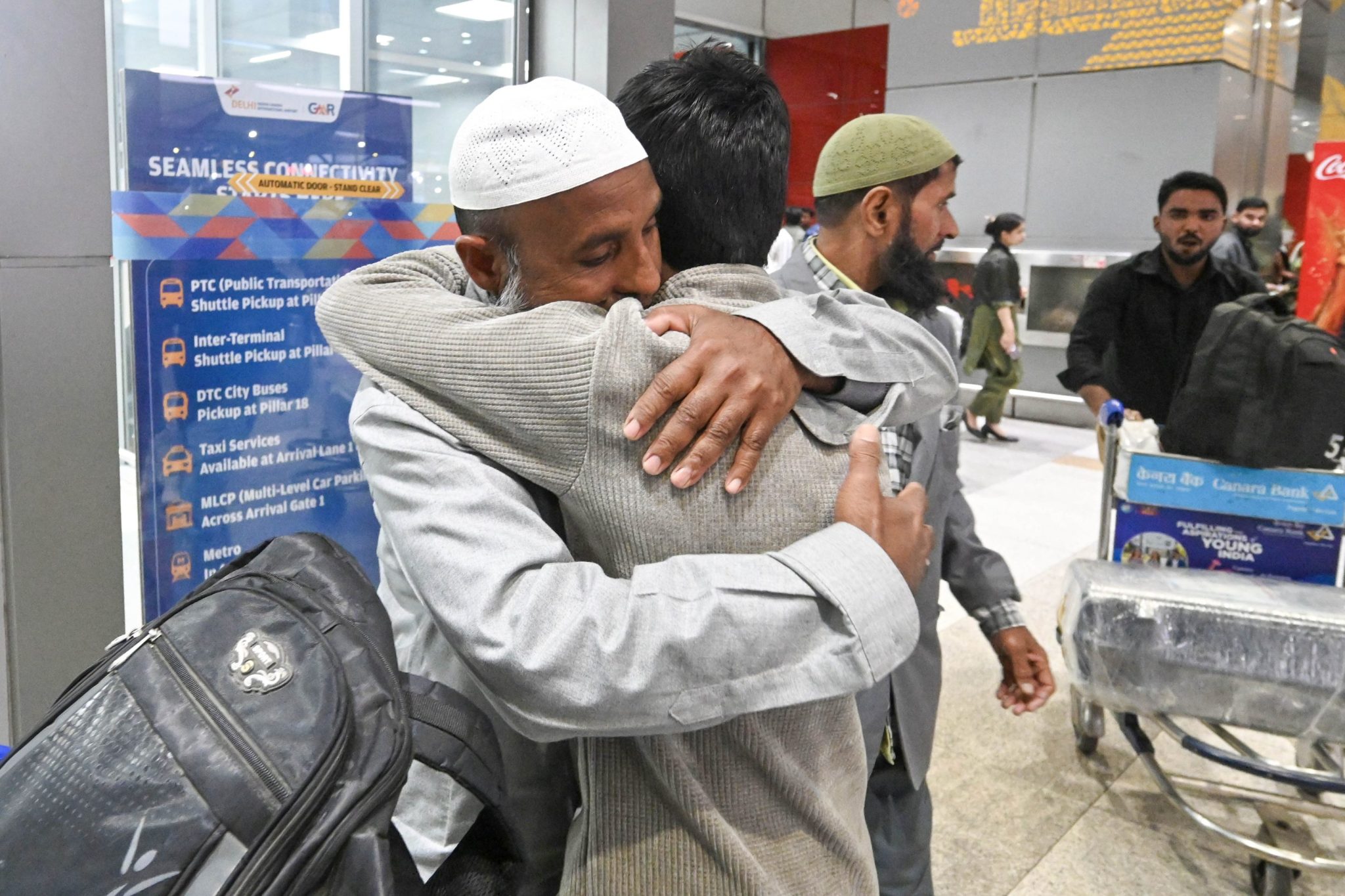
The Middle East is one of the most important regions for the global travel industry. For decades, cities like Dubai have built their economies on being safe places for tourism and business. About 12% of the economy in the United Arab Emirates comes from travel and tourism. The region also serves as a vital link for millions of workers from India and other parts of Asia who travel back and forth for jobs. When the airspace closes, it does more than just stop vacations; it cuts off the path for workers and families who rely on these flights every day.
Public or Industry Reaction
Travel experts are shocked by how quickly the situation changed. Henry Harteveldt, a travel consultant, noted that this is different from the COVID-19 pandemic because it is a violent military conflict rather than a health crisis. He mentioned that the conflict has destabilized travel on every populated continent. Cruise companies are trying to help by hiring special planes to fly their guests back home. On the other hand, some airline leaders, like the CEO of Ryanair, believe the trouble in the Middle East might lead to more people taking vacations in Europe instead. They expect a surge in bookings for shorter trips within safer regions.
What This Means Going Forward
The biggest challenge for the future is rebuilding trust. Even if the fighting stops soon, many travelers may be too scared to return to the Gulf region for a long time. To fix this, the United Arab Emirates has opened a "safe air corridor" to allow a limited number of flights to move in and out of the country safely. Airlines like Emirates are trying to run a reduced schedule, but they are still far from normal operations. Governments and airlines will have to work hard to prove to the world that their airports and skies are safe again.
Final Take
The travel industry is very strong and has survived many crises in the past. However, the sight of missile debris falling on luxury resorts is a powerful image that will stay in the minds of tourists. The path to recovery will depend on how quickly peace can be restored and how well the industry can convince the public that it is safe to fly through these major global hubs once more.
Frequently Asked Questions
Is it safe to fly to Dubai right now?
While some flights have resumed through a safe air corridor, many airlines are still operating on a reduced schedule. Travelers should check with their airline for the latest safety updates and flight status.
What should I do if my flight is cancelled?
Most airlines are offering refunds or rebooking options. If you are stranded, contact your local embassy or travel insurance provider to see if they can help with emergency travel or housing costs.
How long will these travel disruptions last?
It is hard to say exactly. Some industry experts believe the impact could last for a year or two as travelers wait to see if the region remains stable before booking new trips.