Summary
The Democratic Republic of Congo (DRC) is preparing for a major increase in cobalt production by the year 2026. This growth is driven by two main mining projects that are expanding their operations to meet global demand. As the world moves toward more green energy and electric vehicles, the DRC remains the most important source of this essential battery metal. These developments will help stabilize the global supply chain and ensure that manufacturers have the materials they need for modern technology.
Main Impact
The expected rise in cobalt output will strengthen the DRC’s role as the world’s leading producer. Currently, the country provides more than 70% of the world's cobalt. By increasing production further, the DRC will help prevent shortages that often lead to high prices for electronics and car batteries. This extra supply is also a sign that large mining companies are confident in the long-term future of the battery market, despite recent changes in metal prices.
Key Details
What Happened
Two major mining operations are the primary reasons for this production boost. The first is the Musonoi project, which is owned by the Chinese company Zijin Mining. This project is currently moving from its initial setup phase into a full production phase. The second driver is the Mutanda mine, operated by the global company Glencore. Mutanda is one of the largest cobalt and copper mines in the world. It is increasing the amount of ore it processes, which will result in a higher volume of cobalt being sent to international markets by 2026.
Important Numbers and Facts
The Musonoi project is expected to contribute a large portion of the new supply. Once it reaches its full capacity, it could produce between 10,000 and 12,000 tons of cobalt every year. Meanwhile, the Mutanda mine has historically been a massive producer, sometimes providing up to 20% of the world's total cobalt supply on its own. The combined effort of these two sites, along with other smaller mines in the region, is expected to push the DRC’s total annual output to new record levels over the next two years.
Background and Context
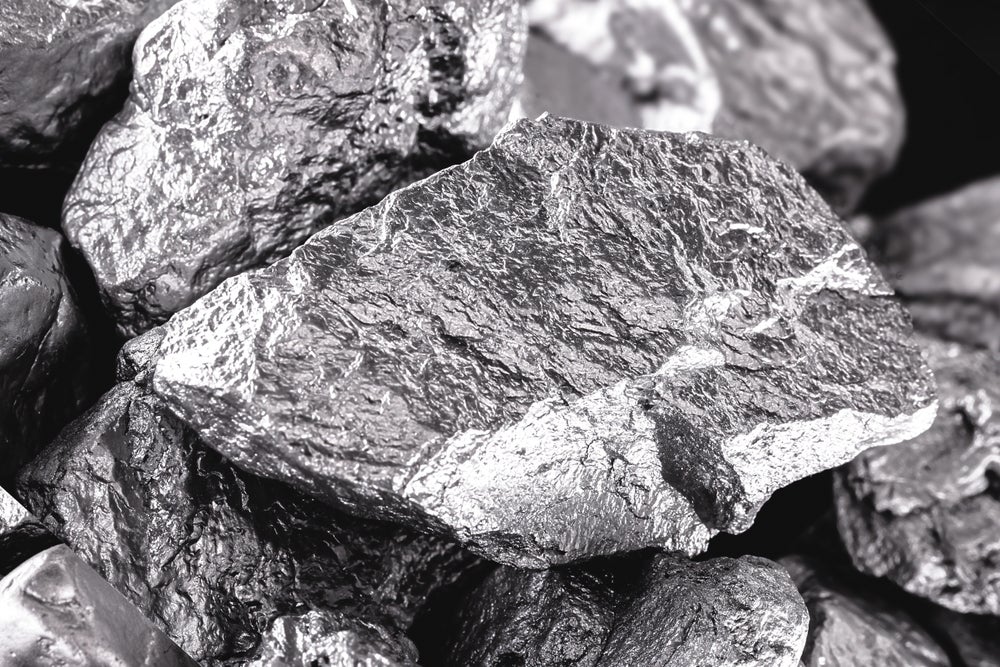
Cobalt is a silver-gray metal that is very good at holding heat and conducting electricity. Because of these traits, it is a key ingredient in lithium-ion batteries. These batteries power almost everything in modern life, including smartphones, laptops, and electric cars. Without enough cobalt, the transition to electric vehicles would be much slower and more expensive.
The DRC has the largest known reserves of cobalt on Earth. However, mining in the region can be difficult. Prices for cobalt have gone up and down a lot in recent years. When prices are low, some mines slow down their work. When prices start to rise again, companies invest more money to get the metal out of the ground. The current push for 2026 shows that companies believe the demand for electric cars will stay strong for a long time.
Public or Industry Reaction
Industry experts and battery manufacturers have reacted positively to the news of increased supply. For a long time, car makers were worried that there would not be enough cobalt to go around. This fear led some companies to look for ways to make batteries without cobalt. However, knowing that more supply is coming from the DRC gives these companies more choices. It also helps keep the market steady, which is good for long-term planning.
On the other hand, human rights groups and environmental watchers are keeping a close eye on these expansions. They want to make sure that as production grows, the mining companies follow safety rules and treat workers fairly. There is a strong push from the international community to ensure that "clean energy" starts with "clean mining" practices in the DRC.
What This Means Going Forward
Looking ahead, the DRC will continue to be the center of the cobalt world. The expansion of the Musonoi and Mutanda projects means that other countries trying to mine cobalt will have a hard time competing with the DRC’s scale and low costs. For consumers, this could mean that the price of electric vehicles stays stable or even drops as battery materials become more available.
However, there are risks to consider. If too much cobalt enters the market at once, the price could drop too low, making it hard for smaller mines to stay in business. There is also the political side of things, as different countries compete for control over these valuable resources. The balance between supply, demand, and fair mining practices will be the main story to watch as we approach 2026.
Final Take
The planned growth at the Musonoi and Mutanda mines proves that the DRC is still the most vital player in the global battery industry. By 2026, the world will rely on these projects to keep the green energy movement moving forward. As long as technology depends on high-quality batteries, the red soil of the Congo will remain at the heart of the global economy.
Frequently Asked Questions
Why is cobalt so important for electric cars?
Cobalt helps batteries last longer and prevents them from catching fire or overheating. It is a key part of making batteries safe and efficient for long-distance driving.
Which companies are leading the production increase in the DRC?
The two main companies are Zijin Mining, which runs the Musonoi project, and Glencore, which operates the Mutanda mine. Both are major global players in the mining industry.
Will more cobalt production make electric cars cheaper?
When there is more of a material available, the price usually goes down. If the cost of cobalt drops because of higher production, it can help lower the overall price of making electric car batteries.