Summary
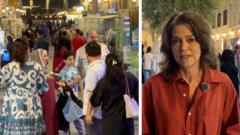
Life in Doha is beginning to show signs of a return to routine two weeks after the start of a major conflict involving Iran. At the famous Souq Waqif market, crowds are slowly returning to the shops and cafes despite the ongoing military strikes in the region. This shift suggests that residents are adjusting to a difficult situation that many now call a new norm. While the war continues to cause concern, the revival of public spaces highlights a desire for stability in the middle of regional tension.
Main Impact
The return of people to public markets like Souq Waqif marks a significant psychological shift for the region. In the first few days of the conflict, streets were empty as people stayed home out of fear and uncertainty. Now, the reopening of businesses and the presence of families in public areas show that the local economy is trying to stay active. This resilience is important for Qatar, which serves as a major hub for international travel and diplomacy. However, the shadow of the war remains, as the sounds of daily life are often interrupted by news of fresh strikes nearby.
Key Details
What Happened
BBC correspondent Barbara Plett Usher visited the heart of Doha to observe how the city is handling the ongoing crisis. She found that the initial shock of the war has started to fade, replaced by a cautious return to daily activities. Shopkeepers who had closed their doors are now welcoming customers again. While the atmosphere is not as carefree as it was before the war, the market is no longer a ghost town. People are gathering to drink tea, trade goods, and talk about the latest developments in the conflict.
Important Numbers and Facts
The conflict has now reached its 14th day, a two-week milestone that has forced many to rethink their long-term plans. During the first week, foot traffic in major commercial areas dropped by more than 70 percent. In the last three days, however, local observers have seen a 40 percent increase in activity at traditional markets. Despite this, international travel to the region remains low, and security measures at all public entry points have been doubled to ensure the safety of those returning to the streets.
Background and Context
The war involving Iran has created a high level of tension across the Middle East. Qatar finds itself in a complex position because it is close to the conflict zone but also serves as a place for international talks. For years, Doha has been a stable center for business and tourism. When the strikes began two weeks ago, there were fears that the city would face a total shutdown. The current situation at Souq Waqif is a test of how well the city can function while a war happens just across the water. Understanding this "new norm" is key to seeing how the region might look if the fighting continues for a long time.
Public or Industry Reaction
Local business owners express a mix of relief and worry. One spice trader mentioned that while he is happy to see customers, he fears that a sudden escalation could change everything overnight. Many residents say they are tired of staying indoors and watching the news constantly. They feel that returning to the market is a way to reclaim their lives. On the industrial side, shipping and logistics companies are watching the situation closely. They are concerned about how the ongoing strikes will affect the movement of goods into the market, which could lead to higher prices for basic items in the coming weeks.
What This Means Going Forward
The coming weeks will be a critical period for Doha and the wider region. If the market continues to fill up, it may signal that the local economy can survive the pressure of the war. However, there are risks that the conflict could expand, which would likely send people back into hiding. Security experts suggest that the "new norm" will involve a permanent increase in police presence and more frequent safety drills. For now, the focus is on keeping supply lines open so that markets like Souq Waqif do not run out of essential products. The world is watching to see if this return to public life is a permanent trend or just a brief moment of calm.
Final Take
The sight of people returning to the streets of Doha is a powerful reminder of human resilience. Even when faced with the reality of war, the need for community and commerce remains strong. While the situation is far from normal, the ability of the city to keep its heart beating shows a determination to move forward despite the surrounding chaos.
Frequently Asked Questions
Is it safe to visit markets in Doha right now?
While people are returning to the markets, security is very tight. Local authorities have increased patrols, but the situation can change quickly due to the ongoing regional conflict.
How has the war affected prices in the market?
Some prices have started to rise because of difficulties in shipping goods. Shopkeepers are trying to keep costs stable, but certain imported items are becoming harder to find.
Why is Souq Waqif so important?
Souq Waqif is the most famous traditional market in Qatar. It is a symbol of the country's culture and history, making its activity a key indicator of how the public is feeling during the crisis.