
Summary
The Dharavi Redevelopment Project has reached a critical stage as officials issued a final notice to 24,000 residents. These individuals must now submit their documents to prove they are eligible for new housing. This step is part of a massive plan to rebuild one of the largest informal settlements in the world. Residents who fail to provide the required paperwork risk losing their chance to get a home within the new development. This notice marks a major push by the authorities to move the project forward after years of planning and delays.
Main Impact
The primary impact of this notice is the pressure it puts on thousands of families living in Dharavi. For many, this is the last chance to secure their future in the area. The redevelopment project aims to replace old, crowded structures with modern apartments and better facilities. However, the process depends entirely on proving residency through specific documents. This move will determine who stays in the heart of Mumbai and who might be moved to other locations. It also signals that the developers are ready to begin the next phase of construction once the list of eligible residents is finalized.
Key Details
What Happened
The Dharavi Redevelopment Project Private Limited (DRPPL), which is a partnership between the Adani Group and the Maharashtra state government, sent out these final notices. The goal is to collect proof of residence from 24,000 people who have not yet completed the survey process. Surveyors have been visiting homes to gather data, but many residents were either not home or did not have their papers ready. This final notice serves as a formal warning that the time for submitting these records is running out.
Important Numbers and Facts
The eligibility rules are based on specific dates set by the government. Residents who can prove they lived in Dharavi before January 1, 2000, are eligible for free homes within the redeveloped area. Those who moved to the area between January 1, 2000, and 2011 will also get homes, but they may have to pay a certain cost. People who arrived after 2011 are generally not eligible for ownership but may be offered rental housing in other parts of the city. So far, the survey has covered a large portion of the area, but these 24,000 cases remain the biggest hurdle for the project team.
Background and Context
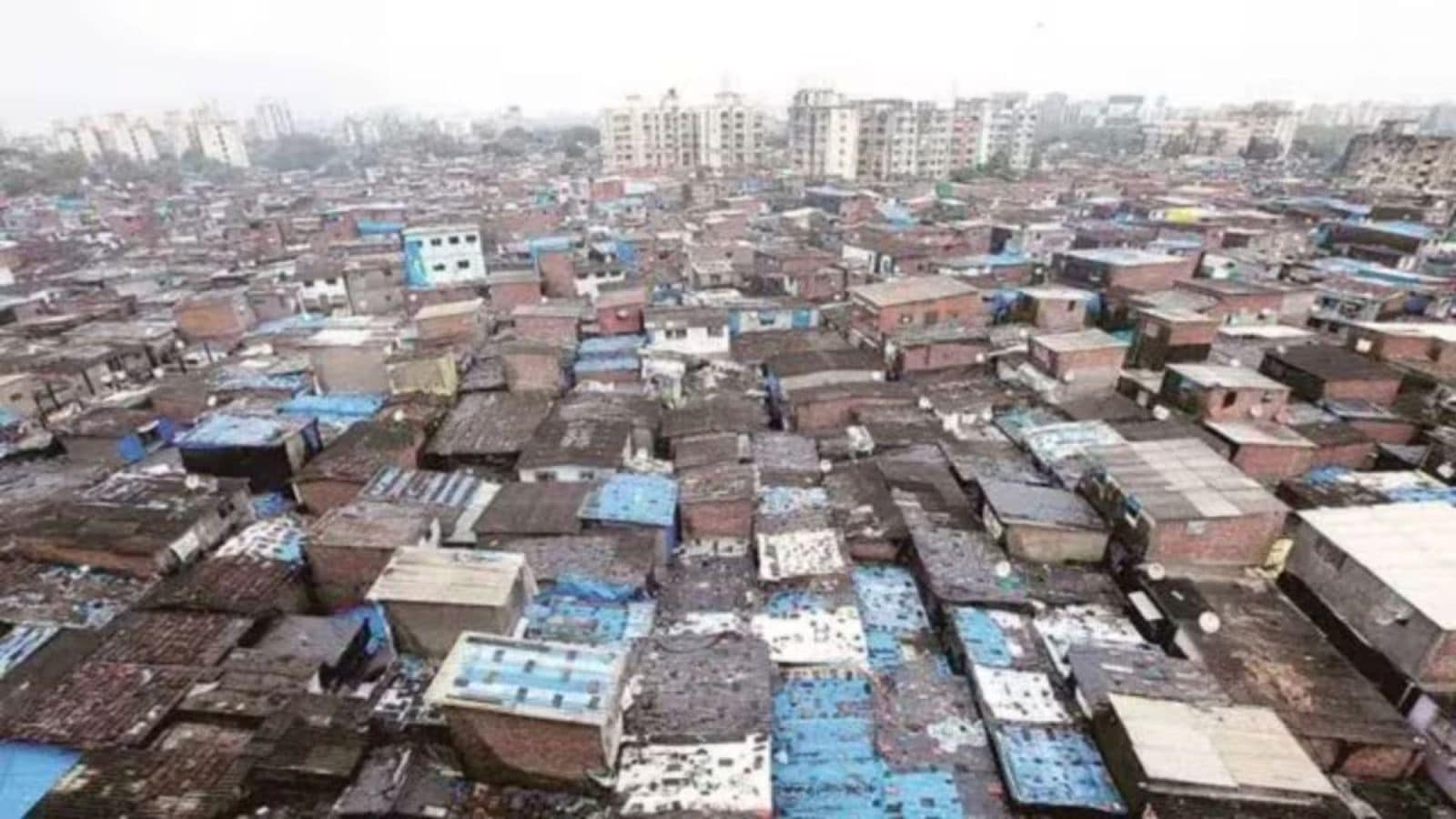
Dharavi is a very famous area in Mumbai known for its high population density and thousands of small businesses. For decades, there have been talks about rebuilding it to provide better living conditions, such as clean water, proper toilets, and safe buildings. The current redevelopment plan is the most serious attempt yet. The project is led by the Adani Group, which won the bid to transform the area. Because Dharavi is so large and complex, the government needs to be very careful about who gets a new home. They use old documents like electricity bills, voter ID cards, and ration cards to verify how long a family has lived there.
Public or Industry Reaction
The reaction from the people living in Dharavi is mixed. Some residents are excited about the idea of living in a modern building with better amenities. They see it as a way to improve their quality of life and increase the value of their property. On the other hand, many people are worried and confused. Some families have lived in Dharavi for generations but may have lost their old paperwork due to floods or fires. There is also a fear among small business owners that the new design might not have enough space for their workshops. Community leaders have asked the government to be more flexible with the document requirements to ensure that no one is left homeless.
What This Means Going Forward
In the coming weeks, the authorities will set up special centers to help people submit their papers. Once the deadline passes, the project team will create a final list of eligible residents. This list will be used to assign new apartments. For those who are found ineligible, the government has planned to build "rental housing" in other areas of Mumbai, often referred to as "Navi Dharavi." The success of this document collection phase will determine how quickly the old structures can be cleared to make way for new construction. If there are many disputes over eligibility, it could lead to legal challenges that might slow down the project again.
Final Take
The final notice to 24,000 residents is a clear sign that the Dharavi redevelopment is moving into a high-gear phase. While the project promises a modern future for the area, the immediate focus is on the difficult task of verifying thousands of individual histories. The way the government and the developers handle these final cases will be a major test of the project's fairness. Ensuring that long-term residents are not displaced is essential for the social and economic success of this massive urban change.
Frequently Asked Questions
What documents are needed to prove eligibility?
Residents usually need to show documents like a Voter ID card, electricity bills, or a ration card that dates back to before the year 2000 to qualify for a free home.
What happens if a resident misses the deadline?
If a resident fails to submit their documents after the final notice, they may be marked as ineligible. This could mean they lose their right to a new home in the redeveloped Dharavi area.
Who is in charge of the Dharavi Redevelopment Project?
The project is managed by Dharavi Redevelopment Project Private Limited (DRPPL), which is a joint venture between the Adani Group and the Government of Maharashtra.



