
Summary
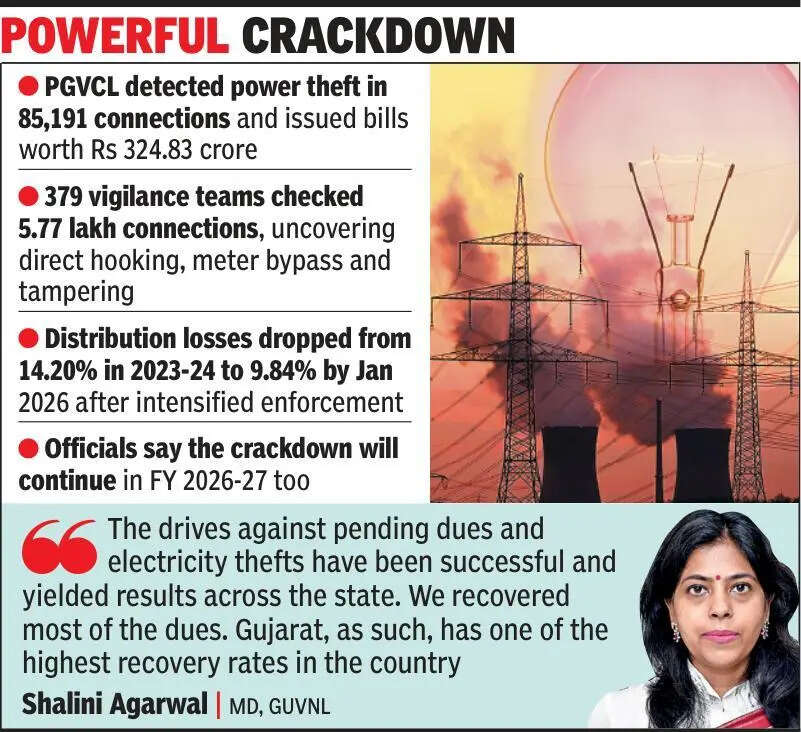
Power distribution companies in the Surat region have successfully recovered a massive amount of unpaid electricity bills through a series of intense collection drives. These companies, often called discoms, focused on customers who had ignored their bills for several months or even years. By taking direct action and setting up special payment systems, the companies managed to collect crores of rupees in a short period. This effort is part of a larger plan to improve the financial health of the power sector and ensure that electricity services remain steady for everyone.
Main Impact
The primary impact of this recovery drive is a significant boost in the cash flow for local power companies. When customers do not pay their bills, it creates a financial gap that makes it hard for companies to buy electricity from power plants or maintain the wires and transformers in the city. By recovering these dues, the companies can now invest more in upgrading the local power grid. This also sends a strong message to the public that electricity is a service that must be paid for, which helps reduce the habit of delaying payments.
Key Details
What Happened
The Dakshin Gujarat Vij Company Ltd (DGVCL) and other related agencies organized special teams to visit different parts of the city and surrounding rural areas. These teams were tasked with identifying "defaulters," which are people or businesses that have not paid their bills. The drive was not just about asking for money; it involved a mix of warnings and strict actions. In many cases, if a customer refused to pay on the spot or show proof of payment, the workers were instructed to disconnect the power line immediately. This pressure led many people to settle their accounts quickly to avoid living without electricity.
Important Numbers and Facts
The collection drives focused on both small homes and large industrial units. Reports show that the total amount recovered runs into several crores of rupees. In some specific zones, the recovery rate jumped by over 20% compared to previous months. The teams targeted thousands of individual accounts that had been flagged for long-term non-payment. To make things easier for those who wanted to pay, the companies set up temporary collection centers and encouraged the use of mobile apps for instant digital payments. This allowed the companies to track the money in real-time and restore power quickly once the debt was cleared.
Background and Context
In India, power distribution companies often struggle with what they call "commercial losses." These losses happen when electricity is used but not paid for, either through unpaid bills or illegal connections. For a long time, many customers in both urban and rural areas have let their bills pile up, thinking there would be no consequences. However, the government has been pushing these companies to become more self-sufficient. If the companies stay in debt, they cannot provide 24-hour power or fix faults quickly. These drives usually happen toward the end of the financial year when companies try to balance their books and meet their yearly targets.
Public or Industry Reaction
The reaction to these drives has been mixed. Many honest taxpayers and regular bill payers support the move, as they feel it is unfair for some people to get free power while others pay their share. They believe that if everyone pays, the cost of electricity might eventually go down. On the other hand, some residents and small shop owners have complained that the disconnections were too sudden. They argued that they should have been given more time or a way to pay in smaller installments. Despite these complaints, industry experts say these strict measures are the only way to ensure the power grid does not collapse under the weight of unpaid debt.
What This Means Going Forward
Moving forward, the success of this drive means that power companies will likely use these tactics more often. Customers can expect more frequent checks and faster disconnections if they miss their payment deadlines. There is also a plan to install more smart meters across the region. These meters can track usage more accurately and can even be programmed to stop the flow of electricity automatically if the bill is not paid. This would remove the need for teams to visit houses in person. The goal is to create a system where payment is regular and the company has enough money to provide better service and fewer power cuts.
Final Take
The successful recovery of crores in dues shows that strict enforcement works. While cutting off power is a tough step, it is a necessary one to keep the entire energy system working. For the average resident, the lesson is simple: paying electricity bills on time is no longer optional. As the power companies get their finances in order, the community can hope for a more reliable and modern electrical system that supports both homes and businesses without interruption.
Frequently Asked Questions
Why did the power companies start this drive?
The companies started the drive to recover a large amount of unpaid money. This money is needed to pay for electricity production and to maintain the power lines and equipment that serve the city.
What happens if a customer cannot pay the full amount?
In many cases, the company requires full payment to keep the power on. However, some customers may be able to talk to the local office to see if they can set up a payment plan, though this is not always guaranteed during a strict recovery drive.
How can I avoid having my power disconnected?
The best way to avoid disconnection is to pay your bill by the due date mentioned on the paper. You can also use online portals or mobile apps to check your balance and make sure you do not have any old, unpaid bills.



