
Summary
India’s aviation regulator, the Directorate General of Civil Aviation (DGCA), has grounded four aircraft owned by VSR Ventures Pvt Ltd. This decision follows a detailed safety check triggered by a fatal plane crash in Baramati last month. The regulator found several safety and maintenance failures that the company must fix before these planes can fly again. This move is part of a larger effort to make private charter flights in India safer for everyone.
Main Impact
The immediate grounding of these aircraft sends a strong message to the private aviation industry. It shows that the government will not ignore safety lapses, especially after high-profile accidents. By stopping these specific planes from flying, the DGCA is trying to prevent further tragedies while it investigates the company’s internal processes. This action also marks the start of much stricter oversight for all non-scheduled operators, which are companies that fly private charters rather than regular airline routes.
Key Details
What Happened
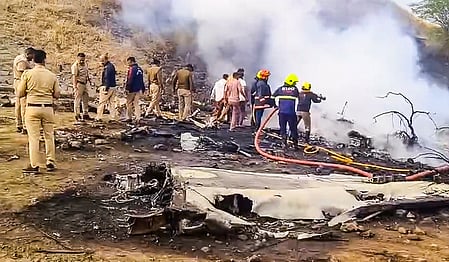
On January 28, a Learjet 45 aircraft crashed in Baramati, Maharashtra. The crash was devastating and resulted in the deaths of several people, including Maharashtra’s Deputy Chief Minister Ajit Pawar. Following this event, the DGCA launched a "multi-disciplinary" audit. This means experts from different fields, such as mechanics and flight operations, looked at how VSR Ventures runs its business. They found that the company was not following the required rules for keeping planes in good working order and managing flight safety.
Important Numbers and Facts
The DGCA has specifically grounded four planes with the registration numbers VT-VRA, VT-VRS, VT-VRV, and VT-TRI. These are Learjet 40 and 45 models. A preliminary report on the Baramati crash is expected to be released by February 28, 2026. This follows international rules that require an initial report within 30 days of an accident. Additionally, the DGCA has already conducted 51 safety audits of various private flight operators so far in 2025 to catch problems early.
Background and Context
Private aviation, often called the "non-scheduled" sector, has grown quickly in India. These planes are used by politicians, business leaders, and for medical emergencies as air ambulances. However, safety standards in this sector have come under fire recently. Besides the Baramati crash, another fatal accident happened in Jharkhand’s Chatra district involving an air ambulance, where seven people died. These events have forced the government to look closely at how these smaller companies maintain their planes and train their pilots. Unlike large airlines, smaller operators sometimes have fewer resources for safety management, which the regulator is now trying to fix.
Public or Industry Reaction
The public and political reaction to these crashes has been intense. Some political figures, including Rohit Pawar, have raised concerns about the investigation process and the history of the company involved. There is a growing demand for more transparency in how private flight permits are given out. Within the aviation industry, there is a mix of concern and support for the new rules. While some worry about the cost of meeting stricter standards, most agree that improving safety is necessary to keep the trust of passengers who use these services.
What This Means Going Forward
The DGCA is introducing several new rules to ensure this does not happen again. First, charter companies will soon have to list the age of their planes, maintenance history, and pilot experience on their websites. This allows passengers to see the safety record before they book a flight. Second, a new safety ranking system will be created to grade these companies.
The regulator is also getting tougher on staff. Pilots who break rules regarding their work hours or try to land in dangerous weather could lose their licenses for up to five years. Company managers will also be held personally responsible if their systems fail. The DGCA is also focusing on weather-related training. They believe many accidents happen because pilots make poor choices in bad weather, so they are mandating better real-time weather tracking tools for all operators.
Final Take
The grounding of the VSR Ventures fleet is a necessary step to protect lives. While it disrupts business, it highlights that safety must always come before profit in the aviation world. As the investigation continues, the entire private flight industry in India is being forced to change. These new, stricter rules should lead to a more professional and safer environment for everyone who travels by private aircraft.
Frequently Asked Questions
Why were the VSR Ventures planes grounded?
They were grounded because a safety audit found that the company was not following proper rules for plane maintenance and flight operations after a fatal crash in Baramati.
What new information will charter companies have to show?
Companies will have to publish the age of their aircraft, how well the planes have been maintained, and the experience levels of their pilots on their public websites.
What happens if a pilot breaks safety rules?
Under the new guidelines, pilots who violate flight time limits or ignore safety minimums during landing can have their flying licenses suspended for as long as five years.

