
Summary
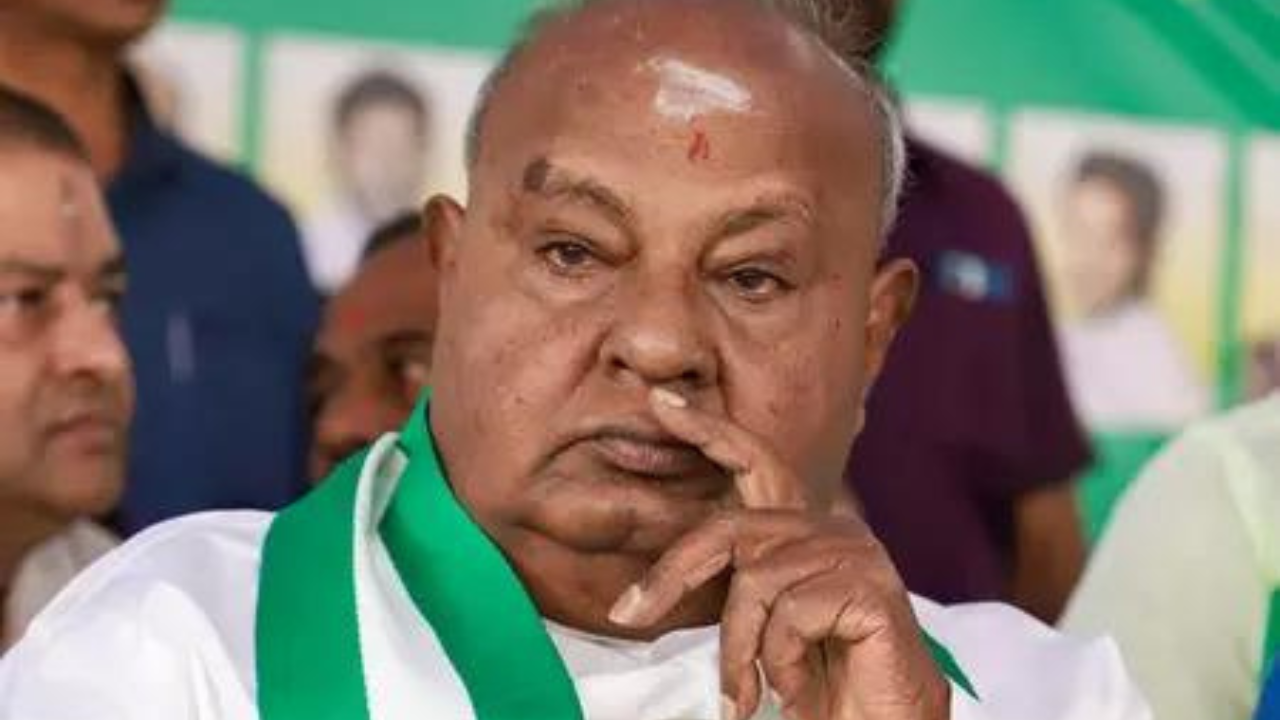
Former Prime Minister H.D. Deve Gowda has expressed serious concerns regarding the frequent disruptions occurring in the Indian Parliament. In a formal letter addressed to senior Congress leader Sonia Gandhi, he described the current state of chaos as a direct attack on the principles of democracy. He pointed out that the constant stopping of proceedings prevents the house from doing its job. Deve Gowda urged Gandhi to use her long-standing influence to guide opposition parties toward more productive ways of showing disagreement.
Main Impact
The primary impact of this letter is the spotlight it shines on the declining health of parliamentary debate in India. When the Parliament is repeatedly stalled, important laws cannot be discussed, and the government cannot be held accountable in a structured way. This situation creates a backlog of work and wastes a significant amount of public money. By reaching out to Sonia Gandhi, Deve Gowda is highlighting that the responsibility for a working Parliament lies not just with the government, but also with the leadership of the opposition.
Key Details
What Happened
H.D. Deve Gowda, a veteran politician who served as the Prime Minister of India in the mid-1990s, wrote a detailed letter to Sonia Gandhi. In this letter, he shared his sadness over how the Parliament currently functions. He noted that instead of healthy debates, the sessions are often filled with shouting and protests that lead to the house being adjourned. He specifically mentioned that these actions have "assaulted" his personal belief in how a democracy should work. He believes that the current trend of stopping work to make a point is doing more harm than good to the country's image.
Important Numbers and Facts
While the letter focuses on the quality of debate, the underlying facts show a worrying trend. In recent years, several sessions of Parliament have seen more than 50% of their scheduled time lost to disruptions. Each minute of a Parliament session costs the taxpayers thousands of rupees. When a whole day is lost, millions are wasted without any legislative progress. Deve Gowda’s letter suggests that the opposition has played a major role in these recent stoppages, and he wants to see a change in how they express their dissent.
Background and Context
To understand why this letter matters, one must look at the roles of the people involved. H.D. Deve Gowda is one of the most senior politicians in India. Having served as both a Chief Minister and a Prime Minister, he views the Parliament as a sacred place for law-making. Sonia Gandhi, though not the official leader of the opposition, remains one of the most powerful figures in the Congress party and the broader opposition alliance.
In the past, the Indian Parliament was known for long, intellectual debates where even the harshest critics would listen to each other. However, in the last decade, the atmosphere has changed. Protests inside the house, such as members entering the "well" of the house or carrying placards, have become common. This has led to a cycle where the government passes bills quickly without much talk, and the opposition claims they are being silenced, leading to more protests.
Public or Industry Reaction
The reaction to Deve Gowda’s letter has been mixed. Supporters of the current government often agree with his view, stating that the opposition is blocking progress just for the sake of politics. They argue that the floor of the house should be used for talking, not for shouting. On the other hand, some opposition members feel that disruptions are their only tool when they feel the government is not listening to their demands or allowing them to discuss specific topics. Political experts have noted that it is rare for a former Prime Minister to write such a direct letter to a peer, which shows the level of his concern.
What This Means Going Forward
This letter could serve as a starting point for a new conversation between political parties. If Sonia Gandhi and other leaders take this advice seriously, we might see a shift in how protests are handled. Instead of stopping the house, parties might move toward "constructive protest," where they stay in the house to argue their points on the record. However, if the letter is ignored, the tension between the ruling party and the opposition is likely to grow. There is also a possibility that the Speaker of the House might use this high-level concern to introduce stricter rules regarding member behavior during sessions.
Final Take
The strength of a democracy is measured by how well its leaders can talk to each other, especially when they disagree. H.D. Deve Gowda’s letter is a reminder that the Parliament belongs to the people, and its primary purpose is to serve the public through debate and law-making. For the system to work, both the government and the opposition must find a way to respect the rules of the house. Without this respect, the very foundation of democratic governance remains at risk.
Frequently Asked Questions
Why did H.D. Deve Gowda write to Sonia Gandhi?
He wrote to her because of her senior position in the opposition. He believes she has the experience and authority to encourage other opposition leaders to stop disrupting Parliament and engage in more constructive debates.
What does "parliamentary disruption" mean?
It refers to actions like shouting, waving posters, or refusing to let the session continue. These actions often force the Speaker to stop the meeting, meaning no laws can be discussed or passed during that time.
What was the main complaint in the letter?
The main complaint was that the frequent chaos in Parliament is hurting the country's democratic institutions. Deve Gowda felt that the current level of disruption is an "assault" on the idea of how a democracy should function.



