
Summary
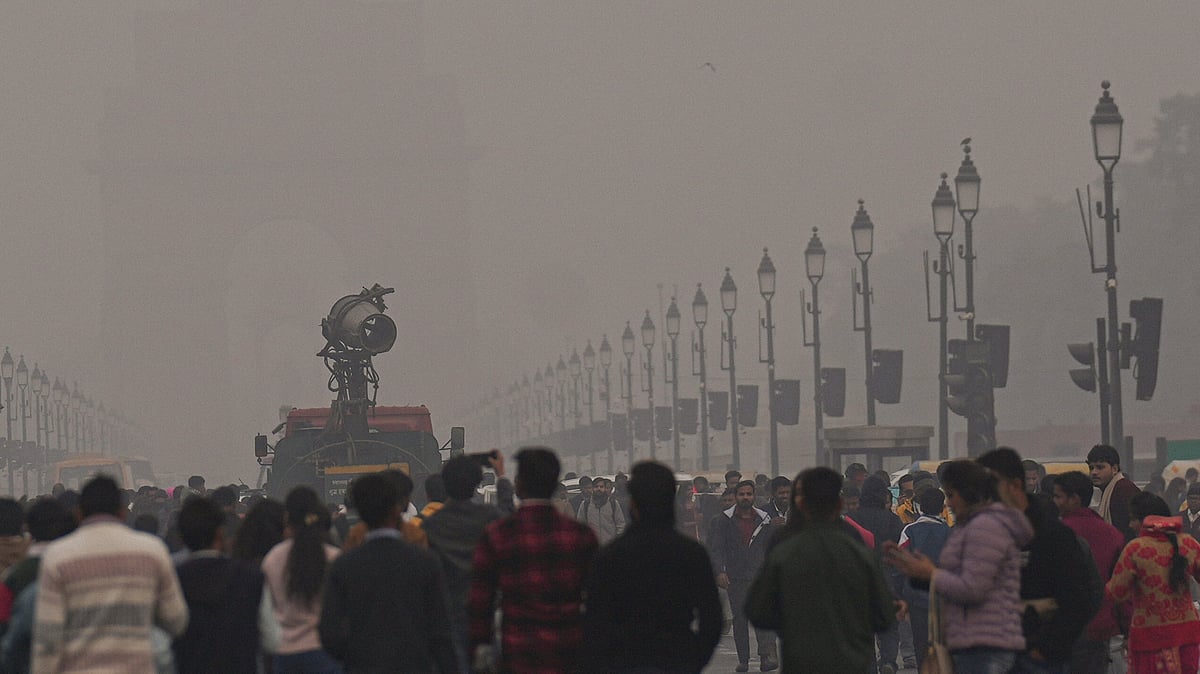
The National Capital Region (NCR) is currently facing a strange and difficult mix of weather conditions. Residents are waking up to thick fog in the morning, only to face intense heat and heavy air pollution by the afternoon. This unusual combination has made daily life hard and raised serious health concerns for millions of people. Experts say these patterns are not normal for early March and show how much the local climate is changing.
Main Impact
The most immediate impact of this weather is on public health and daily travel. The thick morning fog has made driving dangerous and slow, while the sudden heat in the afternoon is causing physical exhaustion. More importantly, the air quality has dropped to dangerous levels. In many parts of the region, the air is now considered "severe," which can cause breathing problems even for healthy people. This mix of high heat and toxic air is a major challenge for children, the elderly, and those who work outdoors.
Key Details
What Happened
Over the last few days, the weather in Delhi and nearby cities has behaved in a way that feels like two different seasons in one day. The mornings start with a grey veil of fog that limits how far drivers can see. As the sun comes up, the fog disappears, but it is replaced by a hot sun and a thick layer of smog. This smog is a mix of local pollution and dust coming from far away. The heat has arrived much earlier than usual, making it feel like the middle of summer instead of the start of spring.
Important Numbers and Facts
The data from the India Meteorological Department (IMD) and pollution sensors shows how extreme the situation has become. The highest temperature in Delhi reached 37°C, while the lowest was 18°C. Humidity levels also changed fast, starting at a very damp 88 per cent in the morning and dropping to 45 per cent by the afternoon.
The Air Quality Index (AQI) numbers are particularly worrying. An AQI above 400 is considered "severe." Here are some of the highest readings recorded in the region:
- Greater Noida: Knowledge Park-V recorded a massive AQI of 429.
- Delhi: Chandni Chowk reached 390, and Anand Vihar hit 388.
- Noida: Sector 116 recorded 362, while Sector 125 was at 335.
- Ghaziabad: The Loni area reached 358, and Indirapuram was at 326.
Background and Context
This weather is not just unpleasant; it is historic. On March 8, the temperature in Delhi went above 35°C. This is the earliest date the city has seen such high heat in at least 15 years. Usually, early March is known for mild and pleasant weather, but this year the heat has arrived with a sudden force.
The haze and poor air are also caused by natural events. While some people on social media thought the smoke was coming from oil fires in the Middle East, weather experts say that is not true. Instead, strong winds are carrying fine dust from the Thar Desert in Rajasthan and parts of Balochistan. This desert dust gets trapped over the city, mixing with smoke from cars and factories to create a thick, unhealthy layer in the sky.
Public or Industry Reaction
Health experts are warning people to be very careful. Doctors suggest that people should avoid heavy exercise outdoors when the pollution levels are this high. Many residents have expressed their frustration on social media about the "disappearing spring," noting that they had to switch from heaters to air conditioners in just a few days. Environmental groups are also calling for a review of air quality rules, as the current pollution levels are far beyond what is considered safe for human breathing.
What This Means Going Forward
The weather forecast suggests that these conditions will continue for a while. The IMD predicts that the skies will remain clear and the weather will stay dry on March 12 and 13. Temperatures are expected to stay around 35°C to 37°C. This means the early summer heat is here to stay. Without rain or strong winds to clear the air, the pollution is also likely to remain at "poor" or "very poor" levels. Authorities may need to bring back dust-control measures to help lower the pollution in the worst-hit areas.
Final Take
The current situation in Delhi-NCR is a clear reminder of how unpredictable the weather has become. The combination of record-breaking heat, morning fog, and severe pollution is a serious threat to public health. Residents must stay informed, keep hydrated to fight the heat, and use masks when the air quality is at its worst. As the climate continues to shift, these strange weather patterns may become the new normal for the region.
Frequently Asked Questions
Why is there fog and heat at the same time?
The fog happens in the early morning when the ground is still cool and humidity is high. As the sun rises, the temperature climbs quickly because of dry winds and a lack of cloud cover, leading to high heat by the afternoon.
What is causing the "severe" air pollution right now?
The pollution is caused by a mix of local smoke from traffic and industry, combined with large amounts of dust being blown in from the Thar Desert. The lack of wind means these particles stay trapped over the city.
Is this the hottest March on record?
While the whole month isn't over yet, the temperature spike on March 8 was the earliest time Delhi has hit 35°C in 15 years, making it one of the hottest starts to March in recent history.

