
Summary
The coastal town of Cuddalore in Tamil Nadu is facing a severe environmental crisis that threatens the lives of thousands of people. For decades, large chemical and pharmaceutical factories have operated in the area, leading to heavy pollution in the air and water. The local fishing community, which relies on the sea and rivers for food and money, has seen its livelihood disappear. Despite years of protests and many promises from the government, the demands for clean water and fair treatment remain unmet.
Main Impact
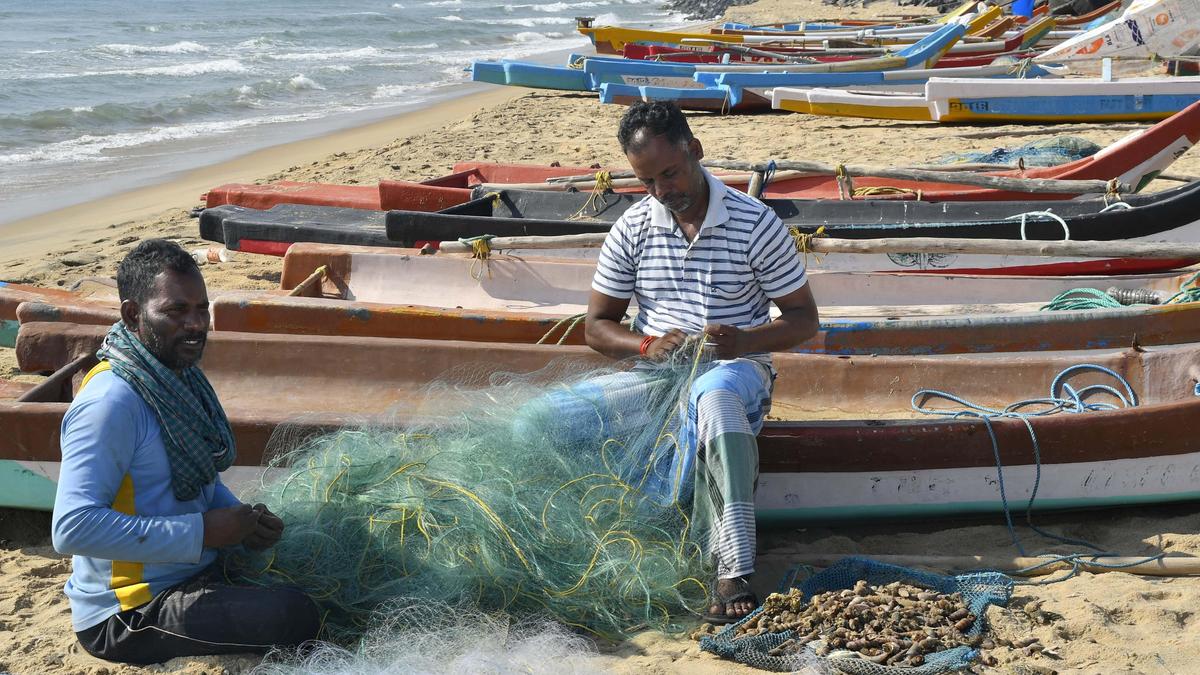
The most direct impact of this industrial growth is the destruction of the local fishing economy. Fishermen report that the water in the Uppanar River and the nearby sea has become toxic, killing fish and driving away marine life. This has forced many families into deep poverty. Beyond the loss of jobs, the pollution is causing serious health problems. Residents in villages near the industrial zones suffer from constant skin diseases, breathing difficulties, and other long-term illnesses caused by breathing chemical fumes and using contaminated water.
Key Details
What Happened
The industrial area in Cuddalore, managed by the State Industries Promotion Corporation of Tamil Nadu (SIPCOT), was set up to bring jobs and growth to the region. However, over time, many of these factories began releasing untreated waste into the environment. Local residents say that companies often dump chemical liquids into the river during the night or when it rains to avoid being caught. The air often smells of strong chemicals, making it hard for people to breathe comfortably in their own homes. For the fisherfolk, the once-clear waters are now dark and oily, making it impossible to catch enough fish to sell at the market.
Important Numbers and Facts
The SIPCOT industrial estate houses more than 30 large-scale units that produce chemicals, pesticides, and medicines. Studies by environmental groups have shown that the soil and groundwater in these areas contain high levels of heavy metals. Fishermen claim that their daily catch has dropped by more than 50% over the last two decades. In some villages, almost every household has at least one person suffering from a respiratory issue. While the government has set up some monitoring stations, local activists argue that these tools do not always show the true level of pollution that happens daily.
Background and Context
Cuddalore has always been a place where people lived in harmony with the sea. Fishing is not just a job there; it is a way of life that has been passed down through many generations. When the industrial hub was first created, people hoped it would bring better schools, roads, and wealth. While some infrastructure improved, the environmental cost was much higher than anyone expected. The balance between making money through industry and keeping the environment safe was lost. Over the years, the fishing community has become one of the most vocal groups fighting for environmental justice in South India, but their voices are often drowned out by the interests of large corporations.
Public or Industry Reaction
The reaction from the public has been one of anger and sadness. Fishing unions have organized many strikes and marches to the district collector's office. They want the government to shut down factories that break the law and to provide money to families who can no longer fish. On the other side, industry leaders often claim they follow all the safety rules set by the state. They argue that they provide jobs and contribute to the economy. However, the Pollution Control Board has often been criticized by the public for being too slow to act when companies are caught dumping waste illegally. This has created a lack of trust between the citizens and the authorities.
What This Means Going Forward
If the current situation does not change, the traditional fishing industry in Cuddalore could disappear forever. This would leave thousands of people without a way to earn a living. The government needs to take immediate steps to clean up the Uppanar River and ensure that no factory releases waste without proper treatment. There is also a desperate need for specialized hospitals in the area to treat people suffering from chemical-related illnesses. Moving forward, any new industrial projects must be checked carefully to make sure they do not add more stress to an already damaged environment. The future of Cuddalore depends on whether the government chooses to protect its people or continue favoring industrial profit.
Final Take
The struggle in Cuddalore shows the dark side of industrial growth when it is not managed carefully. The fisherfolk are asking for the most basic human rights: clean air to breathe and clean water to work in. Their demands are not just about money; they are about survival. True progress should improve the lives of everyone in a community, not just the owners of large factories. Until the pollution is stopped and the environment is restored, the people of Cuddalore will continue to pay a heavy price for the region's industrial success.
Frequently Asked Questions
Why is the water in Cuddalore polluted?
The water is polluted because many chemical and pharmaceutical factories in the SIPCOT industrial area release untreated waste into the rivers and the sea. This waste contains harmful chemicals that kill fish and damage the water quality.
How has the pollution affected the local fishermen?
Fishermen have seen a massive drop in the number of fish they can catch. The toxic water makes it hard for fish to survive, which has led to a loss of income and increased poverty for thousands of fishing families.
What are the main demands of the local community?
The community is demanding stricter rules for factories, the closure of units that pollute the environment, compensation for lost livelihoods, and better medical facilities to treat health problems caused by the pollution.



