Summary
Spain, Brazil, and Mexico have formed a new diplomatic alliance to support Cuba during a severe humanitarian crisis. Following a high-level meeting in Barcelona, the three nations committed to sending urgent aid to the island. They also issued a joint statement calling for peaceful dialogue and warning against any military intervention by the United States. This move comes as Cuba faces a total collapse of its energy system and a shortage of basic supplies.
Main Impact
The decision by these three major nations creates a significant diplomatic shield for Cuba. By promising to send food, fuel, and medicine, Spain, Brazil, and Mexico are directly pushing back against the economic pressure applied by the United States. This alliance aims to prevent a complete humanitarian disaster on the island, where millions of people have been living without reliable electricity for months. The move also signals a shift in international relations, as these countries choose to prioritize humanitarian needs over political isolation.
Key Details
What Happened
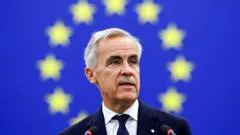
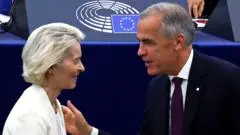
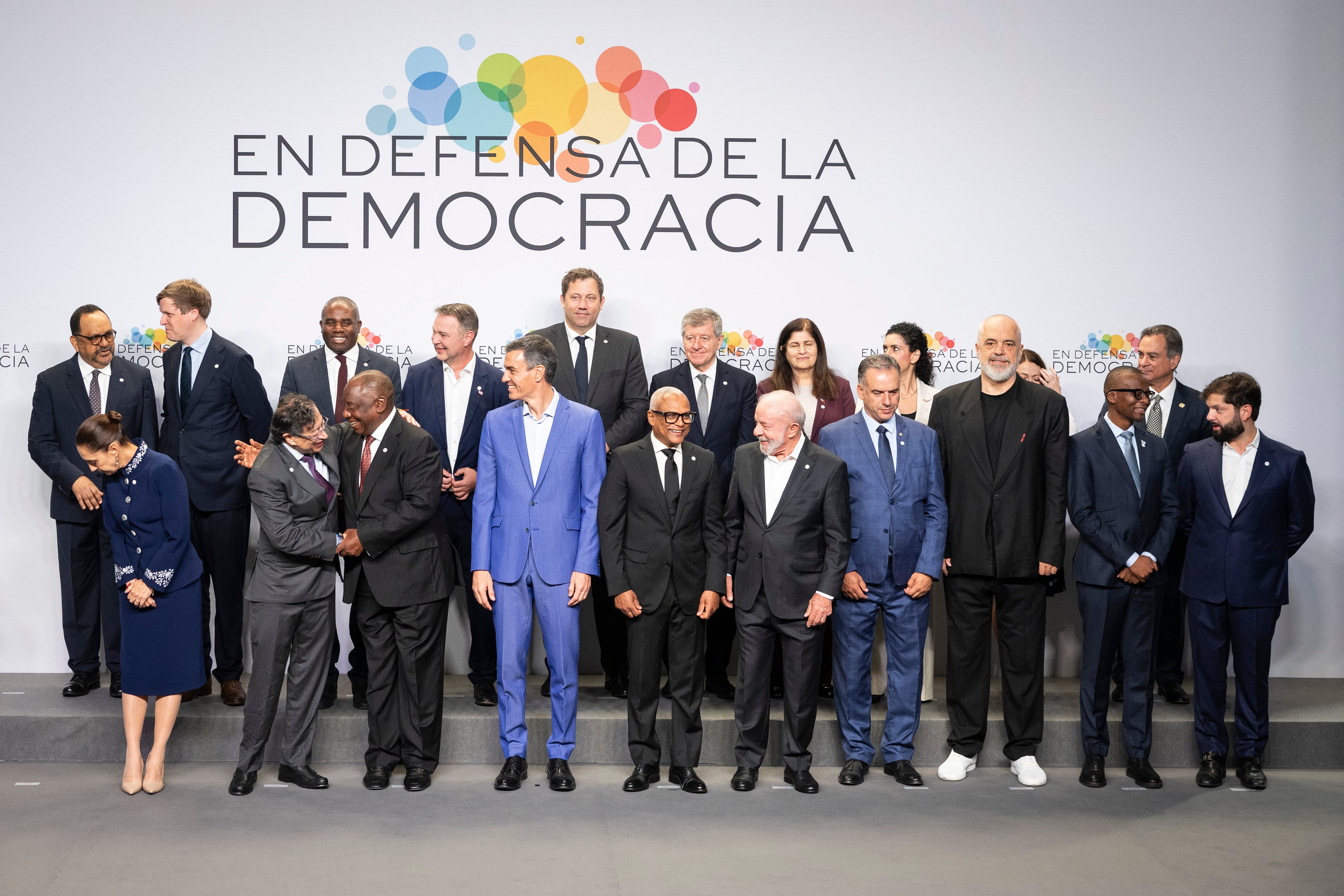
During a summit of progressive leaders held in Barcelona, representatives from Spain, Brazil, and Mexico discussed the worsening situation in the Caribbean. They focused on the "energy suffocation" that has paralyzed Cuba’s economy and daily life. The leaders signed a formal agreement to increase the delivery of humanitarian goods. They also used the platform to denounce the current U.S. administration's threats of military action, which they believe would only make the suffering of the Cuban people worse.
Important Numbers and Facts
The crisis in Cuba has reached a breaking point after 90 days of constant power failures. This energy shortage is largely due to a lack of fuel and an aging power grid that cannot be repaired because of trade restrictions. The summit took place on April 19, 2026, marking a moment of unity between European and Latin American leaders. The group highlighted that the "dramatic situation" requires immediate international attention to avoid a loss of life caused by the lack of hospital power and food refrigeration.
Background and Context
Cuba has struggled with its energy supply for many years. The island relies on old power plants that frequently break down and require imported oil to run. In recent months, the U.S. government, under the administration of Donald Trump, has tightened rules to stop oil from reaching the island. This "maximum pressure" campaign was designed to force political change, but it has instead resulted in a massive humanitarian problem. Without fuel, the country cannot pump water, run factories, or keep lights on in homes. Spain, Mexico, and Brazil argue that these policies hurt ordinary citizens more than the government.
Public or Industry Reaction
The reaction to this alliance has been mixed but intense. Human rights groups have praised the move, noting that the Cuban people are in desperate need of help. They argue that political disagreements should not lead to the starvation or medical neglect of a population. However, some political critics in the United States and Europe have voiced concerns. They worry that sending aid might strengthen the current Cuban government. Despite these criticisms, the leaders of Spain, Brazil, and Mexico maintain that their primary goal is to save lives and promote stability in the region through talk rather than force.
What This Means Going Forward
The next few weeks will be a test for this new alliance. The three countries must now figure out how to transport large amounts of aid to Cuba without running into legal trouble with U.S. sanctions. If they are successful, it could encourage other nations to join the effort. There is also the risk of increased tension between Washington and the capitals of Madrid, Brasilia, and Mexico City. If the U.S. continues to suggest military options, this group of three will likely seek support from the United Nations to prevent a war in the Caribbean. The success of this mission depends on whether the aid can arrive fast enough to fix the failing power grid.
Final Take
This agreement shows that Spain, Brazil, and Mexico are willing to take a stand for humanitarian values, even when it causes friction with a superpower. By choosing aid and dialogue over threats and blockades, they are offering a different way to handle international conflicts. The coming months will reveal if this diplomatic effort can truly ease the heavy burden currently carried by the Cuban people.
Frequently Asked Questions
Why are Spain, Brazil, and Mexico helping Cuba?
They are helping because Cuba is facing a severe humanitarian crisis with no electricity and a shortage of food and medicine. They believe that helping the people is more important than political pressure.
What is causing the energy crisis in Cuba?
The crisis is caused by a combination of very old power plants and a lack of fuel. Recent U.S. sanctions have made it very difficult for Cuba to buy or receive the oil it needs to run its electrical grid.
Is there a risk of war?
The leaders of Spain, Brazil, and Mexico have warned about the threat of U.S. military intervention. Their alliance is specifically designed to call for peaceful dialogue to prevent any armed conflict from starting.