Summary
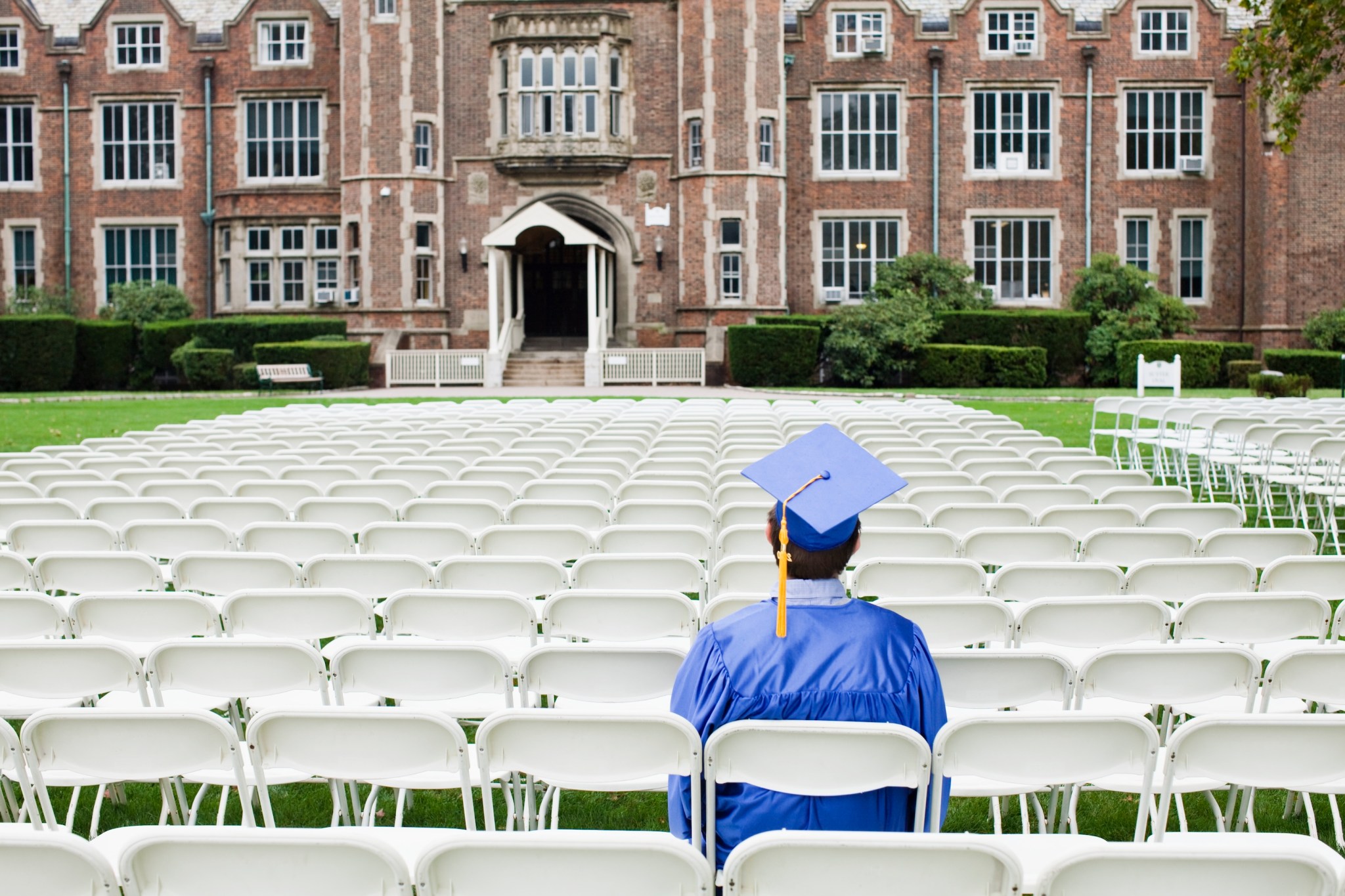
For decades, the path to success in America was simple: go to college, get a degree, and join the middle class. However, that promise is now failing for millions of young people who find themselves with high debt and few good job options. This shift is causing a major change in how educated workers see themselves and their future. As the value of a degree drops, many are turning to labor unions and new political movements to demand a better deal.
Main Impact
The most significant effect of this broken promise is a rise in "downward mobility." This happens when people cannot reach the same financial status as their parents despite having more education. This trend is pushing college-educated workers to identify more with the working class than the professional class. This change in identity is fueling a surge in union activity at companies like Starbucks and Apple, and even among high-level professionals like doctors and tech workers.
Key Details
What Happened
The shift began around 2005, well before the rise of modern artificial intelligence. While the number of people with college degrees continued to grow, the number of high-paying jobs did not keep up. Labor reporter Noam Scheiber explains that an entire generation was sold on the idea that college was the only way to survive in the 21st century. Unfortunately, this happened just as the financial benefits of a degree started to fade. The 2008 financial crisis made things worse, and job growth for recent graduates never fully recovered to its old levels.
Important Numbers and Facts
Data from the New York Federal Reserve shows a startling change in the job market. For about 30 years, the unemployment rate for recent college graduates was almost always lower than the general unemployment rate. However, since 2022, the unemployment rate for new grads has stayed higher than the national average. Additionally, public support for workers is at a high point. Recent polls show that 70% to 75% of Americans side with striking workers, regardless of their own education level.
Background and Context
This issue matters because it challenges the "American Dream." In the past, education was seen as a guaranteed way to move up in life. Now, many students take out massive loans but cannot find jobs that pay enough to cover their debt. This leads to people living with their parents longer and waiting to get married or buy homes. Political scientists warn that when a society produces too many highly educated people for too few high-status jobs, it often leads to social unrest and political instability.
Public or Industry Reaction
The reaction has been a wave of worker organizing. It started with a few Starbucks stores in 2021 and quickly spread to Amazon warehouses, Trader Joe’s, and REI. Even doctors are joining in. In Minnesota, hundreds of primary care physicians unionized because they felt like "cogs in a machine" rather than respected professionals. Many of these workers are using their education and "class confidence" to fight back against large corporations, refusing to accept poor working conditions or low pay.
What This Means Going Forward
The arrival of advanced AI is expected to speed up these changes. While some experts hope AI will lead to a "second golden age" of creativity and new types of small businesses, others worry about immediate job losses. In the software industry, some companies are already using AI to do the work of hundreds of engineers. This could create more social tension as the gap between the wealthy and the struggling grows wider. The main challenge for the next decade will be whether the government and businesses can create new systems to support workers as the job market changes faster than ever before.
Final Take
The old deal that promised success through a college degree is no longer working for everyone. As educated workers face a more difficult job market, they are not just giving up. Instead, they are using their skills to organize and demand a new kind of economic fairness. The next few years will likely see a continued shift in how Americans view work, class, and the value of education in an automated world.
Frequently Asked Questions
Why is the unemployment rate for college grads higher now?
Since 2022, the number of high-paying jobs has not grown as fast as the number of people graduating from college. This has created a situation where many new grads are competing for a limited number of positions.
How is AI changing the job market for educated workers?
AI tools are making some tasks much faster, especially in fields like software coding. This allows companies to do the same amount of work with fewer people, which can lead to layoffs even in high-skill industries.
What does "downward mobility" mean?
It refers to the process of moving to a lower social or financial level than one's parents. For many college grads, this means having a degree but earning less or having less job security than the previous generation.