Summary
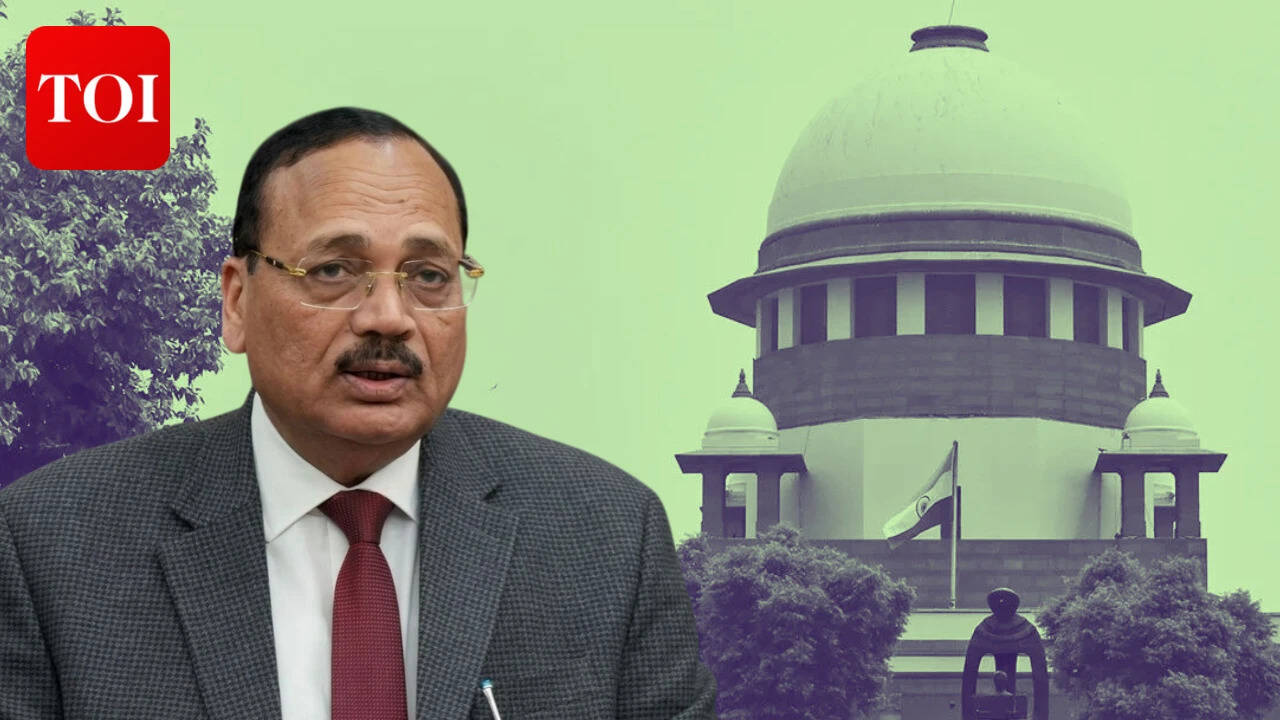
The Chief Justice of India (CJI), D.Y. Chandrachud, recently expressed strong anger during a Supreme Court hearing. He was responding to petitioners who questioned the honesty and integrity of judicial officers in West Bengal. These officers were involved in the process of selecting new judges for the state. The CJI defended the hard work of the district judiciary and warned against making claims that damage the reputation of the legal system without any proof. This event highlights the tension between those seeking transparency in government exams and the court's need to protect its staff from unfair attacks.
Main Impact
The main impact of this development is a firm message from the highest court in India. By saying "How dare you?", the CJI made it clear that the Supreme Court will not tolerate baseless attacks on the lower courts. This stance is meant to protect the morale of judicial officers who work at the district level. If people lose faith in the honesty of those who pick judges, the entire legal system could face a crisis of trust. The CJI’s words serve as a shield for the thousands of officers who manage the recruitment process across the country.
Key Details
What Happened
The situation unfolded during a hearing regarding the West Bengal State Judicial Service. A group of people who were unhappy with the recruitment process filed a petition. They suggested that the judicial officers in charge of the exams and interviews were not acting fairly. When these claims were presented in court, Chief Justice D.Y. Chandrachud reacted strongly. He took offense at the idea that the officers were biased or dishonest. He reminded the petitioners that these officers are part of the judicial family and work under difficult conditions to ensure the law is followed.
Important Numbers and Facts
The case involves the recruitment cycles for judicial officers in West Bengal for the years 2022 and 2023. The petitioners were concerned about how marks were given during the interview stage of the exam. In many competitive exams, the interview or "viva voce" is often a point of debate because it is seen as more subjective than a written test. However, the CJI pointed out that the High Court of Calcutta and its appointed officers follow a set of strict rules. He noted that the court cannot simply throw away the results of an entire selection process just because some candidates were not happy with their scores.
Background and Context
In India, becoming a judge in a district court is a very difficult process. Candidates must pass a series of tough exams managed by the state's High Court. Because these jobs are very important and offer a lot of security, many people apply for them. Sometimes, when candidates do not pass, they feel the system was unfair. They might claim that the people in charge of the exams favored certain candidates or changed the marks. While transparency is important, the Supreme Court believes that accusing judicial officers of being corrupt without having clear evidence is dangerous. The district judiciary is often called the backbone of the Indian legal system because they handle the most cases every day.
Public or Industry Reaction
The reaction to the CJI’s comments has been mixed but mostly supportive within the legal community. Many lawyers and senior judges feel that district-level officers are often treated as easy targets. They believe that the CJI was right to stand up for them. On the other hand, some student groups and exam candidates feel that there should be more ways to check if an exam was truly fair. They argue that asking questions about the process is not the same as attacking a person’s character. However, the legal community generally agrees that any claims of wrongdoing must be backed by solid facts before they are brought to the Supreme Court.
What This Means Going Forward
Going forward, this case will likely make petitioners more careful about how they phrase their complaints. Lawyers will need to ensure they have strong evidence before they suggest that a judicial officer has acted dishonestly. The Supreme Court is expected to continue looking into the technical parts of the West Bengal recruitment case, but it will likely do so without allowing personal attacks on the officers involved. This could lead to new rules or guidelines on how recruitment exams are checked to make sure they are both fair and respected by the public. The goal is to find a balance between being open about how judges are picked and keeping the dignity of the court intact.
Final Take
The strength of a legal system depends on the people who run it. When the Chief Justice of India stands up for his officers, he is defending the foundation of the law. While it is important to make sure that every exam is fair, it is equally important to respect the people who do the hard work of managing these systems. Baseless claims only serve to weaken the public's trust in justice. Moving forward, the focus must remain on facts and fairness rather than anger and doubt.
Frequently Asked Questions
Why was the Chief Justice of India angry?
The CJI was angry because the petitioners questioned the honesty of judicial officers in West Bengal without providing clear evidence. He felt these claims were an unfair attack on the integrity of the court system.
What is the West Bengal judicial recruitment case about?
The case involves complaints about how candidates were selected to become judges in West Bengal. Some people felt the interview process was not fair and asked the court to look into the marks and selection methods.
What did the CJI say about district judges?
The CJI described district judicial officers as hardworking individuals who are essential to the legal system. He stated that the Supreme Court must protect them from being insulted or doubted without proof.