
Summary
The Church in Wales has officially passed a new law that allows its clergy to perform blessing ceremonies for same-sex couples. This landmark decision was reached after a major vote by the church’s governing body, showing a clear shift toward more inclusive practices. While the move does not change the church's formal definition of marriage, it provides a way for gay and lesbian couples to have their civil marriages or partnerships recognized in a religious setting. This change is seen as a significant step for the Anglican community in the United Kingdom.
Main Impact
The primary impact of this decision is that same-sex couples can now receive a formal blessing in a church after they have had a civil wedding. For many years, these couples were unable to have any form of official recognition within the Church in Wales. This new rule changes the daily life of local parishes by giving priests the legal and religious authority to lead these services. It aims to make the church feel more welcoming to the LGBTQ+ community while trying to keep the church united.
Key Details
What Happened
The Governing Body of the Church in Wales met to discuss and vote on a bill titled "The Blessing of Same-sex Partnerships." The meeting included members from across Wales, including bishops, clergy, and laypeople. To pass, the bill needed a two-thirds majority in three different groups: the House of Bishops, the House of Clergy, and the House of Laity. After a long period of debate and prayer, the vote was held, and the bill received the necessary support to become church law.
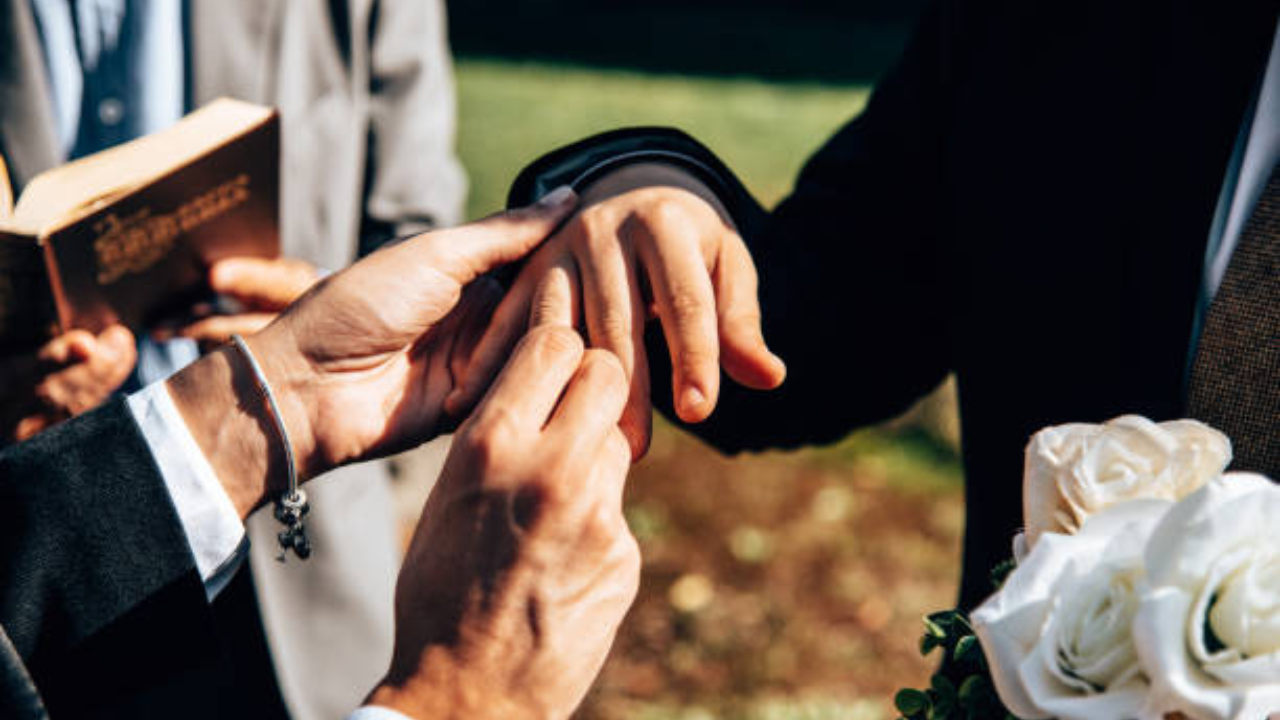
It is important to note that the service is a blessing, not a wedding ceremony. Under current law, marriage in the Church in Wales is still defined as being between one man and one woman. However, the blessing service allows couples to thank God for their relationship and ask for divine support in their lives together. The church has introduced a specific set of prayers and readings for these occasions to ensure they are handled with care and respect.
Important Numbers and Facts
The voting results showed strong support for the change. In the House of Bishops, the vote was unanimous, with all bishops supporting the bill. In the House of Clergy, 28 members voted in favor, while 12 voted against. In the House of Laity, which represents the regular members of the church, 49 voted for the bill and 10 voted against it. These numbers easily cleared the two-thirds requirement needed for such a major change in church policy.
The new policy is being introduced on an experimental basis for a period of five years. This allows the church to see how the blessings work in practice and to listen to feedback from congregations. Additionally, the law includes a "conscience clause." This means that no priest is forced to perform a same-sex blessing if it goes against their personal beliefs. This was a key part of the bill to ensure that those with traditional views still feel they have a place in the church.
Background and Context
The debate over same-sex relationships has been going on within the global Anglican Church for decades. Different branches of the church, such as those in Scotland, the United States, and Canada, have already moved toward more inclusive rules. The Church in Wales has been studying this issue closely for several years, holding many meetings to hear from both sides. The goal was to find a way to show love and support to all people while respecting the different ways people interpret the Bible.
In the past, many same-sex couples felt that they had to choose between their faith and their identity. By offering these blessings, the church is trying to bridge that gap. The decision follows a similar path taken by other religious groups in the UK that have sought to modernize their rules to reflect changes in society and the law, such as the legalization of same-sex marriage in 2014.
Public or Industry Reaction
The reaction to the vote has been mostly positive from human rights groups and inclusive church members. Many people described the day as "historic" and "emotional," noting that it sends a message of hope to LGBTQ+ Christians. Supporters believe that the church is finally catching up with the values of kindness and equality that they see in their daily lives.
However, not everyone is happy with the decision. Some conservative groups within the church feel that the move goes against traditional teachings. They worry that changing the rules for blessings will eventually lead to a change in the definition of marriage itself. Despite these concerns, the leadership of the Church in Wales has asked all members to treat each other with "Christian charity" and to remain united despite their differences in opinion.
What This Means Going Forward
Going forward, the Church in Wales will begin training its clergy on how to conduct these new blessing services. Couples who wish to have their partnerships blessed can now approach their local vicars to start planning. Because the rule is experimental for five years, the church will likely collect data and stories about how these services are being received. This period will be vital for deciding if the change should become permanent or if further steps, like full marriage equality, should be considered.
The decision may also put pressure on the Church of England to make a similar move. As the "mother church" of the Anglican community, the Church of England has been slower to change its rules on same-sex blessings. The success of the program in Wales could serve as a model for other churches looking to balance traditional faith with modern social values.
Final Take
This decision marks a turning point for religion in Wales. By choosing to bless same-sex couples, the church has moved toward a future where more people feel included in the life of the faith. While it is a compromise that does not go as far as some had hoped, it represents a clear effort to lead with compassion. The next five years will show how this new path helps the church grow and adapt to a changing world.
Frequently Asked Questions
Can same-sex couples now get married in a Church in Wales building?
No, they cannot have a full wedding ceremony in the church yet. They must get married in a civil ceremony first, and then they can go to the church for a formal blessing of their union.
Does every priest have to perform these blessings?
No. The church has included a conscience clause that allows priests to opt out if they do not agree with the practice. No member of the clergy is forced to lead a blessing service against their will.
Is this a permanent change to church law?
The change is currently experimental and will last for five years. After this period, the church will review how the blessings have worked and decide whether to make the rule permanent or change it further.

