
Summary
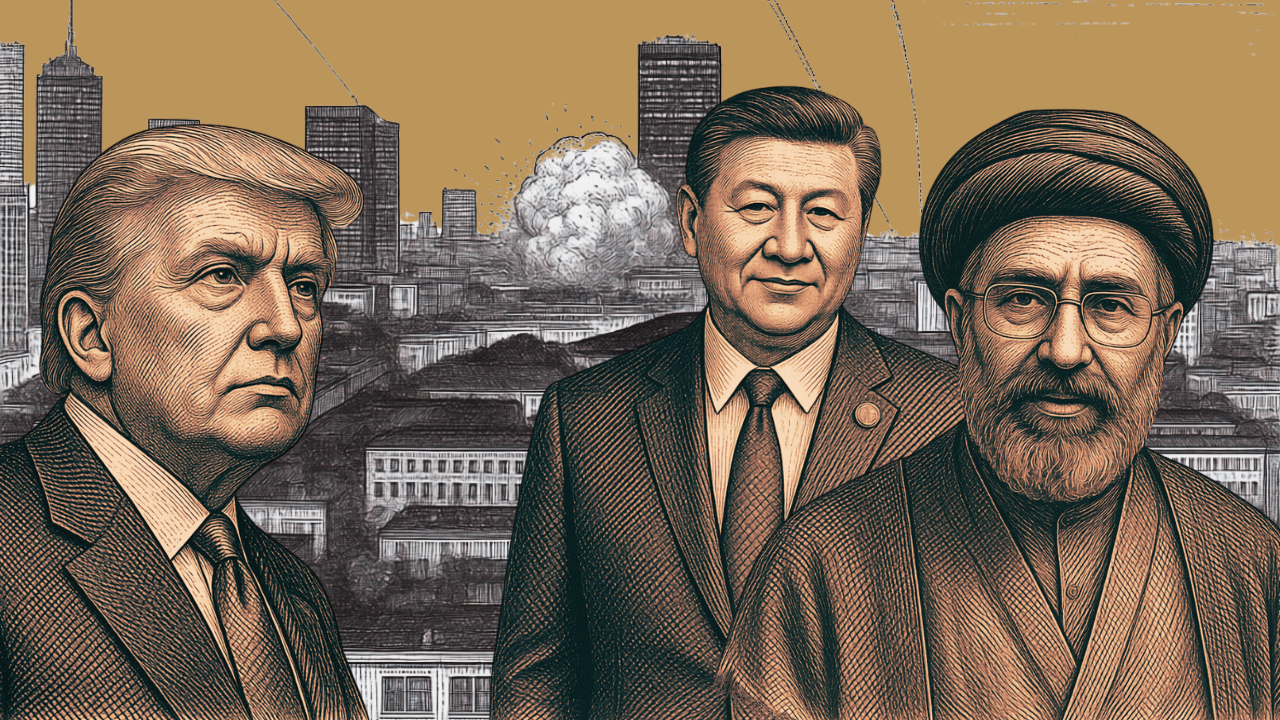
China and Iran are working together to change the balance of power in the Middle East without using military force. By focusing on trade deals, energy agreements, and peace talks, they are slowly reducing the influence the United States has held in the region for decades. This partnership allows Iran to bypass economic punishments while giving China a stronger foothold in a vital part of the world. As these two nations grow closer, the traditional role of the U.S. as the main security provider in the Gulf is being challenged.
Main Impact
The biggest impact of this shift is the weakening of U.S. economic and diplomatic tools. For years, the U.S. used sanctions—which are rules that stop countries from trading—to pressure Iran. However, China has become a massive buyer of Iranian oil, making those sanctions much less effective. This relationship provides Iran with the money it needs to keep its economy going. At the same time, China is acting as a peacemaker in the region, a role that used to belong almost entirely to Washington. This change makes it harder for the U.S. to lead regional policy or isolate its rivals.
Key Details
What Happened
In recent years, China and Iran signed a massive 25-year cooperation agreement. This deal covers everything from energy and trade to security and technology. Beyond just business, China helped fix the broken relationship between Iran and Saudi Arabia. By bringing these two rivals to the table, China showed that it could bring stability to the Gulf through talk rather than military presence. Iran has also joined international groups led by China and Russia, such as the BRICS group and the Shanghai Cooperation Organization. These groups help countries work together without needing to rely on Western systems or the U.S. dollar.
Important Numbers and Facts
China currently buys nearly 90% of Iran's oil exports, which is a huge amount of energy. This trade happens despite U.S. warnings and legal threats. Reports suggest that the 25-year deal between the two nations could be worth up to $400 billion in investments over time. Additionally, more trade in the region is now being done using the Chinese currency, the Yuan, instead of the U.S. Dollar. This shift is a direct attempt to move away from the American financial system, which the U.S. often uses to control global trade.
Background and Context
For a long time, the United States was the only major power that Gulf nations looked to for protection and leadership. The U.S. military keeps the shipping lanes open so oil can travel safely to the rest of the world. However, after long and costly wars in the Middle East, the U.S. has started to focus more on other parts of the world, like Asia. Seeing this opening, China moved in. China does not want to start wars; it wants to secure the energy it needs to run its factories. Iran, facing heavy pressure from the West, sees China as a lifeline that can provide both money and political support on the global stage.
Public or Industry Reaction
Many countries in the Gulf, such as Saudi Arabia and the United Arab Emirates, are changing how they handle foreign politics. Instead of picking only one side, they are trying to be friends with both the U.S. and China. Business leaders in the region see China as a reliable customer that does not get involved in local politics or human rights issues. On the other hand, some security experts in the West are worried. They fear that if the U.S. loses its influence, it will be harder to stop the spread of nuclear weapons or ensure that oil prices remain stable.
What This Means Going Forward
The future of the Gulf will likely involve a mix of many powers rather than just one. We can expect to see more joint military drills between China, Iran, and even Russia in the Gulf of Oman. These exercises send a clear message that the U.S. Navy is no longer the only force in those waters. The U.S. will have to find new ways to stay relevant, perhaps by focusing more on technology and high-level security partnerships. If the trend continues, the U.S. dollar may lose some of its global strength as more oil is bought and sold using other currencies.
Final Take
The strategy used by China and Iran shows that power is not just about having the biggest army. By using money, trade, and clever diplomacy, they are creating a new reality where the United States is no longer the sole leader of the Middle East. This shift is happening quietly but quickly, and it will change how the world handles energy and security for years to come.
Frequently Asked Questions
How is China helping Iran's economy?
China helps Iran by buying the majority of its oil, which provides Iran with a steady flow of cash. They also invest in Iranian infrastructure and technology, helping the country stay connected to the global economy despite U.S. sanctions.
Why is the U.S. losing influence in the Gulf?
The U.S. is focusing more on other regions, and many Gulf nations feel that American policy has become unpredictable. China offers a different partnership that focuses on business and does not interfere with how these countries are governed.
Will there be a war between the U.S. and China in the Middle East?
Currently, both sides seem to want to avoid a direct fight. China prefers to use "soft power" like trade and peace deals, while the U.S. is trying to maintain its influence through existing military bases and security alliances without starting new conflicts.

