
Summary
A senior executive from Chevron has issued a public plea for Americans to reduce their daily driving as the conflict involving Iran continues to escalate. The warning comes as global oil markets face significant pressure, leading to fears of a major fuel shortage. By encouraging people to stay off the road, the company hopes to manage the growing gap between fuel supply and demand. This unusual request highlights the serious impact that Middle Eastern instability has on the everyday lives of people in the United States.
Main Impact
The most immediate effect of this announcement is the signal it sends to the global economy. When one of the world’s largest energy companies asks its own customers to buy less of its product, it indicates a high level of concern regarding supply chains. Gas prices are expected to climb steadily if the war persists, making it harder for families to afford basic travel. This situation could also lead to higher costs for shipping goods, which often results in more expensive groceries and household items for everyone.
Key Details
What Happened
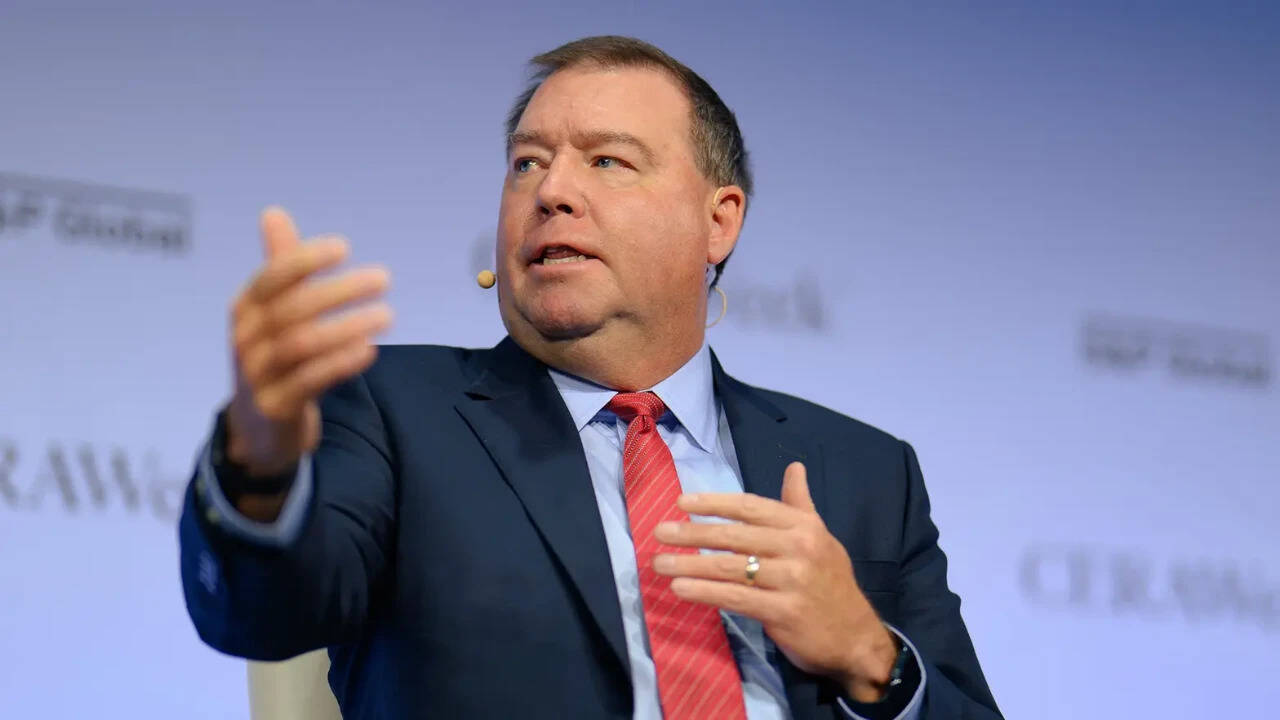
During a recent industry meeting, a top official from Chevron addressed the growing risks associated with the war in Iran. The executive explained that military actions in the region are making it difficult to move oil safely across the ocean. Because a large portion of the world’s oil travels through narrow waterways near Iran, any fighting in that area can stop tankers from reaching their destinations. The executive suggested that if Americans do not cut back on fuel use voluntarily, the market might face even harsher conditions in the coming months.
Important Numbers and Facts
Energy analysts report that oil prices have already seen a sharp increase since the start of the hostilities. Approximately 20 percent of the world’s total oil supply passes through the Strait of Hormuz, a narrow passage that Iran has threatened to close in the past. If this route is blocked, millions of barrels of oil would be stuck, causing an immediate global crisis. Currently, gas prices in several U.S. states have jumped by nearly 50 cents per gallon in just a few weeks, and experts warn that this is only the beginning if the conflict does not end soon.
Background and Context
The relationship between the Middle East and global energy is very close. For decades, any sign of war in this region has caused panic in the oil markets. Iran is a major producer of oil, but more importantly, it controls the geography through which other countries must ship their fuel. When a war breaks out, insurance costs for ships go up, and many companies are afraid to send their tankers into dangerous waters. This creates a "bottleneck" where there is plenty of oil in the ground, but no safe way to get it to the gas stations in America or Europe.
Public or Industry Reaction
The reaction to Chevron’s request has been mixed. Some economic experts agree that reducing demand is the only way to prevent a total collapse of the fuel supply. They argue that carpooling and using public transit are necessary steps during a time of war. However, many average citizens have expressed frustration. For people living in rural areas or cities without good buses and trains, driving less is not an easy option. Some political leaders have also called on the government to use emergency oil reserves to help lower prices, rather than asking the public to change their lifestyle.
What This Means Going Forward
In the short term, Americans should prepare for higher costs at the pump. If the war continues to expand, we might see more companies making similar statements. There is also a possibility that the government will step in with new rules to save energy. In the long term, this crisis may push more people to consider electric vehicles or other forms of energy that do not depend on foreign oil. The next few weeks will be critical as military leaders and diplomats try to find a way to stop the fighting and reopen the shipping lanes.
Final Take
The current situation serves as a stark reminder of how connected the world has become. A war on the other side of the globe can quickly change how much it costs to drive to work or take children to school. While asking people to drive less is a difficult message to deliver, it reflects the reality of a global energy market that is currently under extreme stress. Staying informed and finding ways to save fuel may be the best way for individuals to protect their finances during this uncertain time.
Frequently Asked Questions
Why is Chevron asking people to drive less?
Chevron is concerned that the war with Iran will disrupt oil supplies. By driving less, Americans can help lower the demand for fuel, which might prevent prices from rising even faster.
Will gas prices go down soon?
It is unlikely that prices will drop as long as the war continues. The cost of gas depends heavily on the safety of shipping routes in the Middle East, which are currently at risk.
What can I do to save money on fuel?
Experts recommend carpooling, using public transportation, and making sure your car is well-maintained. Small changes, like driving at steady speeds and avoiding unnecessary trips, can also help save gas.

