Summary
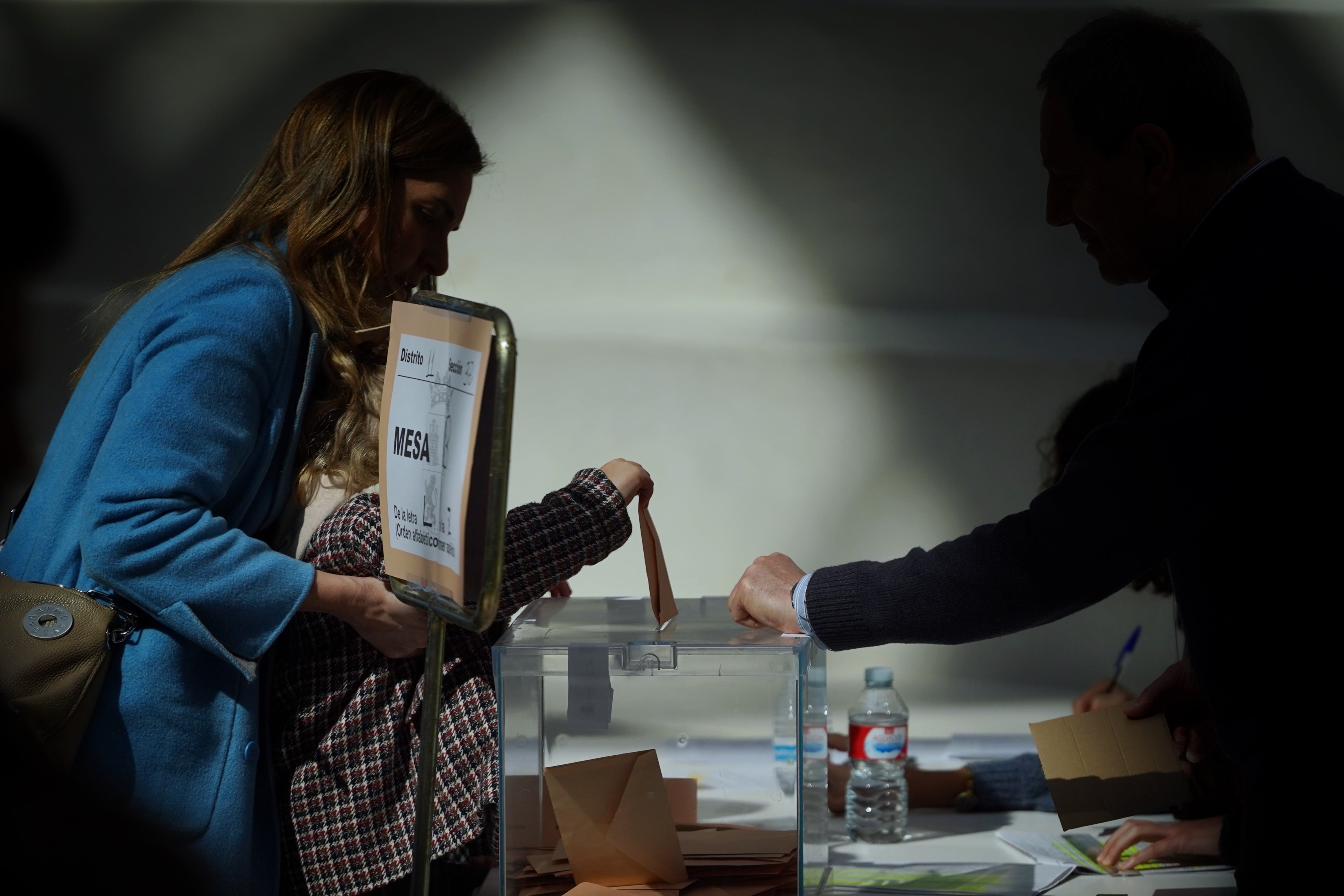
Voters in Castilla y León have shown a strong interest in the regional elections held this Sunday. By 6:00 PM, voter turnout reached 53.19%, which is a notable increase compared to the previous elections in 2022. More than two million people are eligible to cast their ballots in a race that could decide the political direction of the region for the next four years. This rise in participation suggests that citizens are highly engaged with the current political issues facing their communities.
Main Impact
The increase in voter turnout is the most significant development of the day so far. In 2022, participation at the same hour was 51.62%, meaning there has been a rise of over 1.5 percentage points. Higher turnout often changes the final results in ways that polls cannot always predict. For the leading parties, these extra votes could mean the difference between winning a clear majority or being forced to negotiate with smaller groups to stay in power.
Key Details
What Happened
Throughout the day, residents across the provinces of Castilla y León headed to polling stations to choose their regional representatives. The morning started with steady participation, and the numbers continued to grow as the day went on. Election officials released two main updates on turnout, with the 6:00 PM data showing a clear upward trend. Candidates from all major parties spent the day visiting polling sites, speaking to the press, and encouraging those who had not yet voted to make their voices heard before the polls closed.
Important Numbers and Facts
The latest data shows that 53.19% of the electorate has already voted. This is a jump from the 51.62% recorded at the same time during the last election cycle. There are more than two million people registered to vote in this election. Current polls suggest that the People’s Party (PP) is in the lead, but they are unlikely to reach the absolute majority of seats needed to govern alone. Meanwhile, Vox is expected to see a rise in support, while left-wing parties like the PSOE may face a difficult night with fewer seats than in previous years.
Background and Context
Castilla y León is one of the largest regions in Spain, and its elections are often seen as a sign of how the rest of the country feels about the national government. The region faces unique challenges, such as a shrinking population in rural areas and the need for better infrastructure. These issues have been at the center of the campaign. The current president, Alfonso Fernández Mañueco, called for these elections to seek a stronger mandate, but the political environment has become increasingly divided. In recent years, smaller regional parties and right-wing groups have gained more influence, making it harder for the traditional big parties to rule without help.
Public or Industry Reaction
The candidates have reacted to the turnout numbers with different perspectives. Alfonso Fernández Mañueco of the PP expressed his happiness with the high participation, stating that more people voting is good for everyone. Carlos Martínez, the candidate for the PSOE, focused on the need for change, urging citizens to vote if they want to see a new direction for the regional government. On the other hand, Carlos Pollán from Vox used his time to criticize the media. He claimed that news organizations have treated his party unfairly during the campaign. These reactions show the high tension and the high stakes involved in this specific election.
What This Means Going Forward
Once the polls close and the final votes are counted, the focus will shift to political deals. If the PP wins but lacks a majority, they will likely have to talk to Vox to form a coalition government. This could lead to a shift in regional policies. For the left-wing parties, a poor result would mean they have to rethink their strategy for the future. The high turnout indicates that the public wants a stable government that can address local problems. The next few days will be filled with meetings between party leaders as they try to build a working majority in the regional parliament.
Final Take
The rise in voter participation is a clear sign that the people of Castilla y León recognize the importance of this election. With the race being so close, every single vote counts toward deciding who will lead the region through its upcoming challenges. The final results will not only shape local laws but will also send a strong message to the national political parties in Madrid.
Frequently Asked Questions
What was the voter turnout at 6:00 PM?
The turnout was 53.19%, which is about 1.57 points higher than it was at the same time during the 2022 elections.
Who are the main candidates in this election?
The main candidates are Alfonso Fernández Mañueco for the People’s Party (PP), Carlos Martínez for the Socialist Party (PSOE), and Carlos Pollán for Vox.
How many people are allowed to vote in Castilla y León?
There are more than two million people registered and eligible to vote in these regional elections.