
Summary
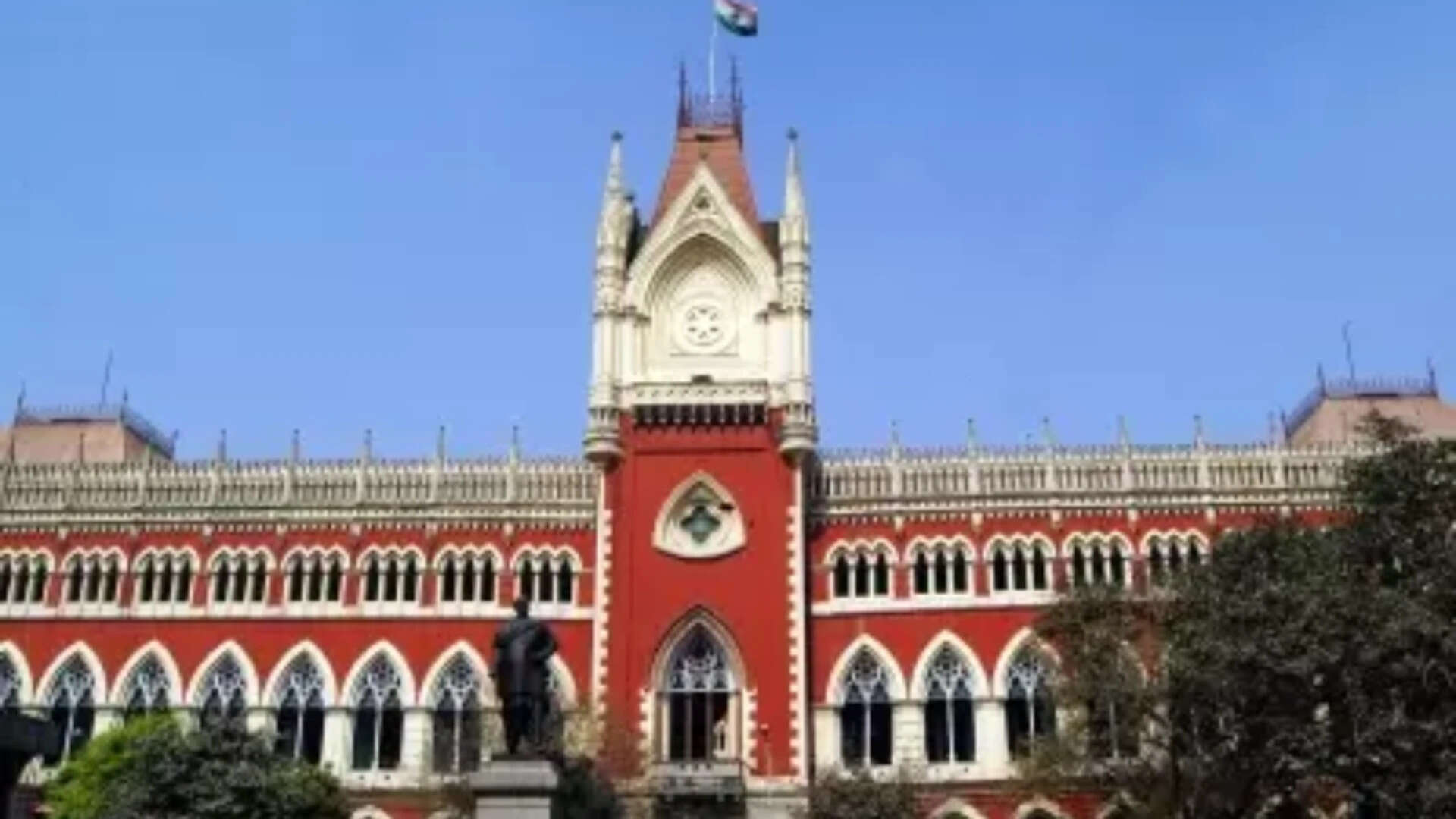
The Calcutta High Court has issued a significant warning to the Election Commission regarding the use of preventive detentions during the ongoing polls in West Bengal. The court stated that while maintaining law and order is necessary, the authorities must not misuse their power to arrest people without proper legal grounds. This decision highlights the need to balance public safety with the fundamental rights of citizens during the election season. The court’s intervention aims to ensure that the voting process remains free and fair for everyone involved.
Main Impact
The primary impact of this court order is a stricter set of rules for the police and the Election Commission. From now on, officials cannot simply pick up individuals based on vague suspicions or old records without following the correct legal steps. This move protects political workers and ordinary citizens from being wrongly held in custody just before they are supposed to vote or participate in election activities.
By setting these boundaries, the court is forcing the Election Commission to be more transparent. If the police want to detain someone to prevent trouble, they must now show clear evidence that the person poses a real threat. This change is expected to reduce complaints of political bias and harassment that often surface during high-stakes elections in the state.
Key Details
What Happened
The Calcutta High Court was hearing a set of petitions that raised concerns about how the police were handling "preventive detentions." In simple terms, preventive detention is when the police lock someone up because they think that person might commit a crime in the future. The petitioners argued that many people were being taken into custody without any recent evidence of wrongdoing.
The court observed that while the Election Commission has the power to oversee security, it does not have the right to ignore the law of the land. The judges reminded the commission that every arrest must be backed by a valid reason and recorded properly. They cautioned that using these detentions too broadly could interfere with a person's right to live freely and participate in the democratic process.
Important Numbers and Facts
West Bengal is known for having a long election schedule, often divided into several phases. This is done to allow security forces to move from one area to another to prevent violence. During these phases, thousands of people are often identified as "potential troublemakers." The court noted that the sheer number of detentions needs to be checked against the actual threat level.
The court also mentioned that the rules under the Code of Criminal Procedure must be followed strictly. This means that if a person is detained, they must be informed of their rights, and the detention must be reviewed by higher officials. The Election Commission was told to monitor these actions closely to make sure local police are not overstepping their bounds.
Background and Context
Elections in West Bengal have a history of being very intense. In the past, there have been many reports of clashes between different political groups. To stop this violence, the Election Commission often uses "preventive measures." These measures include sending in central police forces and detaining people who have a history of causing trouble during previous elections.
However, this practice has become controversial. Many people feel that the police use these powers to target specific groups or to keep certain people away from the polling booths. This is why the matter reached the High Court. The court’s job is to make sure that the fight against violence does not turn into an excuse to take away people's basic freedoms.
Public or Industry Reaction
Legal experts have welcomed the court's stance, calling it a win for the rule of law. They believe that the court is acting as a necessary check on the government's power. Many civil rights activists have also praised the decision, noting that preventive detention is often used as a tool for intimidation in rural areas.
On the other hand, some security officials worry that these restrictions might make it harder to keep the peace. They argue that in sensitive areas, waiting for perfect evidence might be too late to stop a riot. Despite these concerns, the general public view is that the court is right to demand more accountability from the police and the Election Commission.
What This Means Going Forward
Moving forward, the Election Commission will likely issue new instructions to the district magistrates and police chiefs across West Bengal. They will have to be much more careful about who they put on their "troublemaker" lists. Every name on that list might now be subject to legal review if challenged in court.
This ruling also sets a precedent for future elections in other states. It sends a message that the "emergency-like" powers used during elections are not absolute. If the police cannot prove that a detention is necessary, they could face legal trouble themselves. This will likely lead to a more careful and data-driven approach to election security in the coming years.
Final Take
The Calcutta High Court has sent a clear message: security is important, but it cannot come at the cost of justice. By cautioning the Election Commission, the court is ensuring that the spirit of democracy is protected. This ruling reminds us that the law must protect everyone, even during the most heated political times. It is a vital step toward making sure that elections are won through votes, not through the fear of being arrested.
Frequently Asked Questions
What is preventive detention?
Preventive detention is a legal action where the police hold a person in custody not because they have already committed a crime, but because the authorities believe they might cause trouble or commit a crime in the near future.
Why did the Calcutta High Court get involved?
The court got involved after receiving complaints that the police were detaining people unfairly during the West Bengal elections. The court wanted to make sure that the Election Commission was following the law and not violating people's rights.
Will this stop the police from making arrests?
No, the police can still make arrests. However, they must now have clear, legal reasons and evidence to justify detaining someone. They cannot arrest people based on old records or vague suspicions alone.



