
Summary
Subrata Thakur, a prominent leader in the Matua community, has stepped forward to defend the implementation of the Citizenship Amendment Act (CAA) in West Bengal. Speaking to residents in the Matua heartland, he used a simple metaphor to explain the difficulties some people are facing with the new rules. He compared the process to cleaning a home, suggesting that small problems are a natural part of achieving a bigger, positive goal. This defense comes at a time when many community members are worried about the paperwork and legal steps required to secure their citizenship.
Main Impact
The primary impact of this development is the attempt to calm fears within a very important voting group. The Matua community has lived in a state of legal uncertainty for decades, and the CAA was promised as the final solution to their problems. However, the actual rollout of the rules has created fresh anxiety. By framing the technical issues and documentation hurdles as "broken glasses" during a "house cleaning," Thakur is trying to maintain trust in the government. If the community feels the process is too risky or difficult, it could change the political balance in several key areas of West Bengal.
Key Details
What Happened
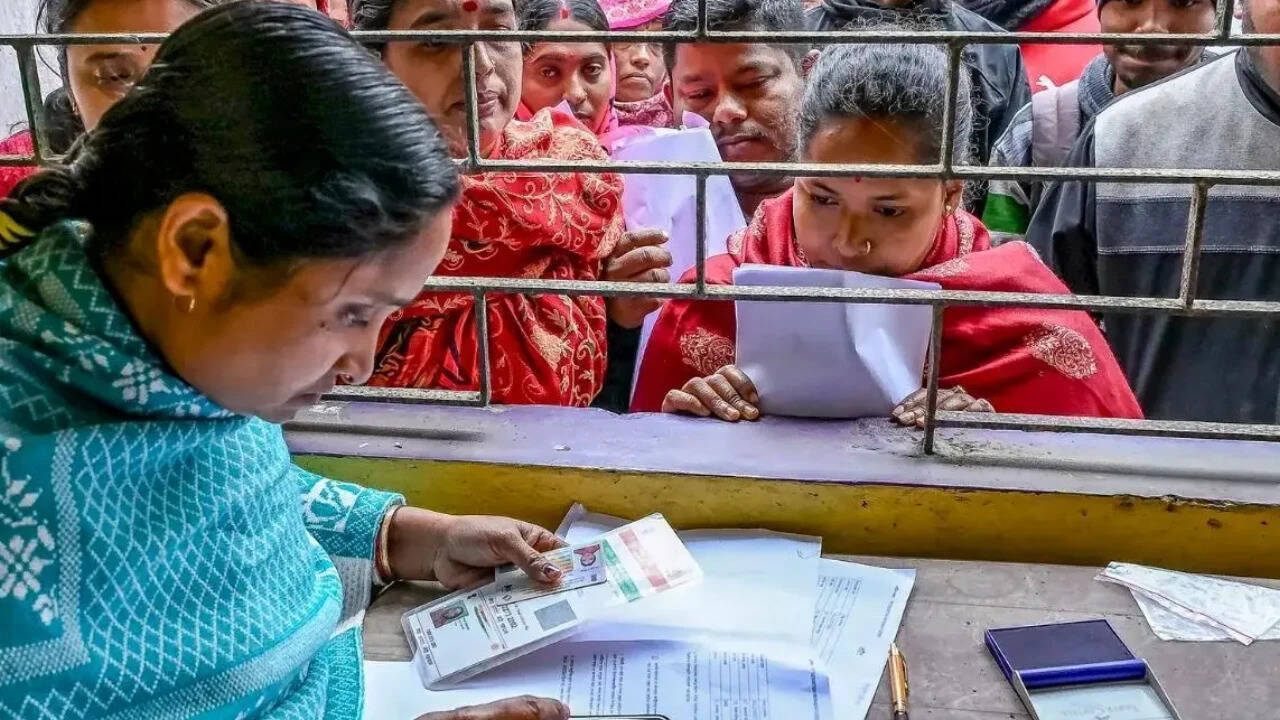
During his visits to local villages, Subrata Thakur addressed the growing concerns regarding the CAA application portal and the documents needed to prove one's history. Many people in the Matua community are worried that if they apply for citizenship under the new law, they might be admitting they were living in India illegally. There is also a fear that if their application is rejected, they could lose the rights they already have, such as the right to vote or own land. Thakur told the people that these fears are being spread by political rivals and that the minor troubles they face now will lead to a better future.
Important Numbers and Facts
The Matua community makes up a large part of the population in districts like North 24 Parganas and Nadia. They are a group of Hindu refugees who came to India from what is now Bangladesh. For years, they have demanded a law that gives them permanent citizenship without the need for complex old documents. The CAA, passed in 2019 but only recently put into action with specific rules in 2024, aims to do exactly that. However, the requirement to provide proof of entry into India before December 31, 2014, remains a difficult task for many families who arrived with very little.
Background and Context
To understand why this matters, one must look at the history of the Matua sect. Founded by Harichand Thakur and expanded by Guruchand Thakur, the community has always sought social equality and legal recognition. After the partition of India and the later war in 1971, many Matuas moved to West Bengal. While they have lived here for a long time, many lack the formal papers to prove they are Indian citizens. The BJP government promised that the CAA would fix this by allowing them to apply for citizenship based on their religious identity and their history of moving to India to escape trouble. The current debate is about whether the new rules make this process easy or if they create more traps for the poor.
Public or Industry Reaction
The reaction to Thakur’s defense has been mixed. Supporters of the BJP believe that the "cleaning the house" metaphor is accurate and that the community should be patient while the government sorts out the details. They see the CAA as a historic win. On the other hand, the Trinamool Congress (TMC) and other local leaders have been very critical. They argue that the CAA is a "trap" and that the Matuas are already citizens because they have voter cards and Aadhaar cards. These critics say that the "broken glasses" Thakur mentioned are actually the lives and security of thousands of people being put at risk by unnecessary new laws.
What This Means Going Forward
In the coming months, the success of the CAA will depend on how many people actually receive citizenship certificates. If the process is smooth and people see their neighbors getting legal papers without any trouble, the fear will likely go away. However, if the "broken glasses" turn into a larger mess—such as people being left in a legal vacuum—it could lead to a loss of faith in the leadership. The government will need to simplify the application process and provide better help at the local level to ensure that the "cleaning" does not cause more harm than good. The political future of the region depends heavily on whether the Matua community feels safe or threatened by these changes.
Final Take
The debate over the CAA in the Matua heartland is about more than just paperwork; it is about the identity and safety of a community that has been searching for a permanent home for generations. Subrata Thakur’s defense highlights the government's view that temporary struggles are worth the long-term benefit of legal certainty. Whether the community agrees with this view will be seen in how they respond to the application process and how they vote in the next election. For now, the focus remains on making sure that the "house cleaning" leads to a more secure home for everyone involved.
Frequently Asked Questions
What is the Matua community?
The Matuas are a group of Hindu refugees who moved to India from East Pakistan (now Bangladesh). They are a significant social and political group in West Bengal, known for their strong community bonds and specific religious traditions.
Why are people worried about the CAA application?
Many people fear that applying for citizenship under the CAA requires them to prove they were not citizens before. They worry that if they lack the right documents, they could lose their current rights or be labeled as illegal immigrants.
What did Subrata Thakur mean by "cleaning the house"?
He used this phrase to explain that when a government tries to fix a big, old problem (like citizenship status), there will be some small mistakes or difficulties (the "broken glasses") along the way, but the end result will be a better situation.



