
Summary
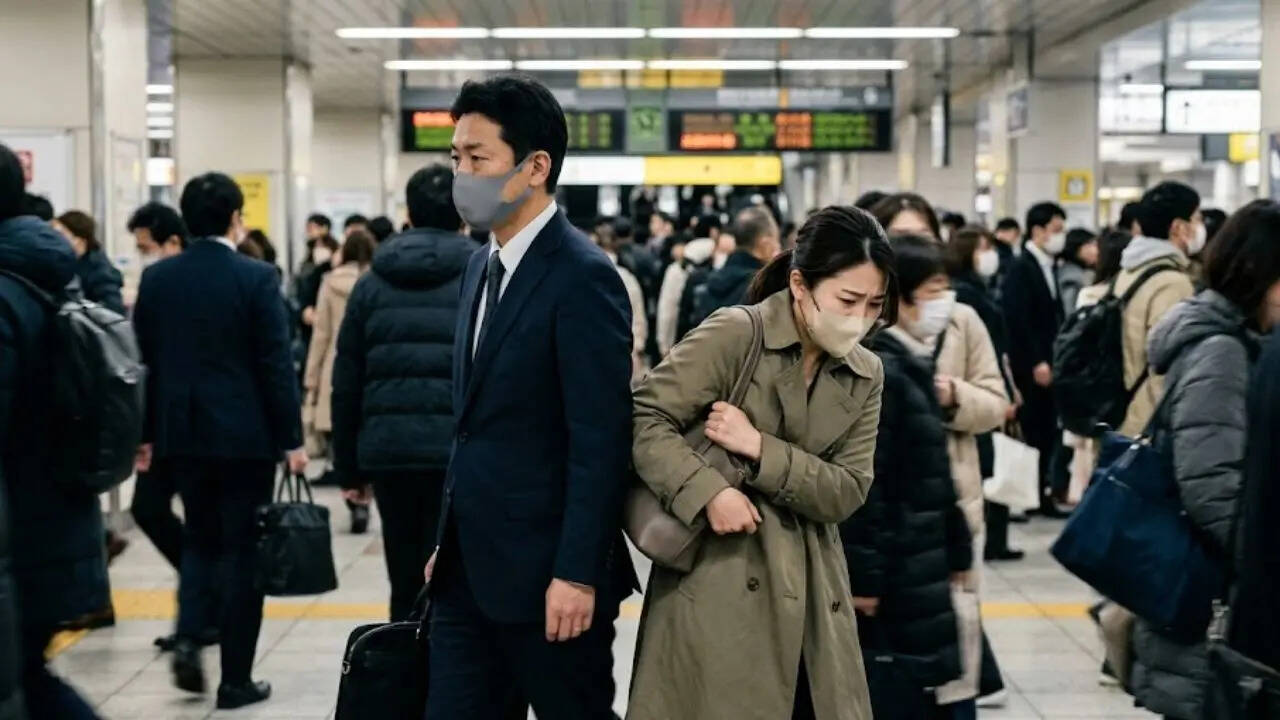
In the busy train stations of Tokyo, a disturbing trend known as "Butsukari Otoko" has become a serious concern for many residents. The term translates to "bumping men," referring to individuals who intentionally slam their bodies into women or smaller people in crowded areas. While these incidents may look like accidents at first glance, they are often deliberate acts of harassment. This behavior has sparked a wide conversation about public safety, gender-based violence, and the daily stress of commuting in one of the world's most populated cities.
Main Impact
The primary impact of this trend is a growing sense of fear and anxiety among women who use public transport. For many, a simple walk through a station like Shinjuku or Shibuya has become a high-stress task. Victims report feeling targeted and powerless, as the attacks happen quickly and the perpetrators often disappear into the crowd immediately after. This harassment does not just cause physical pain or bruising; it creates a lasting psychological effect where people feel they must always be on guard. It changes how people move through the city, forcing many to take longer routes or avoid certain areas to stay safe.
Key Details
What Happened
The act of "Butsukari Otoko" involves a man walking directly toward a person—usually a woman—and refusing to move out of the way. In many cases, the man will actually lunge or shift his weight to ensure a hard physical impact. These men often target women who are looking at their phones, carrying bags, or walking alone. Unlike a normal accidental bump where both people apologize, these men often keep walking without looking back, or in some cases, they shout at the victim as if she were the one at fault. Viral videos captured by bystanders have shown men crossing several lanes of foot traffic just to hit a specific person.
Important Numbers and Facts
While official police data specifically for "bumping" is hard to track, social media reports and community surveys show the problem is widespread. In recent years, hundreds of videos have been shared online using the hashtag #ButsukariOtoko to document these encounters. Most incidents occur during rush hour, between 8:00 AM and 9:00 AM or 5:00 PM and 7:00 PM. Major transit hubs in Tokyo, which see millions of passengers every day, are the most common locations for these attacks. Security experts note that while physical injuries are often minor, the frequency of the events suggests a systemic issue rather than isolated accidents.
Background and Context
Tokyo is famous for its orderly crowds and polite society, but the "Butsukari Otoko" phenomenon reveals a darker side of the city's social dynamics. Experts believe several factors contribute to this behavior. High levels of work stress and the pressure of daily life in Japan can lead some individuals to take out their frustrations on those they perceive as "weaker." There is also a deep-rooted issue regarding gender power dynamics. By targeting women, these men are often trying to assert dominance in a public space. For a long time, these incidents were dismissed as "unavoidable" due to how crowded the stations are, but the rise of smartphone cameras has made it impossible to ignore the intentional nature of the hits.
Public or Industry Reaction
The public reaction has been one of anger and a demand for better protection. Women have started sharing tips online on how to spot a "bumper" from a distance, such as looking for men who are walking with their shoulders squared or those who are not looking at their own path. Railway companies have begun to take notice, placing posters in stations that warn against intentional bumping and harassment. Some stations have increased the number of security guards on platforms. However, many critics feel that the response from the police has been too slow. Because it is difficult to prove "intent" in a crowded station, many perpetrators are never caught or punished.
What This Means Going Forward
Moving forward, there is a push for more advanced surveillance technology in train stations. AI-powered cameras that can detect aggressive walking patterns or sudden physical impacts are being discussed as a possible solution. There is also a growing movement to encourage bystanders to speak up when they see an incident happen. Education is another key step; social advocates argue that the culture needs to change so that this type of behavior is seen as a crime rather than a nuisance. If the legal system begins to treat these bumps as physical assault, it could serve as a stronger deterrent for those who currently feel they can get away with it.
Final Take
The "Butsukari Otoko" issue is a reminder that public safety is about more than just preventing major crimes; it is about ensuring everyone can move through their city without fear of being targeted. While Tokyo remains one of the safest cities in the world, the persistence of this harassment shows that there is still much work to be done. Recognizing these acts as intentional harassment is the first step toward making the streets and stations truly safe for everyone, regardless of their size or gender.
Frequently Asked Questions
What exactly is a Butsukari Otoko?
It refers to a man who intentionally bumps into or slams his shoulder into women or smaller people in crowded public places, especially in Tokyo's train stations.
Is intentional bumping illegal in Japan?
Yes, it can be classified as assault or harassment under Japanese law. However, it is often difficult to prosecute because the perpetrator usually flees quickly and it is hard to prove the act was not an accident.
What should I do if I am bumped intentionally?
If it is safe to do so, try to alert station staff or security immediately. If there are witnesses or if you can safely record the individual, that evidence can help the police, though your personal safety should always come first.

